



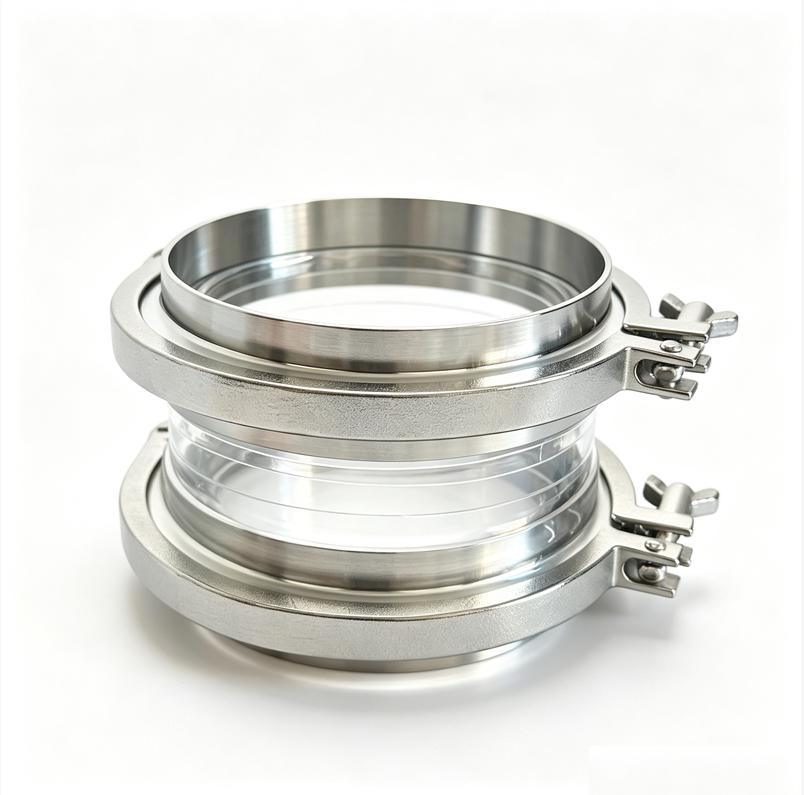
Quick-Clamp TPU Flexible Connectors: Leak-Proof Engineering for Powder Systems
Quick-Clamp TPU Flexible Connectors: Leak-Proof Engineering for Powder Systems
In high-throughput bulk solids handling, pharmaceutical processing, and food manufacturing, traditional canvas sleeves and worm-gear hose clamps are a frequent cause of dust leaks, product contamination, and costly maintenance downtime. Uneven clamping force, material degradation, and tedious cleaning cycles directly lower Overall Equipment Effectiveness (OEE).
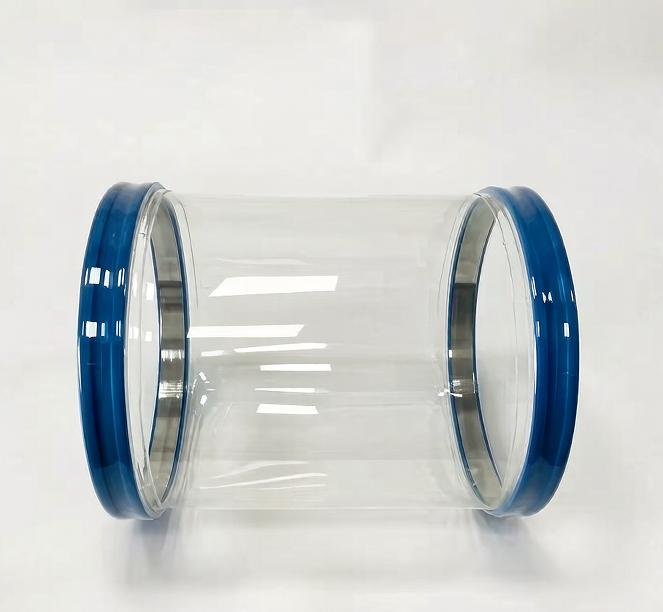
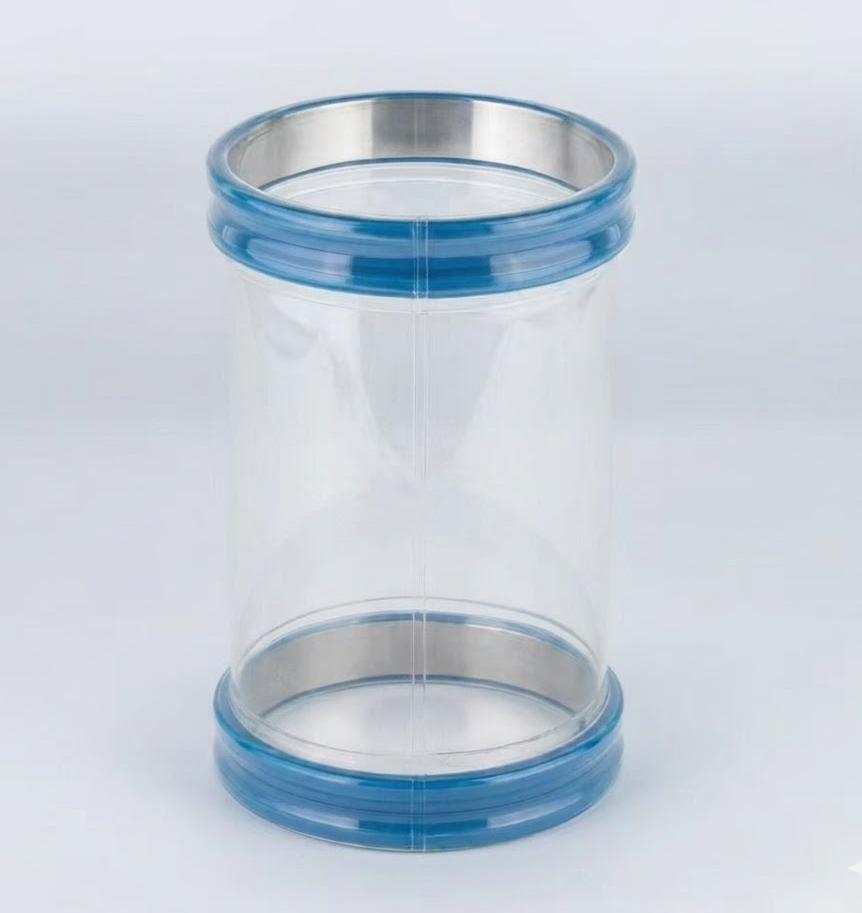
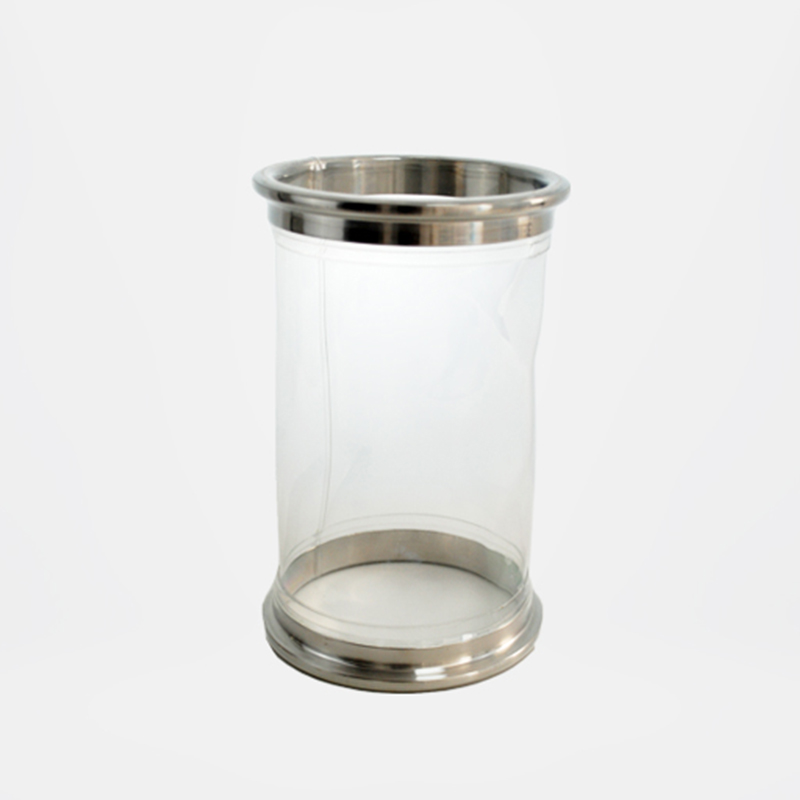
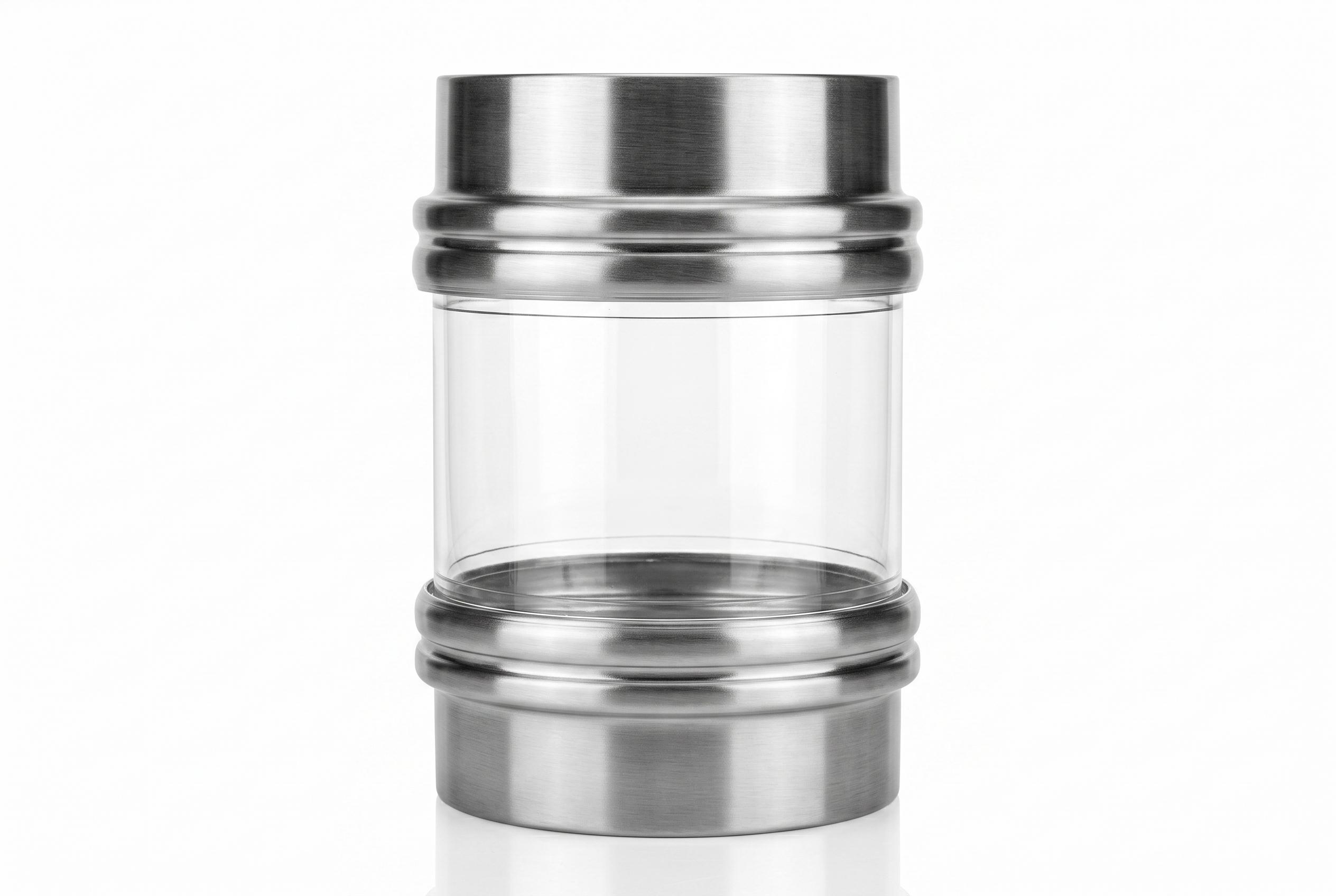
SOSHH® Quick-Clamp TPU Flexible Connectors replace outdated hose clamp connections with a precision-molded, tool-free sealing system. Engineered from high-molecular ether-based TPU, our flexible joints deliver 100% dust-tight containment, rapid CIP washdown capability, and multi-axis vibration absorption.
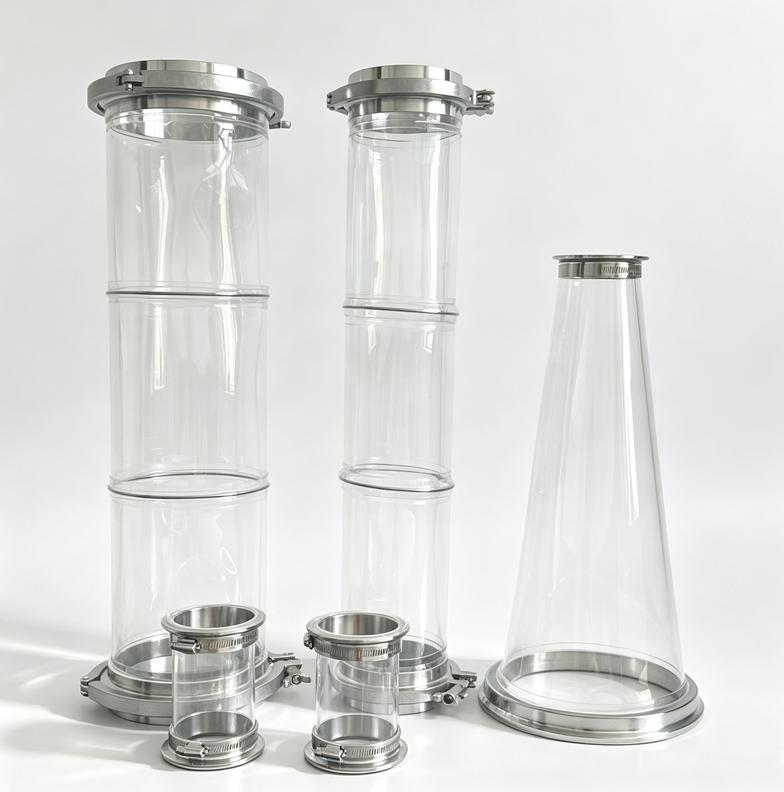
Key Engineering Principles: Fixing Traditional Connection Flaws
Modern plant design engineers and maintenance technicians face continuous challenges from thermal expansion, mechanical vibration, and strict hygiene regulations. SOSHH® quick-clamp systems address these pain points directly:
- 1. Uniform 360° Sealing Force: Traditional worm clamps apply localized pressure, creating gaps and pinch points. Our heavy-duty lever/cam-lock clamp mechanism distributes uniform compression around the entire circumference, preventing dust leakage in both positive and negative pressure environments.
- 2. Self-Alignment & Motion Compensation: Vibrating sifters, screeners, and loss-in-weight feeders subject connectors to constant multi-axis displacement. SOSHH® flexible TPU sleeves absorb lateral and vertical movement (up to ±10 mm / 0.4 inches) without transmitting stress to weighing load cells.
- 3. Crevice-Free Sanitary Interior: Engineered for Clean-In-Place (CIP) and Sterilize-In-Place (SIP) routines, the internal joint profile eliminates "dead zones" where powder can accumulate, preventing cross-contamination during product batch changeovers.
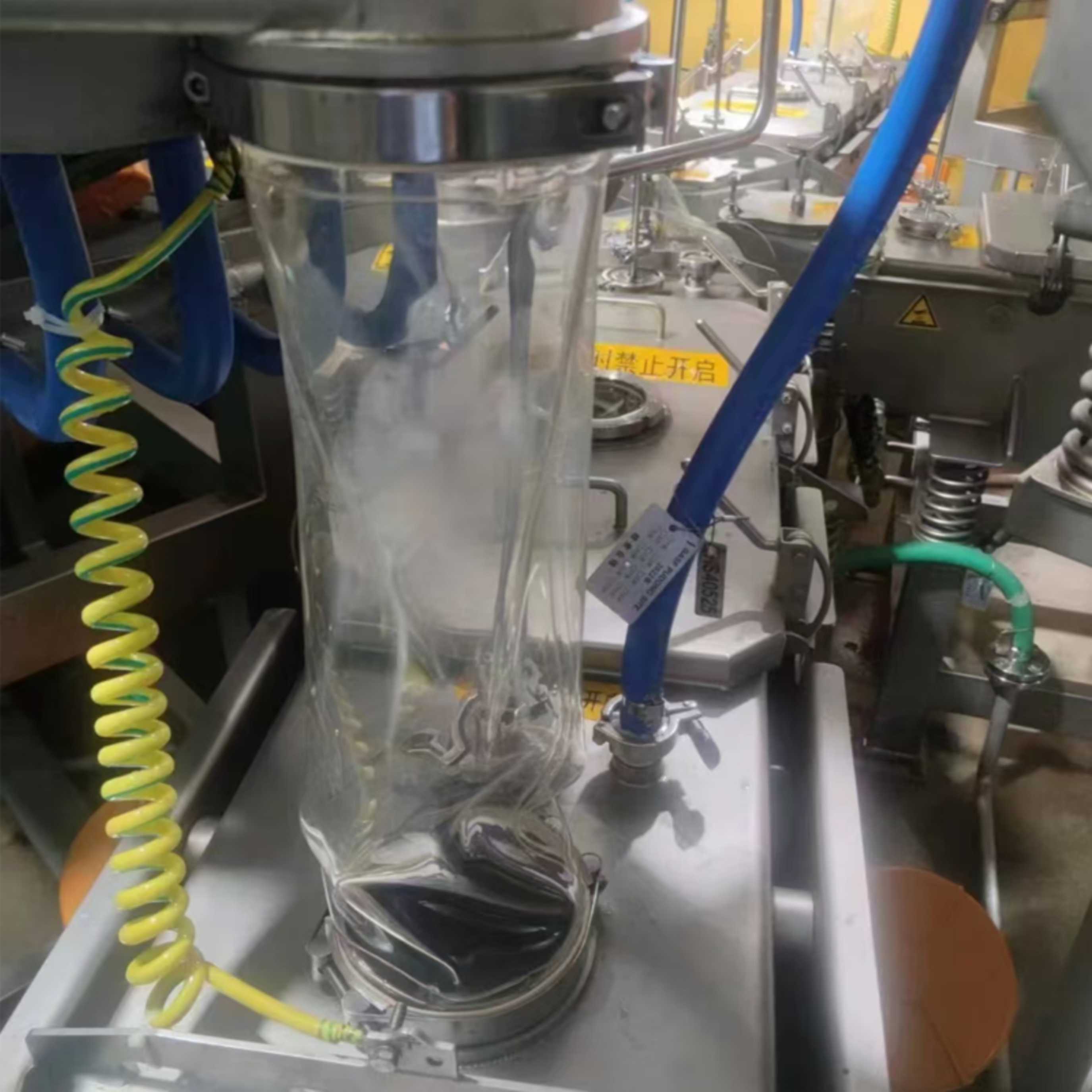
soshh-quick-clamp-connector-industrial-powder-vibrating-sifter
Technical Specifications: TPU vs. Traditional Rubber & PVC
Selecting the correct flexible connector material is critical for plant safety and MRO cost control. SOSHH® high-grade ether-based TPU outperforms standard NBR rubber and PVC across all major performance metrics:
| Engineering Property | SOSHH® Ether-Based TPU | Standard NBR Rubber | Industrial PVC |
| Abrasion Loss (DIN 53516) | < 30 mm³ (5x More Durable) | 150 mm³ | 250 mm³ |
| Operating Temperature | -40°C to +90°C (-40°F to +194°F) | -20°C to +80°C | -10°C to +60°C |
| Food Safety Compliance | FDA 21 CFR 177.2600 & EC 1935/2004 | Uncertain / Grade-Dependent | Contains Plasticizers (Risk) |
| Optical Transparency | 100% Clear (Visual Flow Inspection) | Opaque Black | Semi-Clear (Yellows Quickly) |
| Explosion Safety (ATEX) | Anti-Static Option (Rs < 10⁹ Ω) | Non-Conductive | Static-Building Hazard |
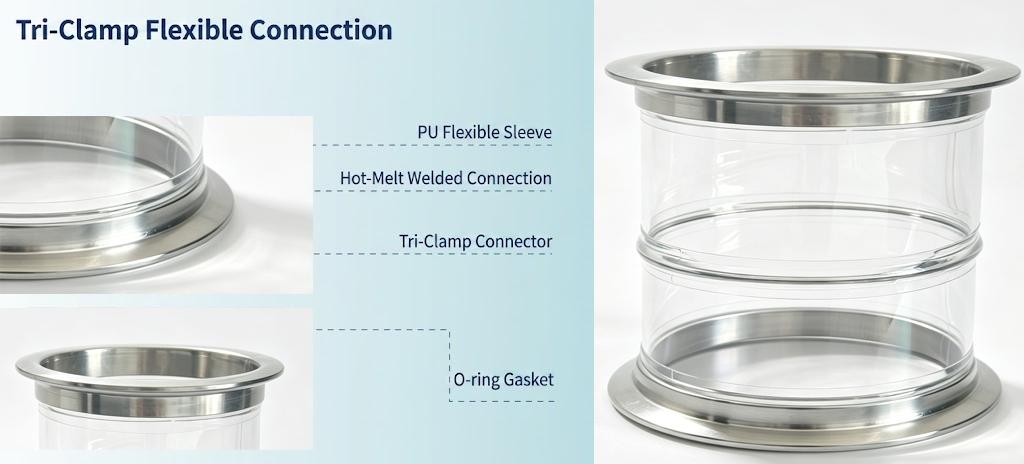
soshh-tri-clamp-flexible-sleeve-assembly-heavy-duty-clamp
📐 Engineering Measurement & Specification Sheet Downloads
We eliminate engineering bottlenecks for OEM machinery designers and plant maintenance engineers. Access our standardized 2D dimensional measurement guides, 3D STEP models, and full technical spec sheets directly from our Homepage before hardware fabrication starts.
- Download via Homepage Link: Click the "Download Spec Sheet" link located in the top navigation bar of our Homepage to download official dimensional measurement sheets and CAD templates.
- Direct Engineering Support: Fill in your spigot parameters (Upper/Lower Pipe O.D., Height Gap, Center Offset) and email your drawings directly to amin@soshh.com for instant 3D alignment validation and custom quotes within 12 hours.
🏭 Source Manufacturer: Quzhou Hub & 48-Hour Prototyping
All SOSHH® flexible connectors are designed and precision-manufactured at our state-of-the-art facility in Quzhou City, Zhejiang Province, China. As a direct manufacturer, we provide complete batch-to-batch material traceability, certificate documentation, and rapid prototyping for non-standard equipment requirements.
Emergency Line-Down Service: Need an urgent custom replacement for a torn sleeve? Our Quzhou facility offers 48-hour rapid custom manufacturing with express worldwide shipping via DHL, FedEx, or UPS.
Technical Performance Matrix: SOSHH® TPU vs. Traditional NBR Rubber & PVC
| Engineering Property | SOSHH® Ether-Based TPU | Standard NBR Rubber | Industrial PVC |
|---|---|---|---|
| Base Material Type | High-Molecular Ether-Based TPU | NBR / Rubber Compound | Vinyl Polymer |
| Abrasion Loss (DIN 53516) | < 30 mm³ (Ultra-Durable) | 120 – 150 mm³ | 200 – 250 mm³ |
| Tensile Strength | 40 MPa (5,800 PSI) | 12 – 15 MPa | 10 – 18 MPa |
| Elongation at Break | 550% – 600% | 300% – 400% | 200% – 300% |
| Operating Temperature | -20°C to +80°C | ||
| Food Safety Compliance | FDA 21 CFR 177.2600 & EC 1935/2004 | Grade-Dependent / Uncertain | Plasticizer Leaching Risk |
| CIP / SIP Chemical Resistance | Excellent (Resists Acid, Alkali, & Peracetic Acid) | Poor (Degrades under Oxidizers) | Poor (Hardens & Cracks) |
| Optical Transparency | 100% Clear (Instant Flow Inspection) | Opaque Black | Semi-Clear (Yellows Quickly) |
| ATEX Static Safety | Optional Anti-Static Grade (Rs < 10⁹ Ω) | Static Accumulation Hazard | Non-Conductive / Static Hazard |
| Expected Service Life | 12 – 24 Months (5x Rubber Lifespan) | 2 – 4 Months | 1 – 3 Months |
| Annual TCO Impact | Saves 60% in Annual MRO Expenses | High Replacement Downtime Costs | High Contamination & Leak Risks |
How to Order & Request a Custom Quote
"To receive an official factory quotation, 3D CAD confirmation, or a free material sample swatch kit, please follow these steps:"
"Step 1: Download our 2D Measurement Guide or measure your pipe Outer Diameter (O.D.) in Metric (mm) or Imperial (Inches)."
"Step 2: Note your operating conditions (Temperature, Chemical Exposure, Motion Displacement, ATEX Anti-Static Requirements)."
"Step 3: Send your specifications directly to our engineering team at amin@soshh.com. Formal quotes and 3D CAD drawings are returned within 12 hours."
"Need Material Verification First? Contact us to request a 'Free Food-Grade PU Swatch & Sample Kit' delivered directly to your plant."
FAQ: Procurement & Maintenance Insights
Q: What is the difference between standard TC and LightTC Quick-Clamps?
A: Standard Heavy-Duty TC connectors feature a rigid stainless flange suited for high-vibration applications (e.g., sifters, ball mills). LightTC uses an ultra-lightweight clamp designed for low-pressure pharmaceutical lines and rapid CIP washdown.
Q: Can SOSHH® supply custom non-standard sizes or eccentric reducers?
A: Yes. We engineer square-to-round transitions, eccentric reducers, and custom lengths without expensive tooling fees. Prototyping is completed within 48 hours at our Quzhou hub.
Q: Are SOSHH® connectors certified for explosive dust zones?
A: Yes. We offer anti-static TPUAS grades (Rs < 10⁹ Ω) certified for ATEX Zone 20, 21, and 22 hazardous environments.
Explore Related Industrial Flexible Solutions:
Sanitary SF Internal Clamp Flexible Connectors — Tool-free 30-second snap-in installation.
HC Hose Clamp Flexible Sleeves — Economical sleeves for standard pipe O.D. connections.
SOSHH® — Engineering Flexible Pipeline Solutions
Related Posts