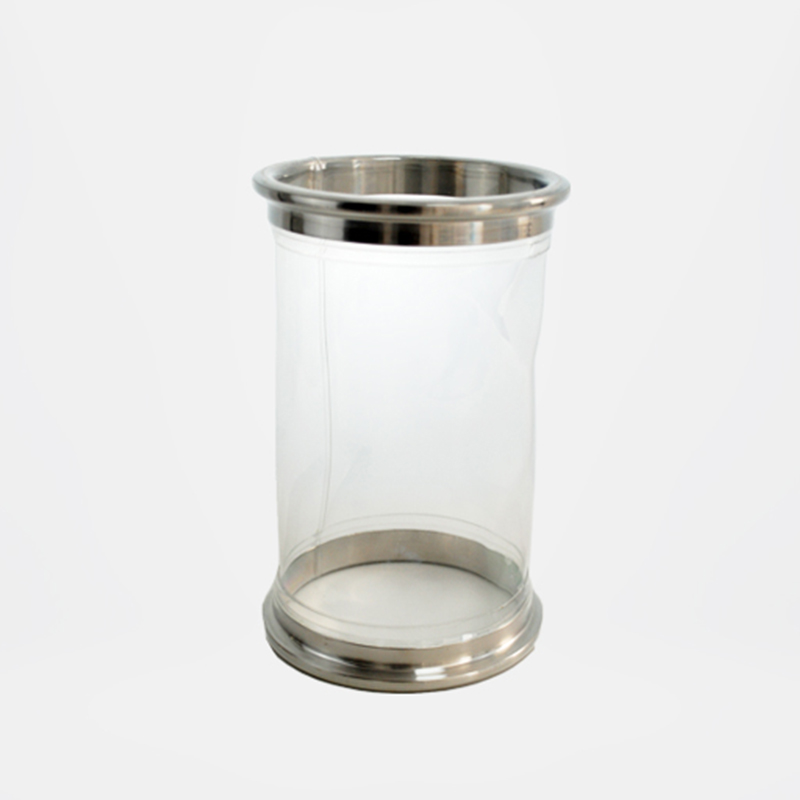



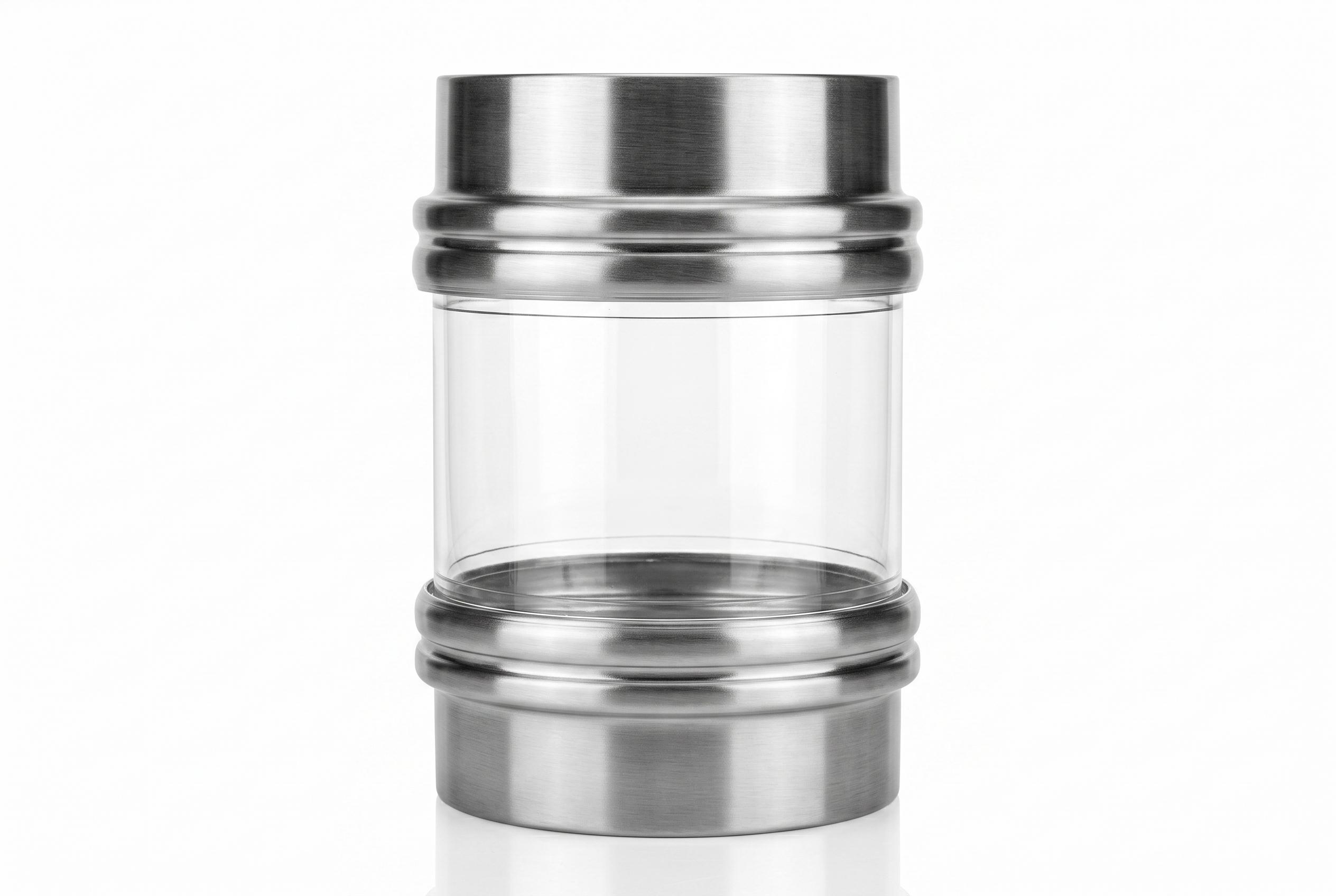
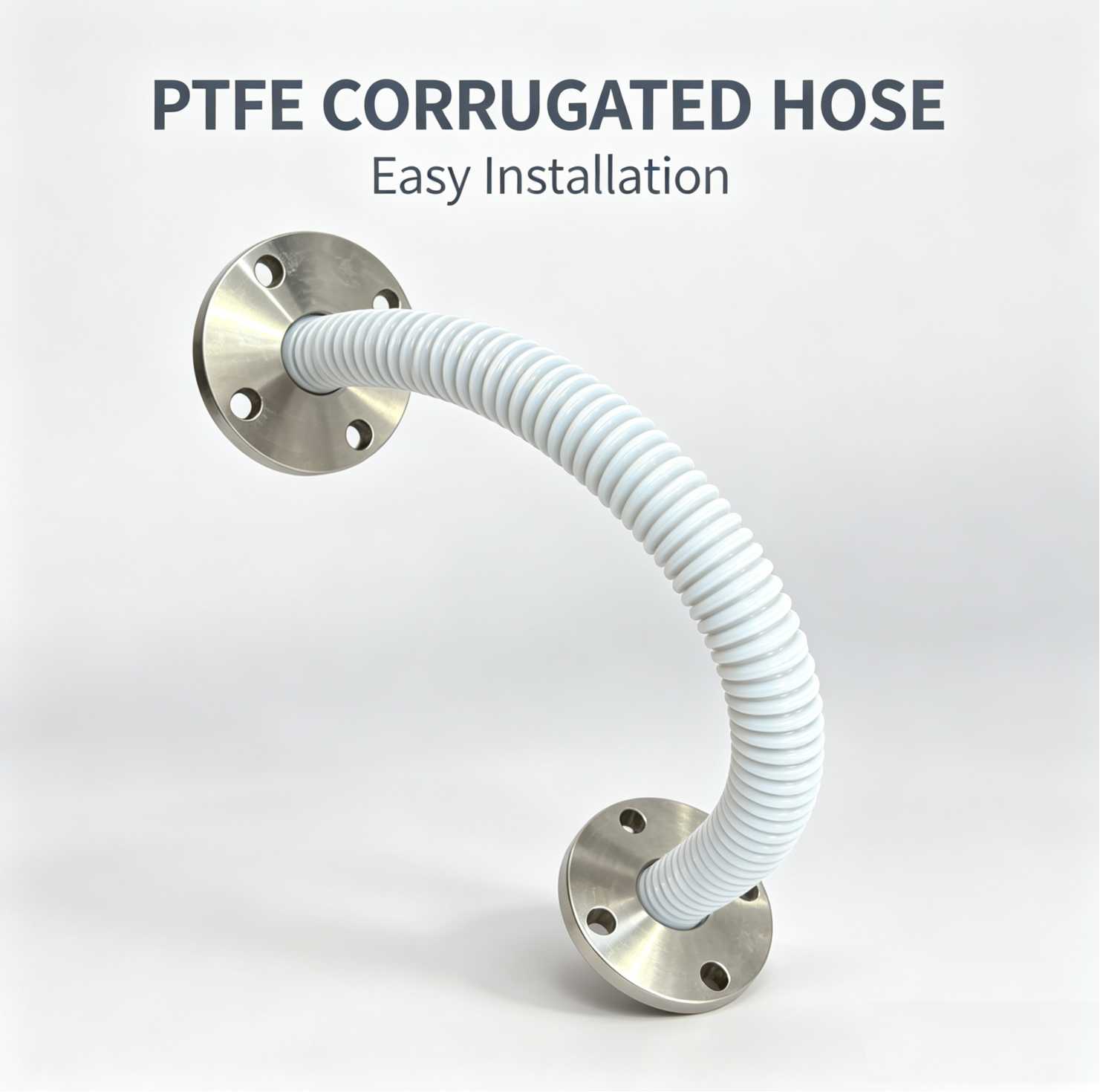
Optimizing Load Cell Accuracy: The Ultimate Guide to Weighing Tank Flexible Connectors
Prevent load cell interference on your weighing batching tanks. Learn how specifying the correct length, material (PU or PTFE), and design of flexible expansion joints eliminates tension, absorbs vibration, and prevents costly weighing errors in industrial powder handling systems.
READ MORE...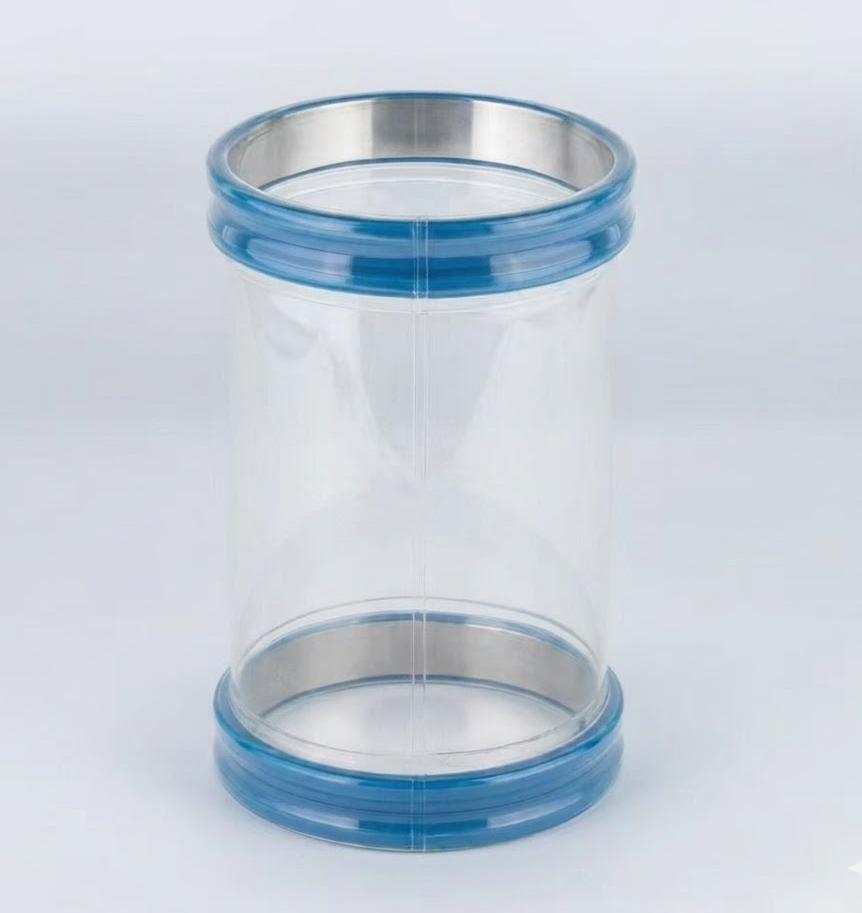
Eliminating Dust Leaks: Anti-Static PU Connectors for Vibratory Sifters
Stop powder leakage and ATEX hazards instantly. Discover BFM-equivalent, anti-static PU flexible connectors engineered specifically for high-frequency vibratory sifters, ensuring zero leakage and combustible dust safety.
READ MORE...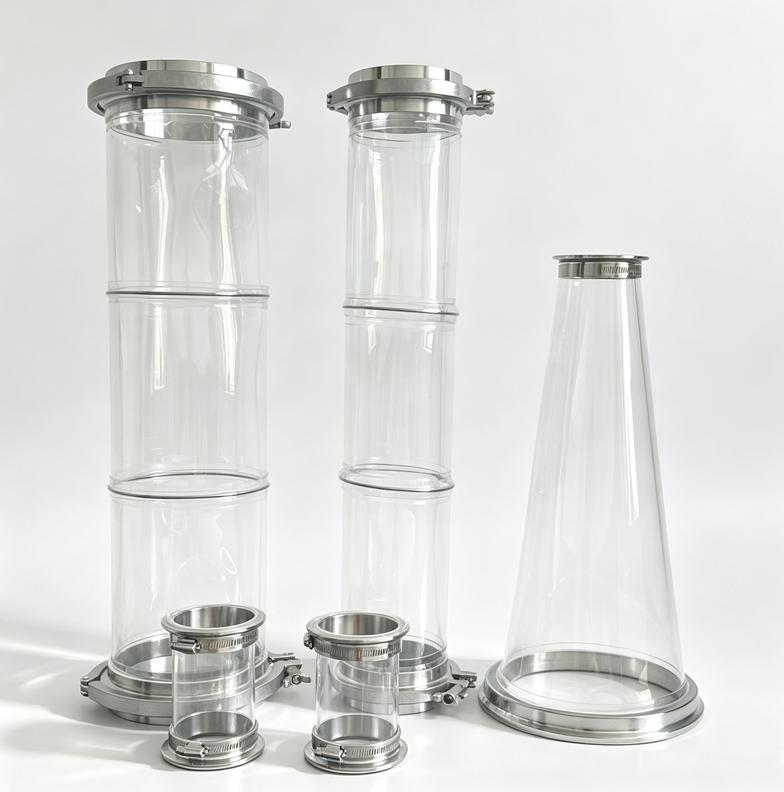
Sourcing Custom PU Flexible Connectors in Thailand: A Distributor’s Guide to Complex Sizing & Rolls
Are you a powder equipment distributor in Thailand or SE Asia? Discover SOSHH's one-stop solution for custom I.D. PU continuous rolls and complex square-to-round bespoke connectors.
READ MORE...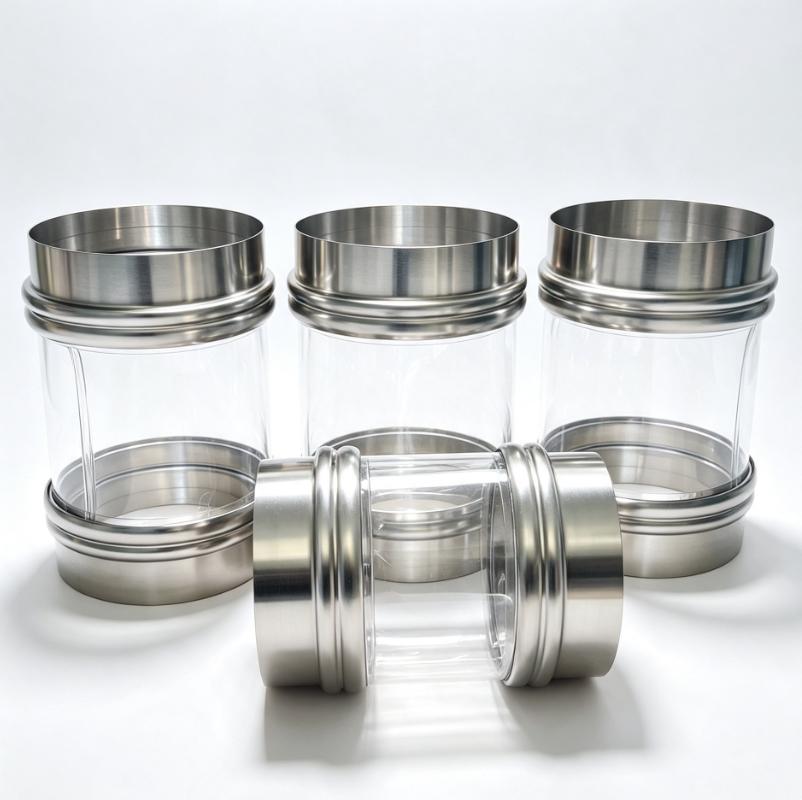
Specifying BFM-Equivalent Flexible Connectors for Combustible Starch Processing
Looking for a BFM-type flexible connector for flash dryers? Discover custom-sized, anti-static, FDA-compliant snap-fit PU connectors tailored for combustible starch powder processing up to 120°C.
READ MORE...
How to Eliminate Load Cell Drift on Loss-in-Weight Feeders: The 80mm Installation Rule
Stop loss-in-weight scale drift and dosing errors. Learn how zero-stiffness TPU connectors and the 80mm spigot gap rule isolate load cells from vibration.
READ MORE...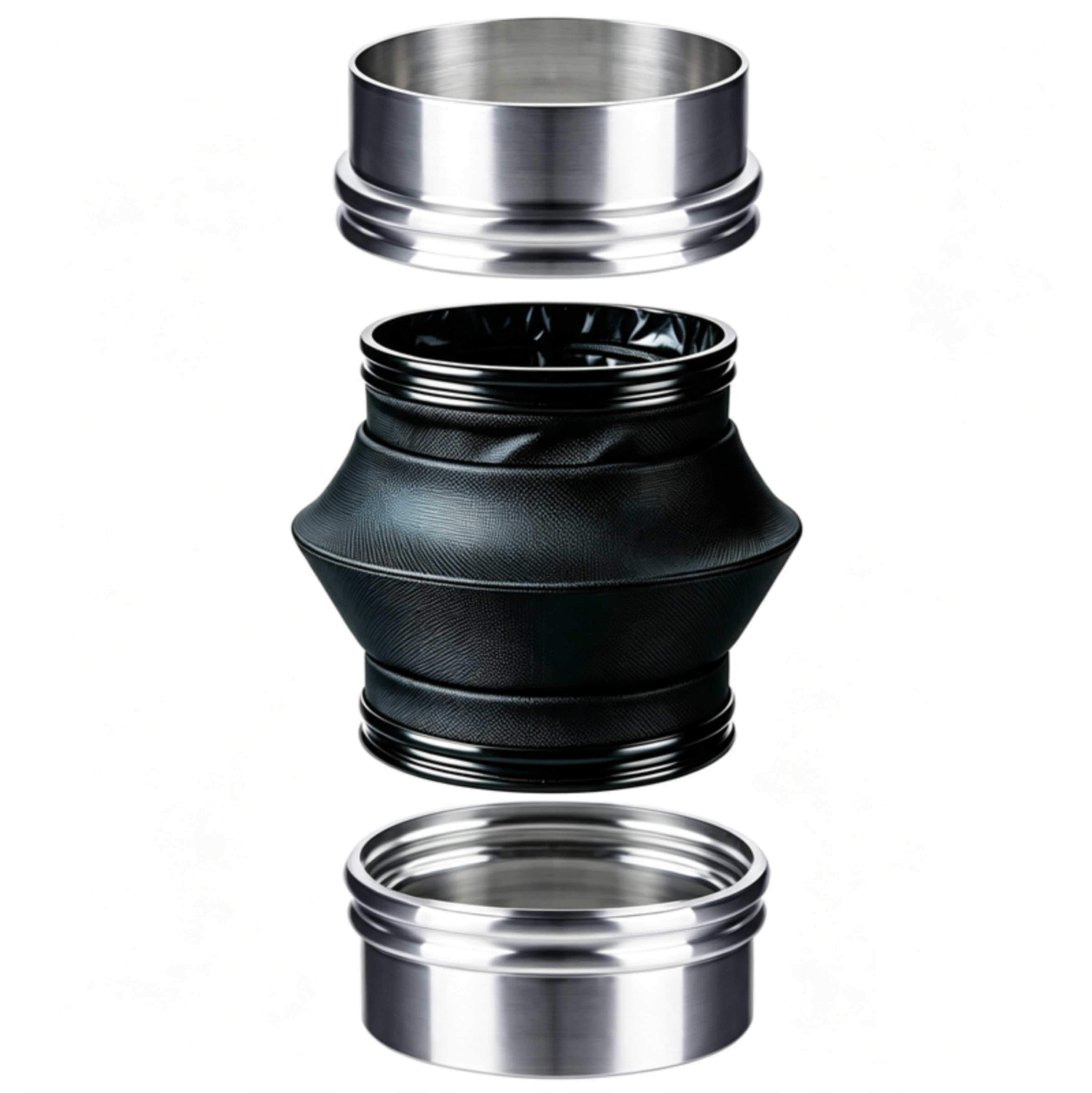
How to Eliminate Weighing Drift in Loss-in-Weight Feeders
Quick technical guide to solving scale drift, eliminating connector spring effects, and ensuring precision powder batching under vacuum conditions.
READ MORE...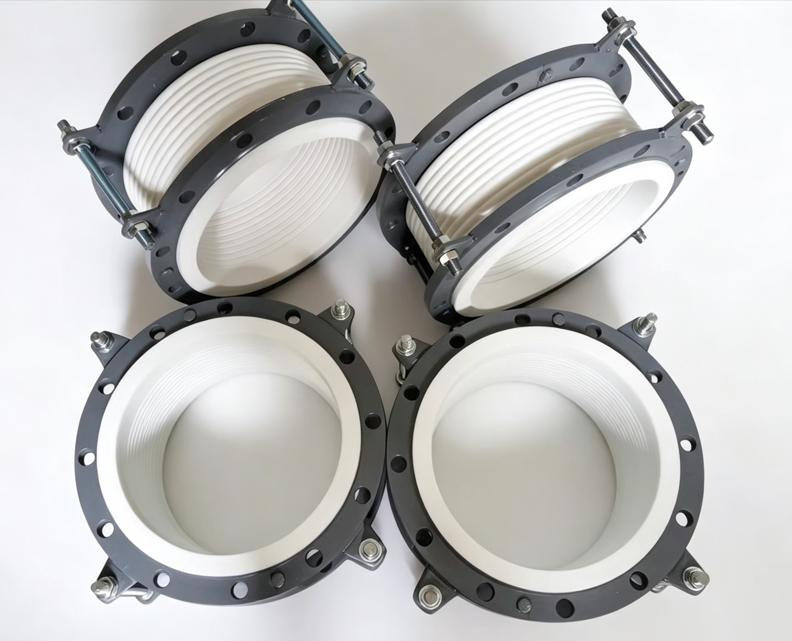
Heavy-Duty PTFE Corrugated Bellows for Precision Battery Weighing (Over 12,000 Pa)
Why do 0.5mm flat PTFE sleeves balloon out and fail under 12,000 Pa positive pressure? Explore the ultimate vibration-damping PTFE compensator and expansion soft joint for zero-metal lithium battery material dosing lines.
READ MORE...
Polyurethane Snap-In Connectors Compatible with BFM® & Seeflex® Systems | SOSHH
Looking for a reliable BFM fitting alternative? Discover high-performance Polyurethane (PU) flexible connectors with tool-free snap-in technology. FDA compliant, ATEX rated, and custom-sized to eliminate powder leakage in engineering environments.
READ MORE...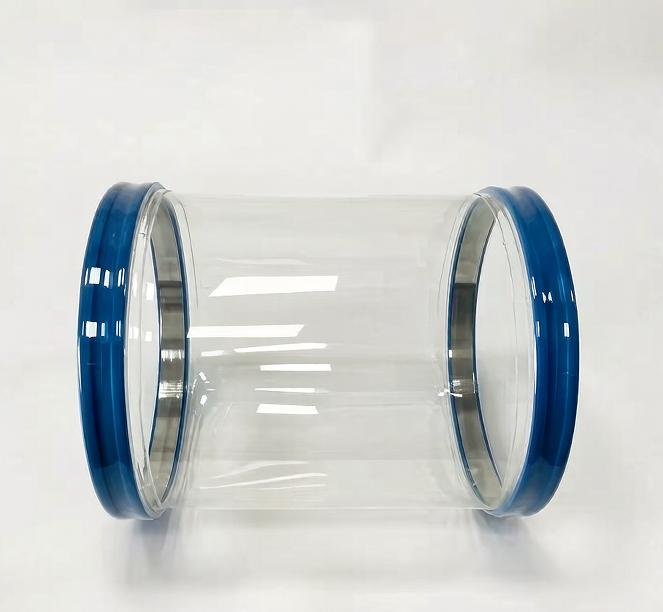
Starch Plant Explosion-Proof Upgrades: Selecting 120°C Anti-Static PU Snap-Fit Flexible Connectors
For starch processing plants, safety and hygiene are paramount. When dealing with combustible dust environments—specifically around flash dryers and pregel starch drying systems—standard flexible connections often fall short. They either fail to meet ATEX (anti-static) requirements, degrade under high temperatures, or leak fine powders.
READ MORE...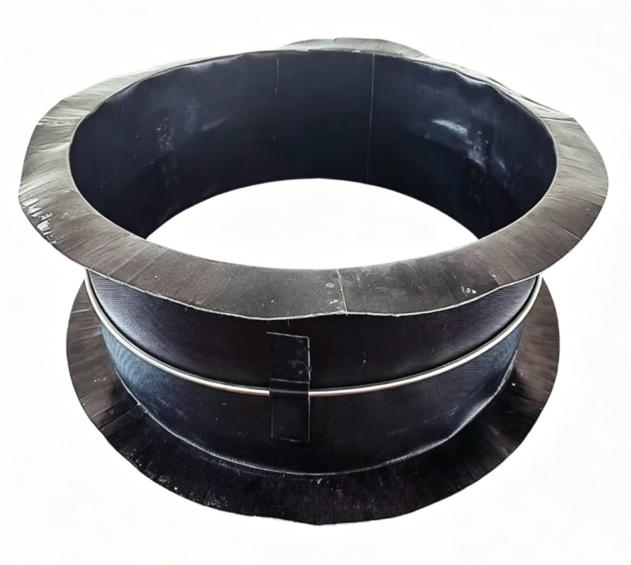
Custom PTFE Flexible Connectors: Engineering & Sourcing Guide for Chemical Lines
Struggling with severe chemical corrosion, high thermal expansion, or non-standard ductwork misalignment? Learn how custom PTFE flexible connectors, square-to-round expansion joints, and low-MOQ engineering solutions eliminate downtime and installation headaches.
READ MORE...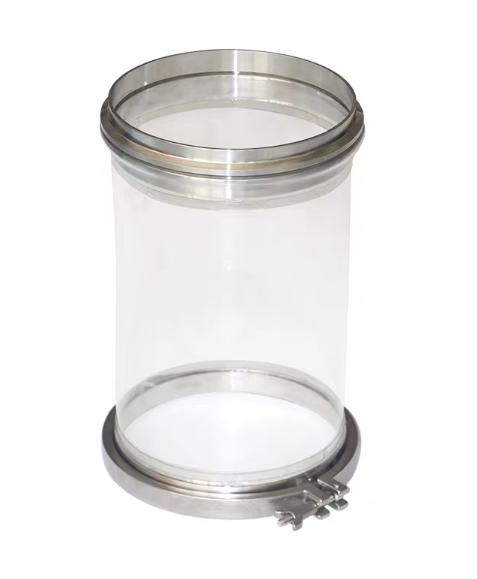
Antistatic PU Flexible Connectors for Powder Handling
To help mitigate dust explosion risks in powder handling, selecting the appropriate flexible connector is essential. For environments requiring static dissipation, specific PU connectors are available with surface resistance ranging from 10^6 to 10^9 Ohms to support ATEX compliance. For food applications, materials formulated to meet FDA 21 CFR 177.2600 & EU 10/2011 standards can be supplied. Custom snap-in designs are also available to streamline installation and maintenance.
READ MORE...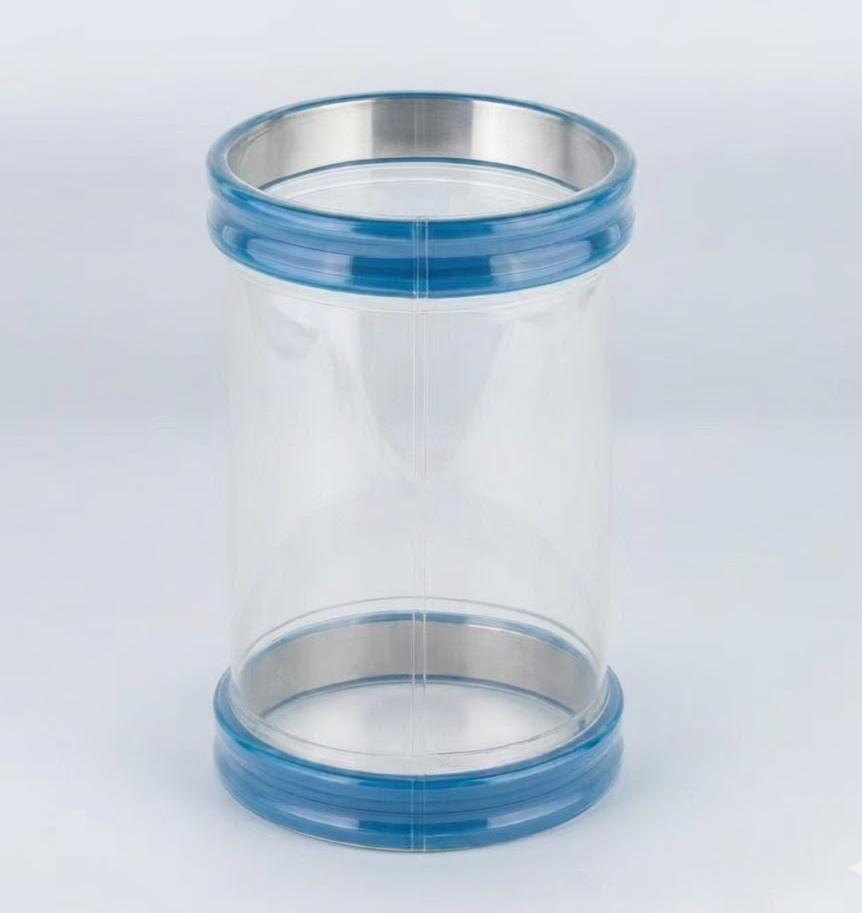
Can Powder Processing Plants Install Tool-Free SF Snap-In Connectors to Replace Hose Clamps and Achieve Dust-Tight Seals Meeting Food Safety and ATEX Standards?
Yes. Powder processing engineers facing dust leakage, cleaning downtime, and compliance hurdles in dairy, pharmaceutical APIs, or battery chemicals can replace traditional hose clamps with SOSHH® SF Internal Snap-In Connectors. This tool-free system installs in under 30 seconds, delivers 100% dust-tight sanitary sealing, and complies with FDA 21 CFR 177.2600 and ATEX Zone 20/21/22 anti-static standards.
READ MORE...
Traditional Hose Clamps vs. Tool-Free Snap-in Connectors: Why Powder Plants are Switching
Can powder processing plants replace traditional hose clamp connectors with a sealed, tool-free snap-in system to meet food safety and ATEX compliance standards?
READ MORE...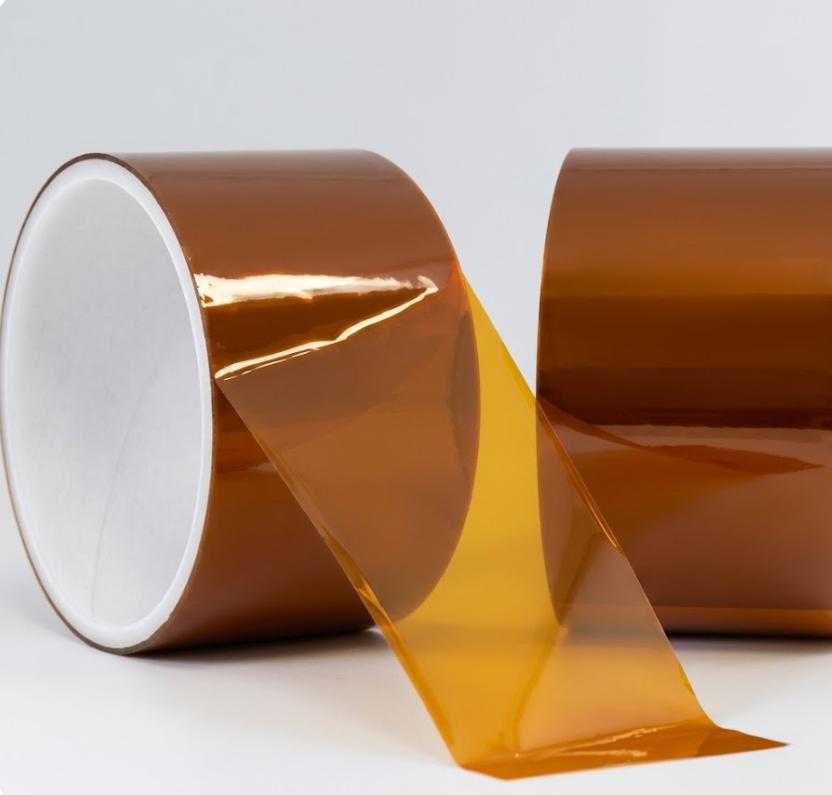
Upgrade Your Hydrogen Safety: The 10-Second Visual Leak Detection Tape
For maintenance teams and safety engineers handling hydrogen infrastructure, a micro-leak isn't just a safety hazard—it’s a massive drain on operational downtime. Traditional electronic sniffers tell you a leak exists somewhere in the room. Our Color-Changing Hydrogen (H2) Leak Detection Tape tells you exactly which valve, flange, or joint is failing, in under 10 seconds.
READ MORE...
Global Hub: Extreme Environment TPU Flexible Connectors for Middle East, SE Asia & Central Asia
When expanding bulk powder processing facilities into emerging markets, standard rubber and canvas connectors inevitably fail. From the blistering heat and static hazards of Middle Eastern petrochemical plants to the relentless humidity of Southeast Asian food processing lines, extreme climates demand a superior engineering solution. SOSHH® specializes in high-molecular ether-based TPU flexible connectors, delivering 100% dust-tight, weather-resilient powder handling for the world's most demanding industrial environments. This guide breaks down the specific regional challenges and how our precision-engineered PU joints eliminate pipeline downtime.
READ MORE...
Size Chart & Engineering Specs: Weld-on Steel Joints for Internal Clamp Flexible Connectors
Executive Summary: A 100% dust-tight seal in powder handling systems relies on accurately matching the weld-on steel joint (spigot) to your equipment. Always select the steel joint based on your pipe's exact Outer Diameter (OD). Below are the standard engineering dimensions for 50mm and 90mm height steel joints used with snap-in TPU flexible connectors.
READ MORE...
The Ultimate Guide to Choosing the Best Flexible Connector for Powder Transfer | SOSHH
Selecting the best flexible connector for powder transfer is critical for maintaining zero-dust environments, preventing cross-contamination, and protecting sensitive load cells in bulk material handling. Traditional hose clamps and fabric sleeves frequently suffer from powder leakage, sanitary dead zones, and time-consuming CIP/SIP washdowns. The SOSHH® Snap-In Polyurethane Flexible Connector system is engineered to solve these exact processing challenges for pharmaceutical, food-grade, and chemical manufacturing pipelines.
READ MORE...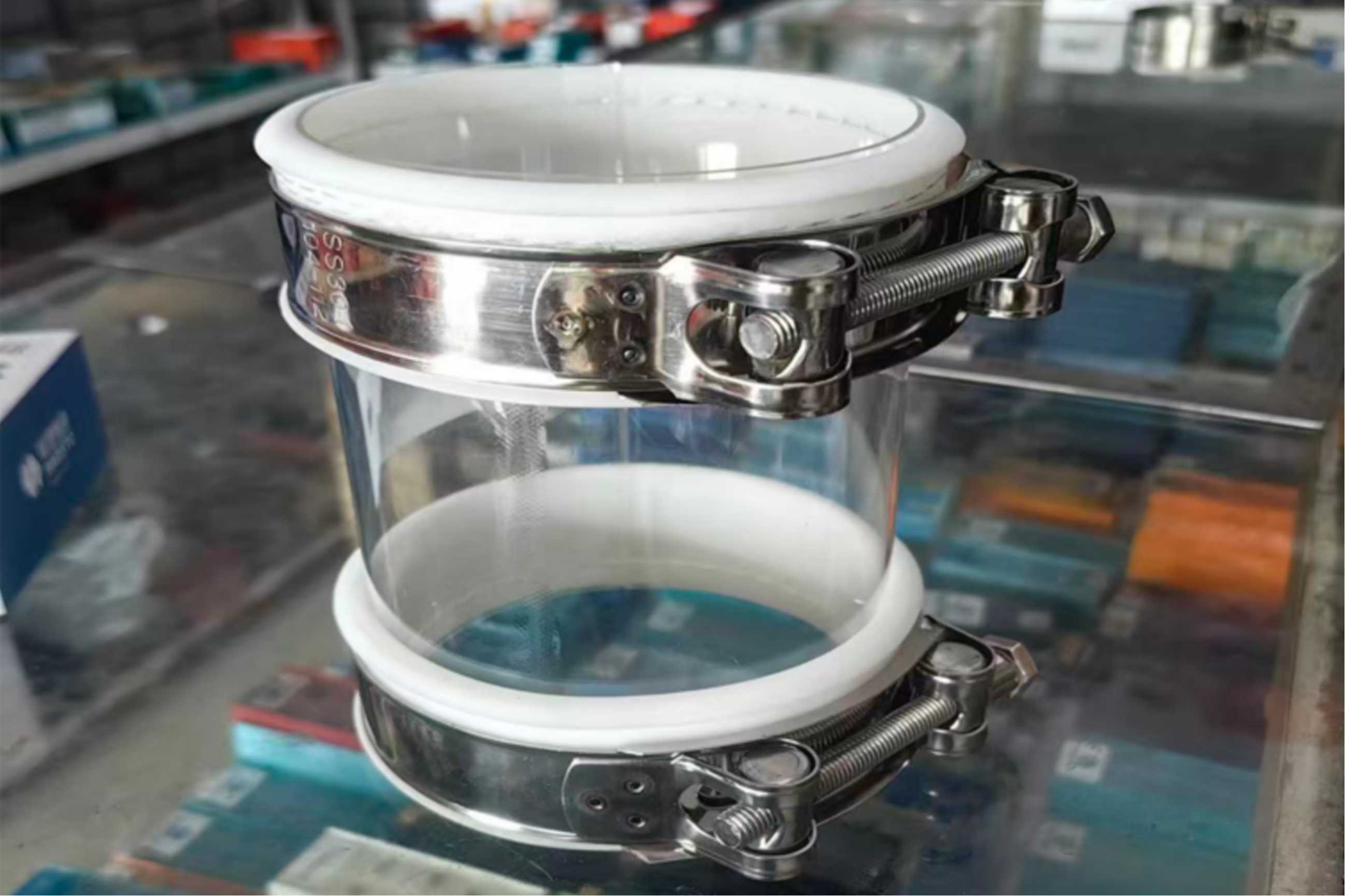
Technical Advantages of Polyurethane (PU) Soft Connections in Powder Handling Systems
In industrial powder processing—specifically within the food, pharmaceutical, and chemical sectors—the choice of flexible connectors is critical for maintaining system integrity. Polyurethane (PU/TPU) has emerged as the industry standard, surpassing traditional rubber or canvas alternatives in high-demand environments.
READ MORE...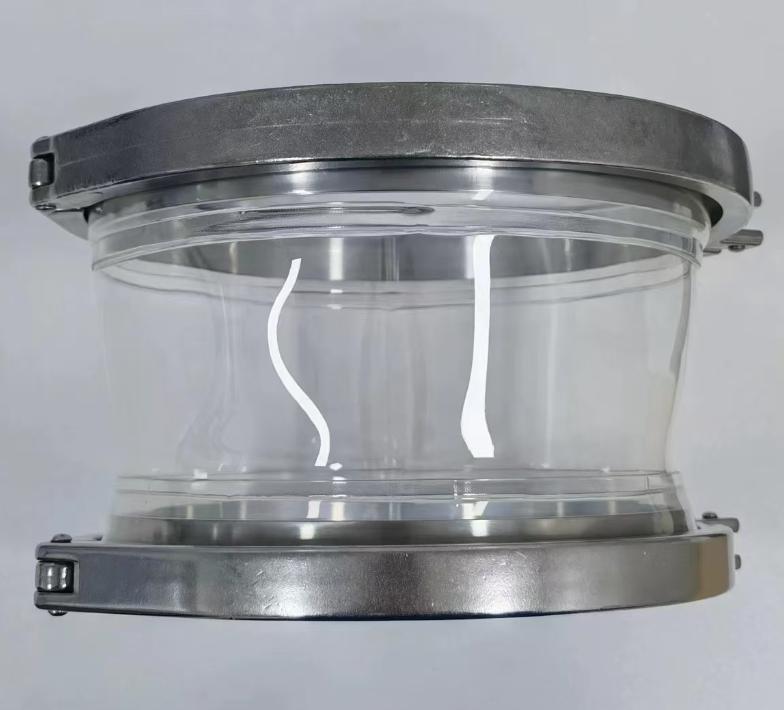
TPU vs. Silicone vs. Rubber: Choosing the Best Material for Flexible Connections
For decades, rubber and silicone were the only options for flexible piping in powder handling. However, modern processing demands—higher speeds, stricter hygiene, and longer uptime—have exposed the limitations of these legacy materials. At SOSHH, we have pioneered the use of High-Performance TPU (Thermoplastic Polyurethane) to replace outdated sleeves. Here is how TPU outperforms silicone and rubber in every critical industrial metric.
READ MORE...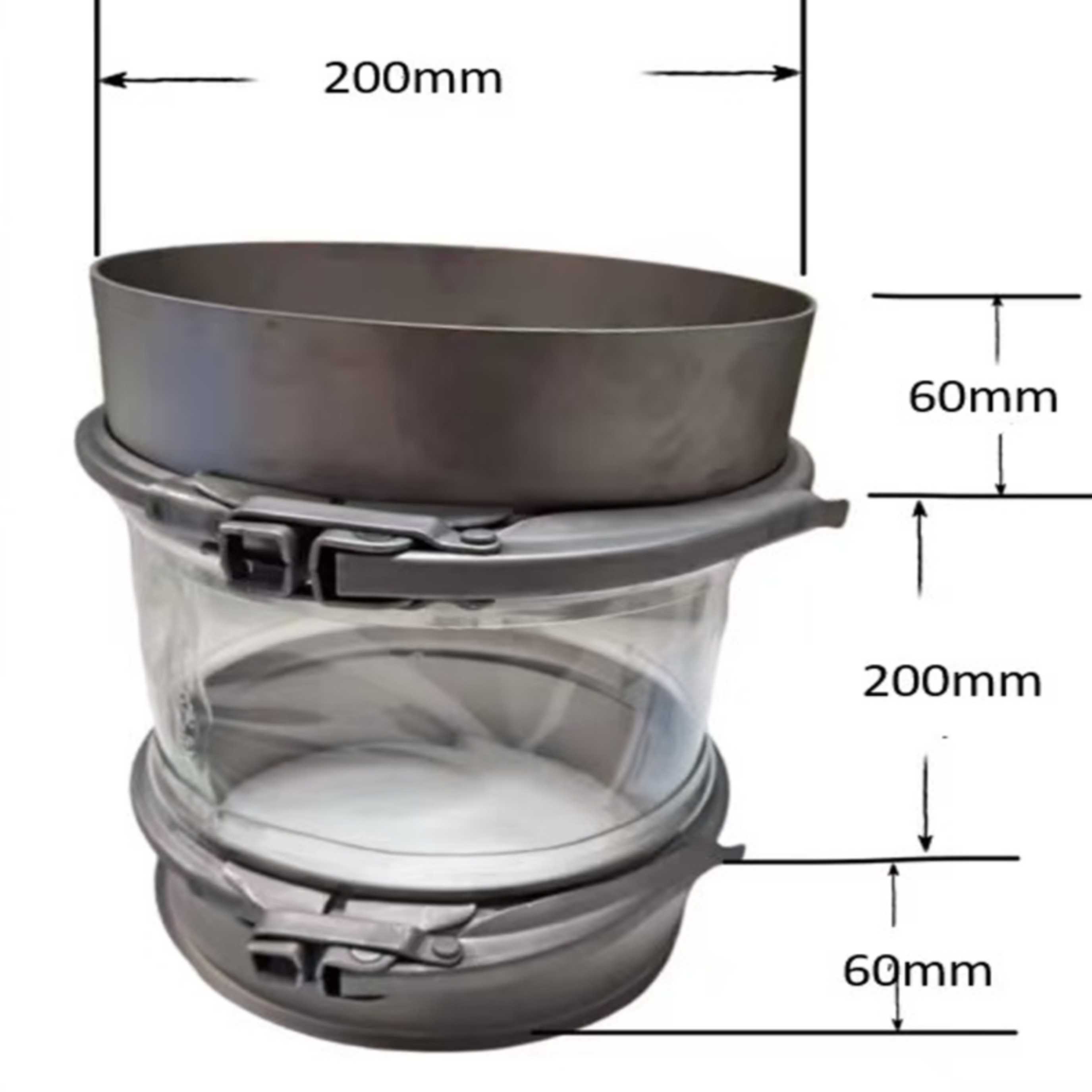
The Complete Guide to Measuring and Replacing Your Industrial Flexible Connectors
One of the most common reasons for premature connector failure is incorrect sizing. A connector that is too short will pull under tension; one that is too long will rub against itself, causing abrasion. Whether you are upgrading from old rubber sleeves to SOSHH high-performance TPU or replacing a damaged joint, accuracy is everything. This guide provides a step-by-step process to ensure a perfect, dust-tight fit every time.
READ MORE...