



Optimizing Load Cell Accuracy: The Ultimate Guide to Weighing Tank Flexible Connectors
In industrial powder batching, pneumatic conveying, and formulation, precision is the ultimate goal. However, process engineers and instrumentation technicians frequently overlook a critical mechanical variable that destroys load cell calibration: the flexible connector linking the weighing tank to the rigid pipeline.
If a metallic pipeline is connected to a weighing hopper with a flexible sleeve that is improperly sized, too rigid, or degraded, it acts as a mechanical bridge. This generates external axial and lateral forces that are registered by the load cells, completely disrupting the weighing system's accuracy and resulting in rejected batches.
At SOSHH®, we engineer custom flexible expansion joints and sleeves specifically designed to isolate vibrations and eliminate tension in high-precision weighing systems.
soshh-load-cell-weighing-tank-flexible-connector-installation.
⚠️ The 3 Common Causes of Weighing Inaccuracies
Based on decades of field data and feedback from process automation engineers, load cell interference typically stems from three connector failures:
1. Insufficient Installation Distance (The Tension Problem)
There is no universal standard for the gap between a rigid pipe and a weighing tank. However, if the installation distance is too short, the flexible connector lacks the physical space to flex. This creates a taut connection, transmitting pipeline vibration and static tension directly into the load cell, which artificially skews the weight readings.
2. The Danger of Canvas & Fabric (The Hardening Problem)
Many facilities initially specify woven fabric or canvas materials for their weighing systems. While fabric may seem flexible on day one, it presents a fatal flaw: moisture absorption. As powder flows, micro-particles adhere to the internal walls. The fabric absorbs ambient plant humidity and the powder cakes. Over time, the once-flexible sleeve transforms into a rigid, hard shell, destroying measurement accuracy and leaking fine dust.
3. Internal Pressure Fluctuations
In systems with positive or negative pressure (vacuum), standard thin sleeves will balloon outward or collapse inward. This volumetric change exerts vertical pull or push forces on the weighing hopper, destabilizing the batching process.
🛠️ The SOSHH® Engineered Solutions for Load Cells
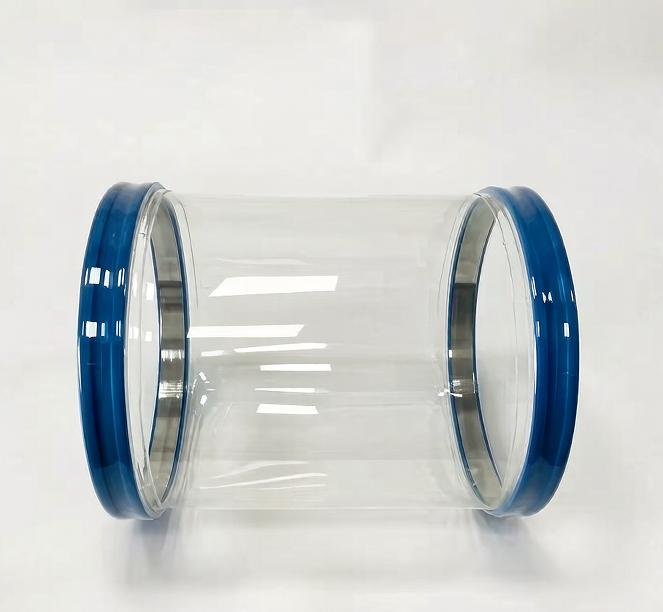
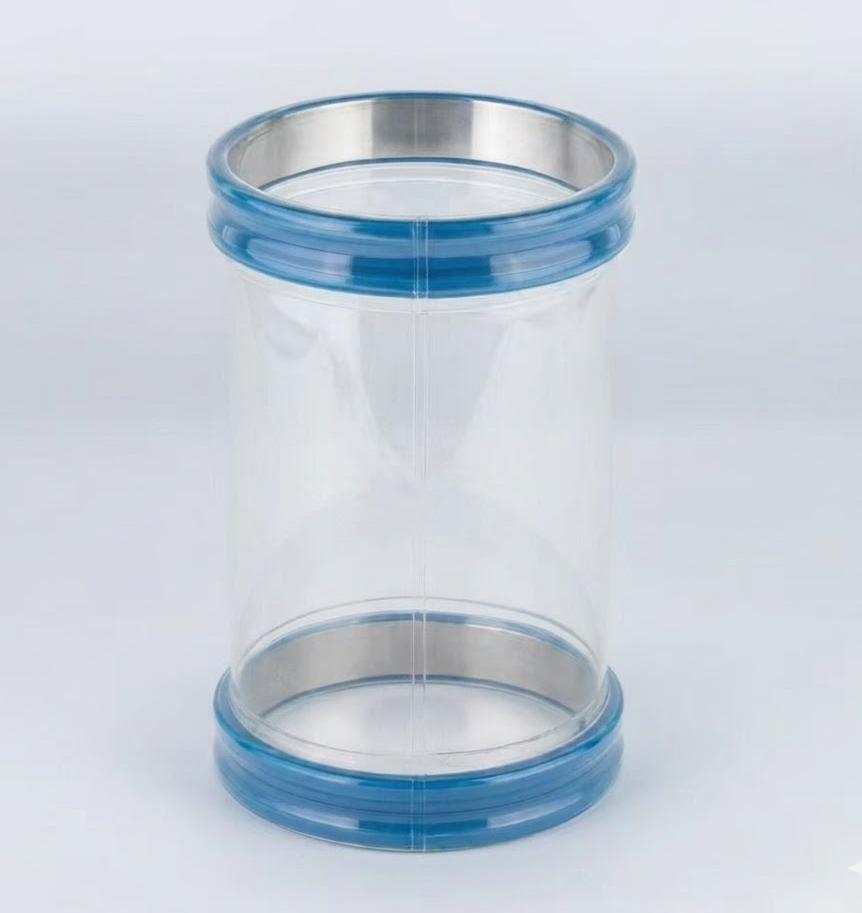
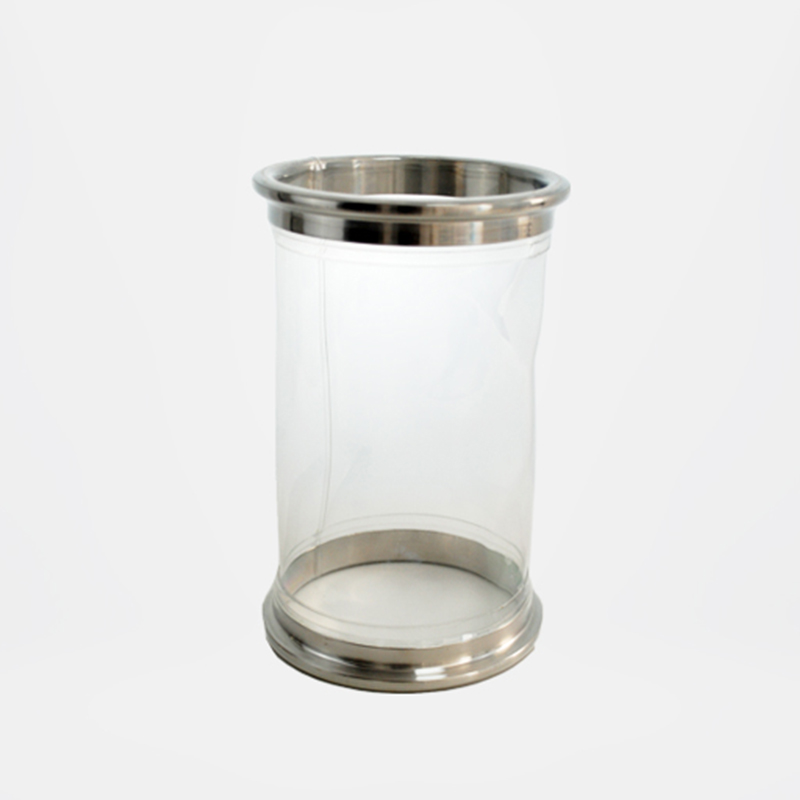
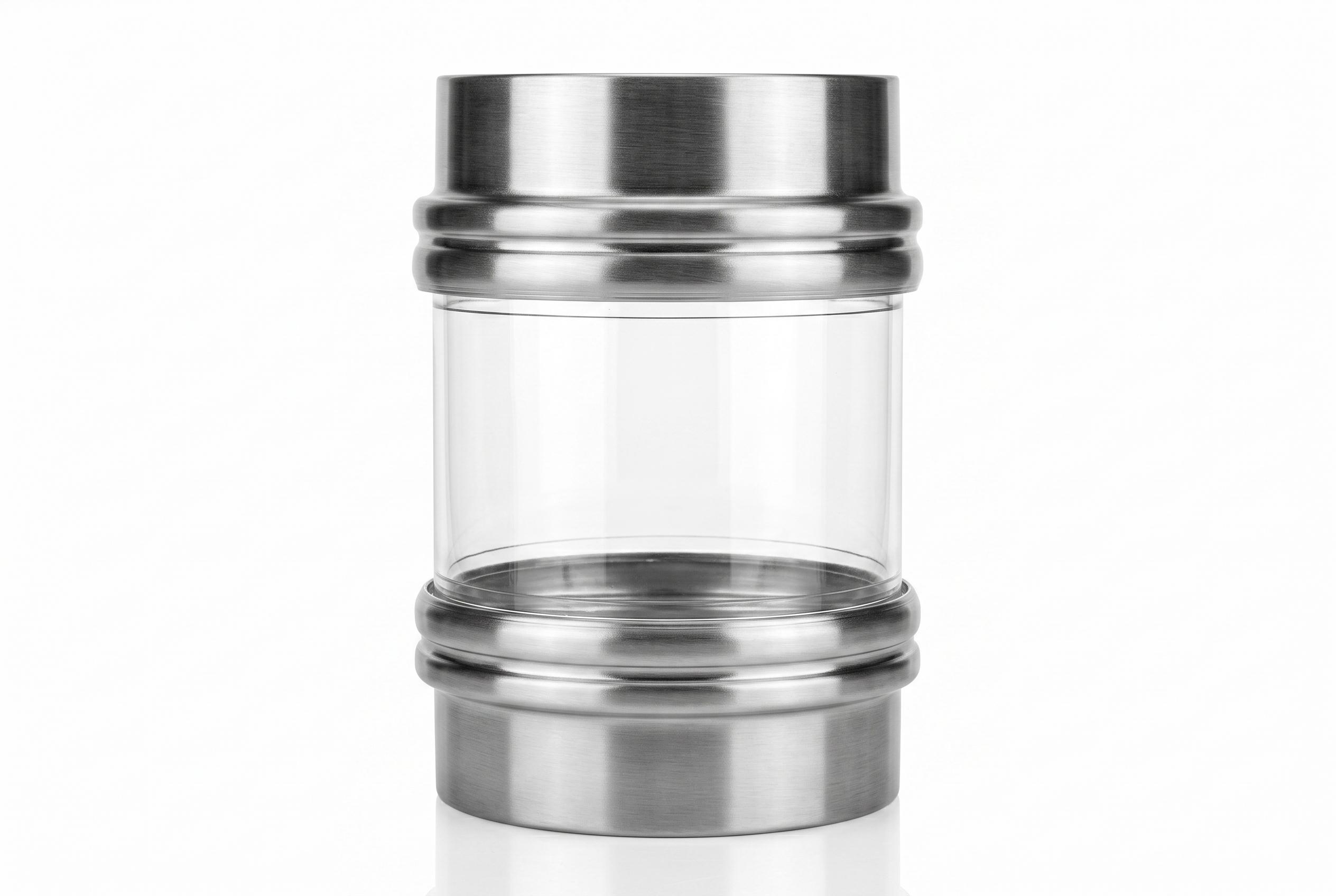
To guarantee load cell isolation and zero dust leakage, SOSHH® manufactures precision-engineered flexible connections using high-molecular Polyurethane (PU) and extreme-duty PTFE (Teflon), delivering distinct advantages for automation systems:
Option A: Ether-Based PU Flexible Sleeves (For Standard & Food Applications)
- Zero Moisture Absorption: Our FDA-compliant ether-based PU material is entirely non-porous and hydrolysis-resistant. It will never absorb moisture or harden, maintaining extreme flexibility over its entire lifespan.
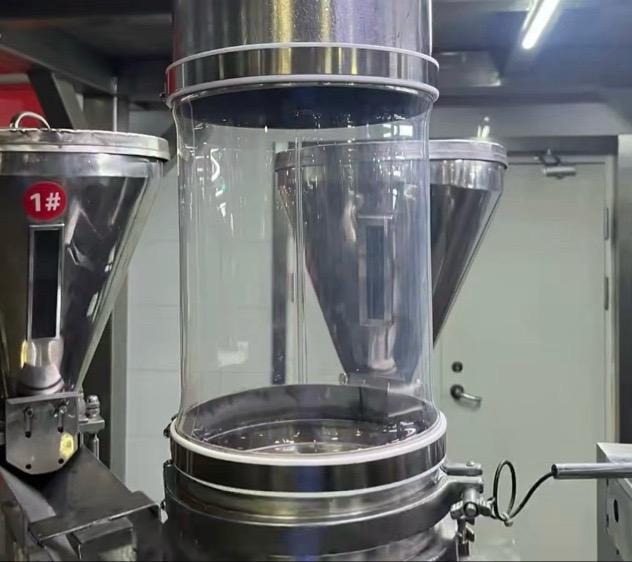
- 100% Visual Flow: The highly transparent nature of our PU allows operators to visually confirm that no product is accumulating or bridging within the sleeve, ensuring every gram drops into the batch.
- Double-Layer Configuration: To completely eradicate dust emissions in fine powder applications, we can engineer double-layer PU sleeves, improving the workshop environment while protecting load cell sensitivity.
Option B: PTFE Corrugated Expansion Joints (For Chemical & Extreme Temp Applications)
For high-temperature drying silos or highly corrosive chemical batching tanks, standard PU is insufficient.
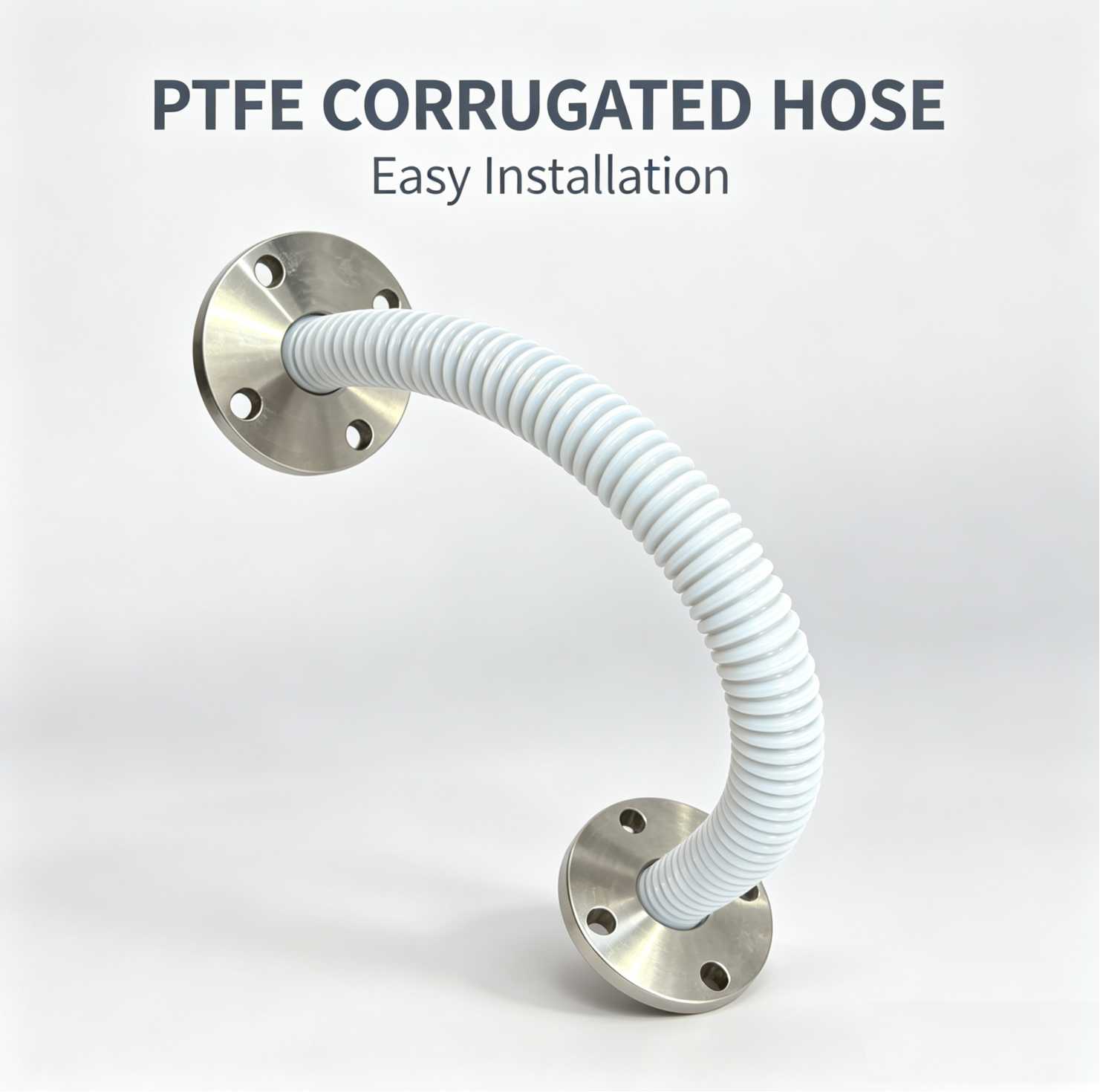
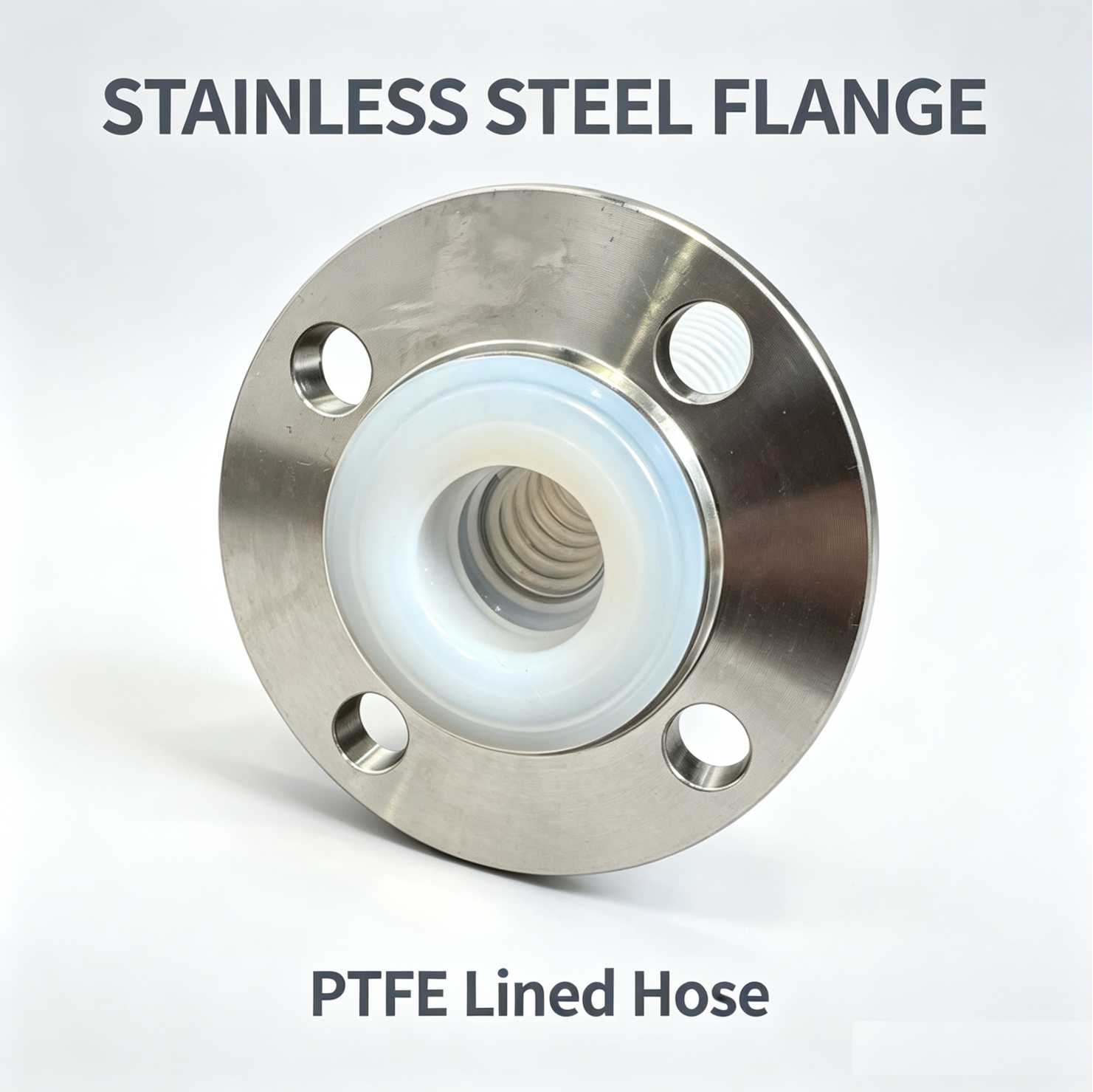
- Corrugated Axial Flexibility: SOSHH® engineers bespoke PTFE (Teflon) bellows with a corrugated (accordion) profile. This design absorbs massive axial displacement without transferring vertical resistance to the load cell.
- Extreme Resilience: Capable of withstanding -70°C to +260°C and offering absolute chemical inertness, our PTFE expansion joints provide the ultimate non-stick, friction-free transition for complex pharmaceutical and petrochemical batching.
soshh-ptfe-corrugated-expansion-joint-chemical-weighing-hopper
📐 Best Practices for Specifying Connector Length
To avoid the "short-distance tension" problem, engineers must calculate the correct length-to-diameter ratio. While some field engineers suggest a rule of 20x the pipe diameter, the reality depends on the specific stroke of the equipment.
SOSHH® assists engineering firms in calculating the exact required length for DN40 to DN400 pipe diameters. We ensure sufficient slack is built into the custom PU or PTFE sleeve so that it compensates for thermal expansion and mechanical vibration without pulling taut.
🏭 Source Direct from the Quzhou Manufacturing Hub
Engineered at our advanced manufacturing facility in Quzhou, Zhejiang, China, SOSHH® supplies custom-length weighing tank connectors and bespoke silo expansion joints to EPC contractors globally.
Don't let a failing canvas sleeve compromise your multi-thousand-dollar batching system. Click the "Download Spec Sheet" link to view standard dimensions, or email your exact pipe outer diameter (O.D.), required length, and operating conditions to amin@soshh.com for a precise technical assessment.
Explore Related Flexible Connection Systems:
PTFE Flexible Expansion Joints — High-temperature corrugated bellows for chemical processing.
HC Hose Clamp Flexible Sleeves — Ideal for custom-length load cell isolation and rapid retrofitting.
Related Posts