Dairy & Milk Powder Flexible Connectors — FDA-Compliant, CIP-Durable
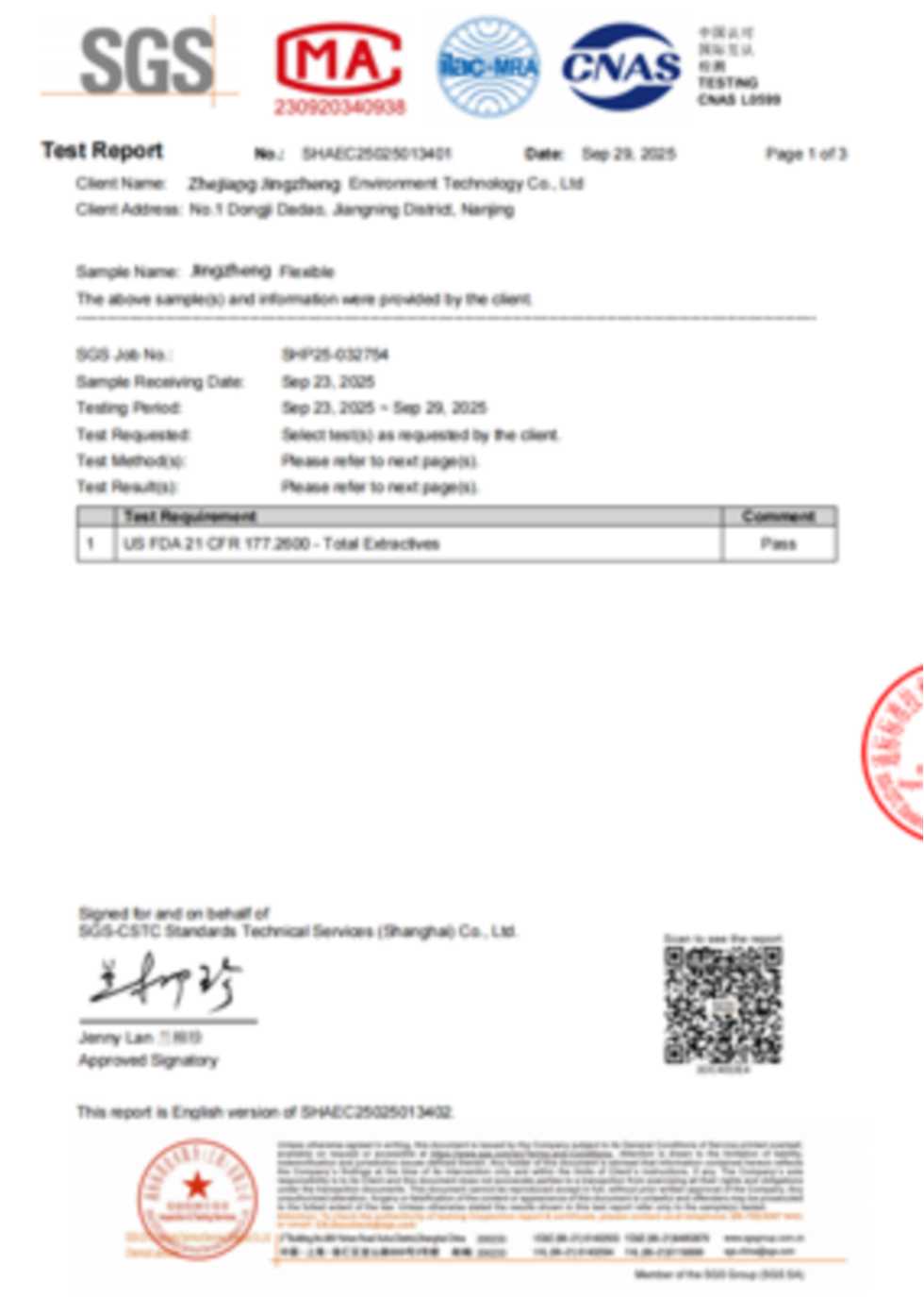
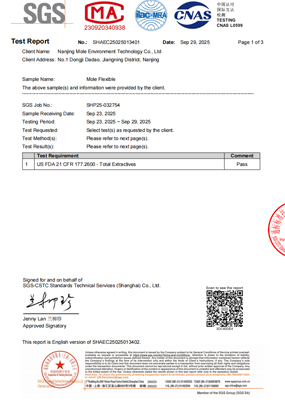
Dairy and milk powder flexible connectors must survive hot caustic CIP washdown at 60–80 °C while sealing micronized lactose under positive pressure and meeting FDA 21 CFR 177.2600. The correct specification is virgin polyether TPU (Shore A 90, 40 MPa tensile strength) with a smooth non-porous bore — polyester TPU hydrolyzes under caustic and loses 40–60% tear strength within 12–18 weeks. SOSHH dairy sleeves are compliant with FDA 21 CFR 177.2600 under Report Ref TQT4821B36E.
Milk powder processing plants experience flexible connector failure in three predictable ways: sleeves tear at the clamp edge under sifter vibration, crack after exposure to hot caustic clean-in-place (CIP) regimes, or leak fine lactose dust through gasket crevices. Each failure stems from material mismatch or geometry error.
1. Three Dairy-Specific Failure Points
- CIP Caustic Hydrolysis: Dairy CIP protocols utilize 2–5% caustic washdowns at 60–80 °C. Standard polyester TPUs undergo rapid ester-linkage cleavage under these conditions, losing 40–60% of their mechanical tear strength within 12–18 weeks. Virgin polyether TPU does not hydrolyze and maintains elastic integrity.
- Sifter Clamp-Edge Tearing: Vibrating screeners run at 20–30 Hz. Rigid clamp bands pinch the flexing wall into a sharp 2–4 mm stress raiser, inducing dynamic fatigue failure within months. HF-welded exterior cuff pockets physically relocate clamp loads away from the flexing zone.
- Lactose Dust Leakage: Micronized lactose (10–100 µm) escapes through gasket crevices and stamped clamp margins. A mirror-smooth, non-porous bore with tool-free snap-band sealing maintains dust-tight containment up to +0.35 bar.
2. Recommended Specifications for Dairy Processing
| Parameter | Dairy-Grade Specification | Engineering Benefit |
|---|
| Base Polymer | 100% Virgin Polyether TPU | Complete hydrolytic resistance; zero ester degradation |
| Durometer Hardness | Shore A 90 | Optimal balance of dynamic flex life and hoop retention |
| Thermal Envelope | -20 °C to +110 °C continuous | Withstands steam-out and 80 °C caustic washdowns |
| Cuff Design | HF-Welded Isolated Pockets | 100% molecular bond; isolates rigid clamp pinching |
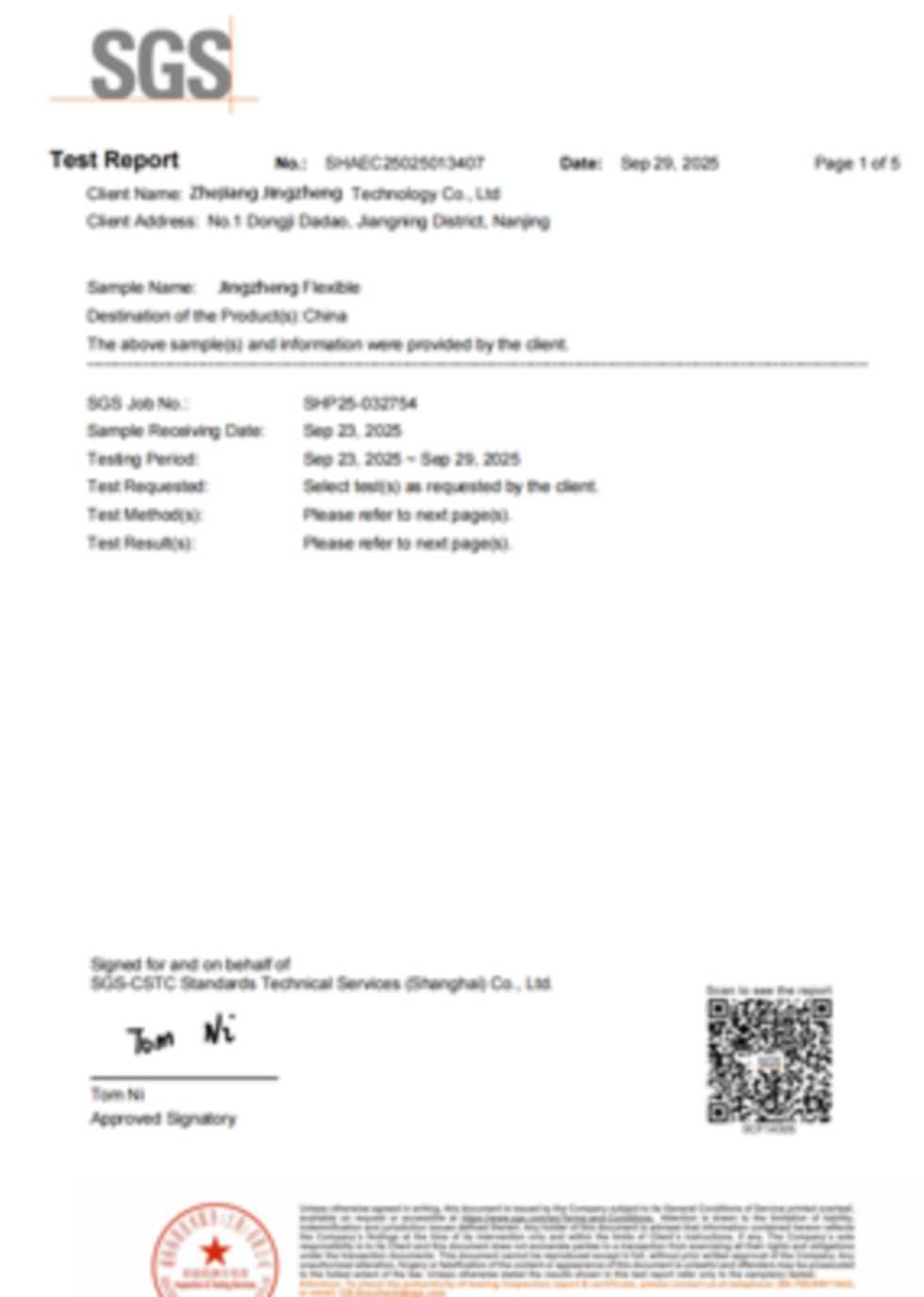
| Sanitary Standard | FDA 21 CFR 177.2600 Compliant | Test Report Reference: TQT4821B36E |
| Standard Diameters | Ø102 mm to Ø804 mm | Zero tooling fees for custom transitional geometries |
Tensile Strength: 40 MPa — Resists positive-pressure blowout Elongation at Break: 600% — Absorbs vibration & thermal movement Abrasion: 39.0 mg (DIN) — Long service life on abrasive milk powder
3. Compliance Verification & Audit Readiness
Dairy plant QA/QC auditors require verifiable, traceable documentation rather than vague marketing terminology. SOSHH provides an official Declaration of Compliance referencing third-party laboratory migration testing under Report Reference TQT4821B36E. Products are declared compliant with FDA 21 CFR 177.2600, manufactured 100% plasticizer-free and phthalate-free for direct food contact.
4. Frequently Asked Questions (FAQ) — Dairy Applications
Q1: Will hot caustic CIP washdowns degrade polyether TPU sleeves?
A: No. Unlike polyester formulations that suffer ester hydrolysis, virgin polyether TPU is inherently hydrolytically stable against 2–5% caustic CIP solutions at temperatures up to 80 °C.
Q2: Does the connector meet FDA requirements for infant formula and dry dairy powders?
A: Yes. Sleeves comply with FDA 21 CFR 177.2600 (Report Ref: TQT4821B36E) for repeated food contact, verified free of plasticizers and heavy metals.
Q3: How does the snap-band prevent lactose dust escaping?
A: Internal spring-steel snap bands lock directly into precision-rolled spigot grooves, eliminating external clamp pinch gaps and preventing product buildup behind gaskets.
Q4: How fast is changeover during sanitary changeouts?
A: Tool-free snap-in installation allows replacement in under 60 seconds without hand tools or equipment disassembly.
Q5: Are custom rectangular-to-round or offset transitions available?
A: Yes. Custom transitional chutes and conical reducers are fabricated to exact millimeter dimensions with zero mold or tooling charges.
5. Engineering RFQ & Technical Sizing
To obtain a dimensional drawing and technical recommendation within 24 hours, submit the following five parameters to amin@soshh.com:
- [ ] Spigot outer diameter (seating channel OD in mm)
- [ ] Static installation gap (face-to-face distance in mm)
- [ ] Sifter stroke amplitude and frequency (Hz / mm)
- [ ] CIP washdown chemistry (caustic concentration % and temperature °C)
- [ ] Operating pressure boundary (positive or vacuum bar/mbar)
Browse general sizing and material questions in the Flexible Connector FAQ Hub.