


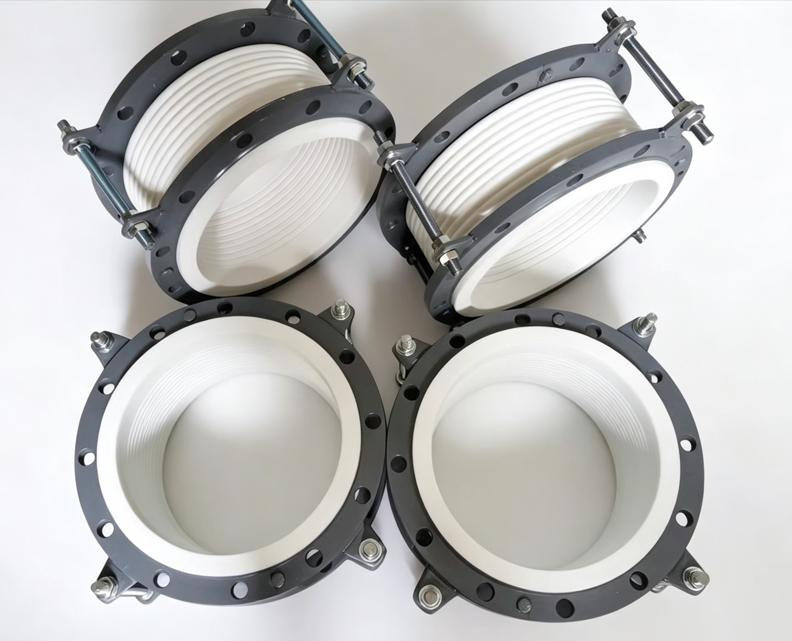
Heavy-Duty PTFE Corrugated Bellows for Precision Battery Weighing (Over 12,000 Pa)
Why 0.5mm Flat PTFE Sleeves Fail under 12,000 Pa Positive Pressure in Battery Material Dosing Lines
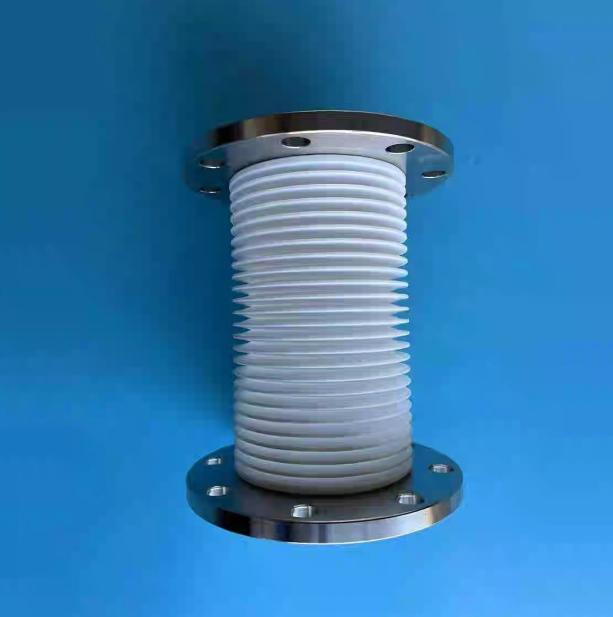
Click the image to download the full datasheet.
In advanced battery manufacturing, especially within lithium-ion electrolyte blending and cathode or anode active material processing, achieving the perfect balance between fluid containment and mechanical flexibility is a persistent engineering challenge.
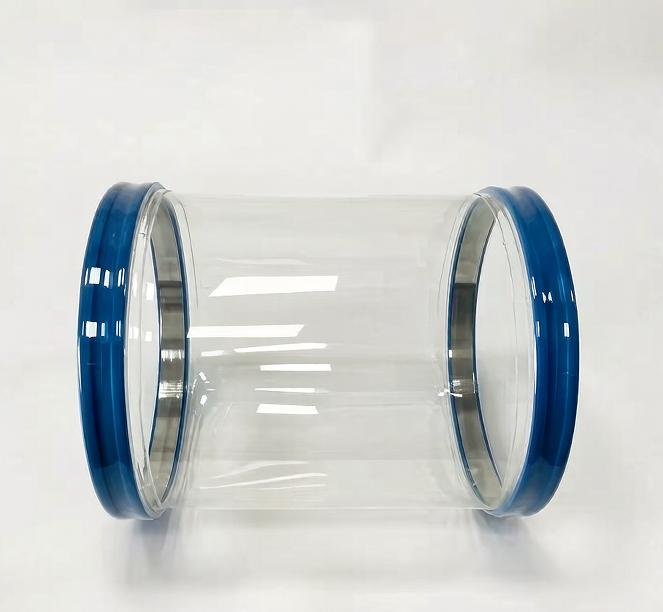
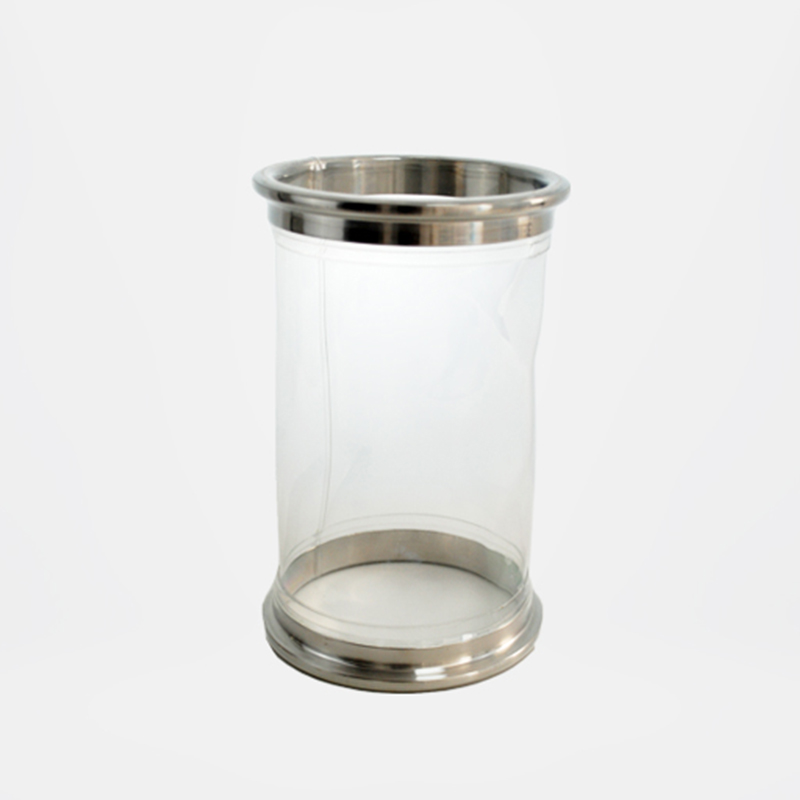
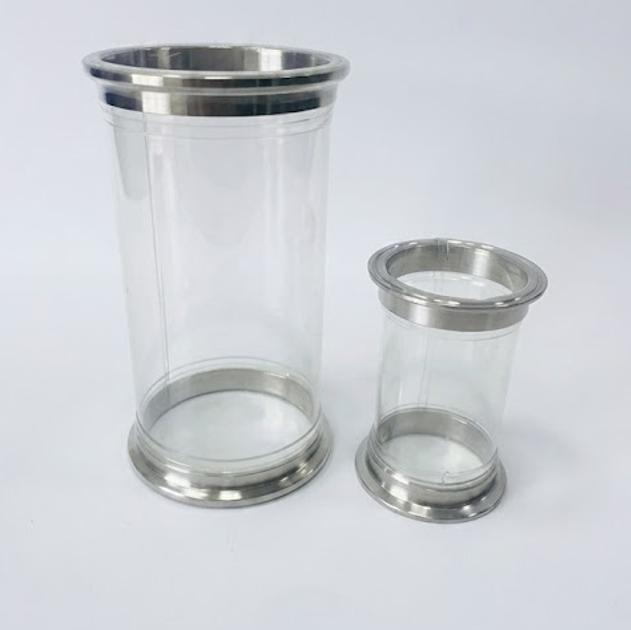
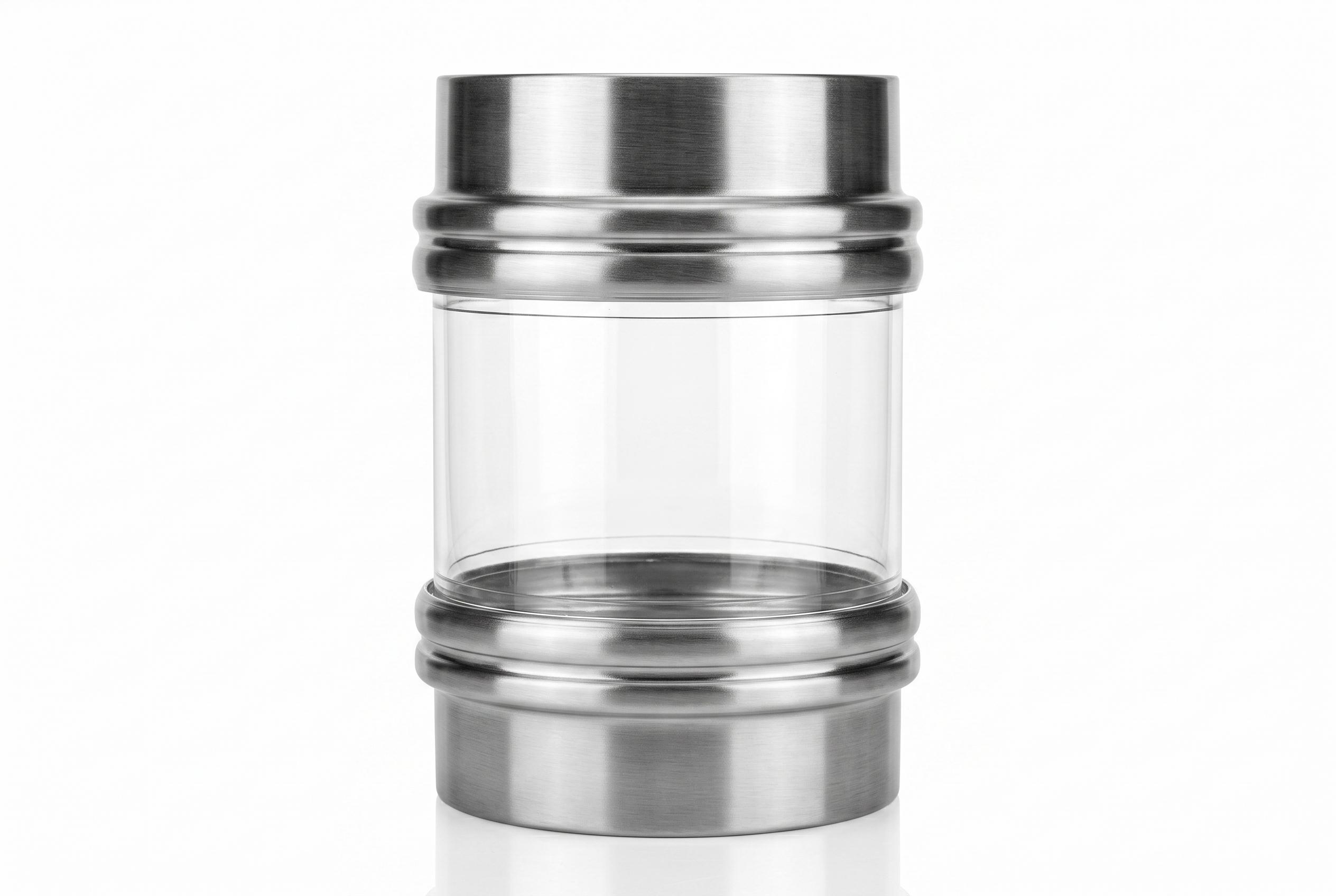
When upgrading from traditional polyurethane snap-in sleeves due to severe chemical swelling or friction degradation, many plant engineers instinctively turn to a 0.5mm flat PTFE soft connector with flanged ends.
However, in bulk powder pneumatic conveying or chemical dosing loops running under a continuous or pulse positive pressure of 12,000 Pa (12 kPa or 1.74 psi), this flat 0.5mm configuration frequently fails.
This technical guide dissects the mechanics behind flat PTFE sleeve failures and analyzes why a Solid-Molded High-Density PTFE Corrugated Bellow is the safest, most precise alternative for precision weighing systems.
Part 1. The Physics Behind the Failure: Why Flat 0.5mm PTFE Cannot Handle 12,000 Pa
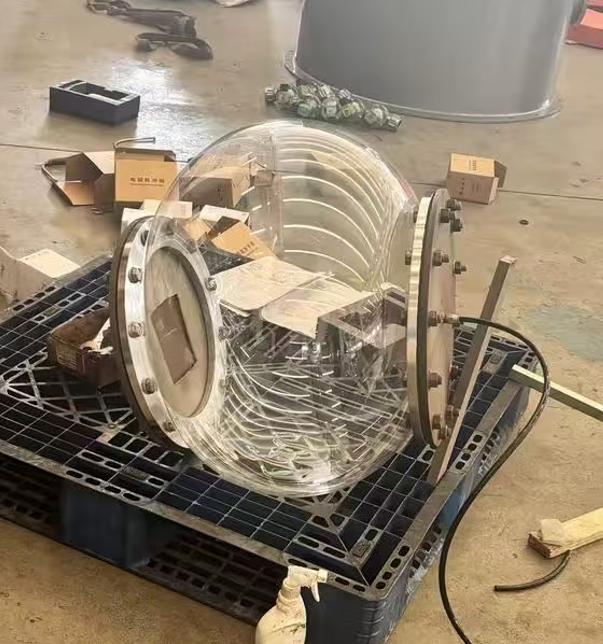
While virgin PTFE exhibits exceptional chemical inertness and a low friction coefficient, a straight-walled, flat 0.5mm profile lacks structural hoop strength. When subjected to a 12,000 Pa internal blowing velocity, three destructive phenomena occur.
A. The Ballooning Effect and Flex Fatigue
Pure PTFE is a semi-rigid polymer with low elastic recovery. Under 12,000 Pa positive pressure, a flat sleeve balloons outward. As the pneumatic system cycles on and off, this repetitive deformation creates severe stress concentration at the bending edges right next to the flange clamping zone, leading to rapid flex fatigue cracking.
B. Parasitic Force on Precision Weighing Sensors (Load Cells)
In automated battery material dosing, raw components must be measured to gram-level accuracy. When a flat sleeve stiffens under 12,000 Pa pressure, it transforms into a rigid structural column. This column transmits random upstream vibrations and massive vertical thrust straight down to the weighing platform, destroying sensor calibration and corrupting batch formulas.
C. The Catastrophic Rupture Hazard
Battery-grade electrolyte materials are highly toxic and corrosive. A sudden rupture of a compromised 0.5mm flat sheet under 12,000 Pa blowing pressure causes immediate chemical aerosol exposure, triggering catastrophic plant downtime and severe safety risks.
Part 2. The Ultimate Alternative: Solid-Molded High-Density PTFE Corrugated Bellows
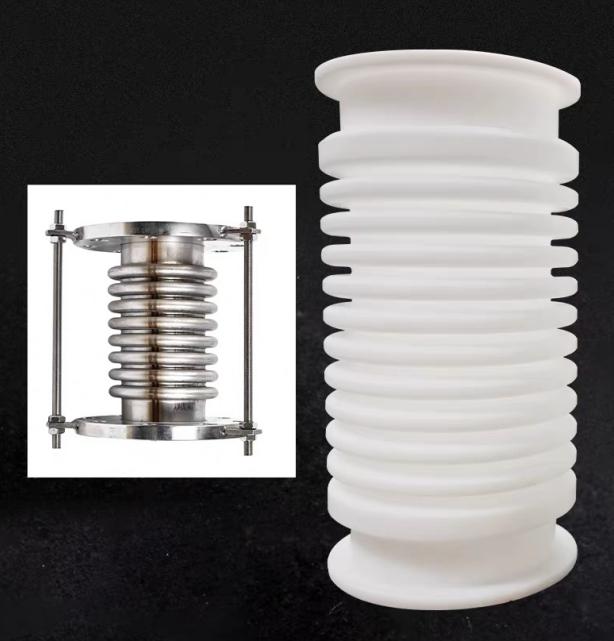
To bypass the physical limitations of thin-walled flat plastic sheets without sacrificing flexibility, modern battery chemical loops implement Solid-Molded High-Density PTFE Corrugated Bellows with Full Flare Faces.
By engineering dense, geometric convolutions directly into a thin-walled (0.5mm to 1.0mm) fluoropolymer body, the mechanical behavior of the connector is entirely revolutionized.
A. Geometrical Pressure Redistribution
When 12,000 Pa of positive air pressure enters a corrugated bellow, the internal blowing force is not focused on expanding a flat surface. Instead, the geometry redistributes the volumetric pressure into safe, localized material tension along the structural arc of each convolution. This allows a wall thickness as thin as 0.5mm to comfortably manage pressure ratings exceeding 50,000 Pa without ballooning or tearing.
B. Dynamic Force Decoupling for Load Cells (Vibration-Damping Compensator)
Because there is no heavy external metal jacketing or thick rigid reinforcement, a pure PTFE corrugated bellow retains an incredibly low spring rate. It acts exactly like a lightweight accordion, compressing, extending, and deflecting with negligible mechanical resistance. Upstream vibration is fully absorbed and dissipated within the radius of the convolutions, ensuring absolute zero parasitic force is transmitted to the weighing sensors below.
C. 100 Percent Zero Metal Contamination
In the battery sector, iron or copper trace contamination down to the parts-per-billion level will cause internal battery cell short-circuits. In premium mold-formed bellows, the virgin PTFE liner extends directly outward to form an integrated, continuous flare face over the backing flanges. The process medium never makes contact with bare metal or backing steel, guaranteeing absolute chemical purity.
Part 3. Standard Product Specifications and Parameters
Below is the technical configuration table for our standard battery-grade PTFE corrugated flexible joint. Custom dimensions are available upon engineering request.
Nominal Diameter: Standard DN25 to DN300 (Custom large sizing up to 20 Inches or DN500 available)
Installation Length: Fully customized based on system requirements (e.g., 190 mm Flange to Flange)
Wall Thickness: 0.5mm to 1.0mm
Max Positive Pressure: 50,000 Pa (50 kPa)
Max Negative Pressure: High Vacuum (Functions exceptionally well as a PTFE vacuum corrugated pipe depending on convolution density)
Operating Temperature Range: Minus 40 Celsius to Plus 260 Celsius
Medium Contact Material: 100 Percent Virgin PTFE (FDA Compliant)
Backing Flange Material: 304 or 316L Stainless Steel (Non-Wetted)
Connection Type: Full PTFE Flare Face over rotating metal flanges
Limit Rod Configuration: 3 to 4 Stainless Steel rods with 5mm to 10mm floating clearance
Part 4. Technical Comparison: Flat PTFE Sleeve versus Corrugated PTFE Bellow at 12,000 Pa
Pressure Endurance:
The 0.5mm Flat PTFE Sleeve handles less than 3,000 Pa and is highly prone to ballooning. The High-Density Corrugated PTFE Bellow manages over 50,000 Pa because it is geometrically stabilized.
Load Cell Interference:
The flat sleeve creates high interference as it stiffens under pressure. The corrugated bellow creates zero to negligible interference due to its accordion effect.
Flex Fatigue Life:
The flat sleeve has a low fatigue life and cracks at the flange edge. The corrugated bellow has exceptional fatigue life because operational stress is evenly distributed.
Metal Contamination Risk:
The flat sleeve poses a high risk if external metal support rings must be used to resist pressure. The corrugated bellow ensures absolute zero risk because of its 100 percent PTFE flare face.
Part 5. Advanced Safety: Loose-Fit Lightweight Limit Rods with Engineered Clearance
For extreme positive pressure applications like a 12,000 Pa pneumatic pulse, relying solely on the polymer's tensile capacity introduces unnecessary risk. The industry best practice is to equip the assembly with Loose-Fit Lightweight Limit Rods featuring explicit floating clearance.
During the dormant weighing phase, the limit bolts pass through oversized holes in the flange ears with a 5mm to 10mm uninhibited clearance gap. The hardware is entirely loose and non-contacting, applying exactly zero grams of parasitic weight to the load cells.
During a pressure spike phase, the moment a 12,000 Pa pneumatic blast hits the line, the bellow attempts to over-elongate axially. Within milliseconds, the floating flange ears bridge the 5mm gap and seat firmly against the lock nuts. The rods instantly transform into a rigid structural cage, trapping the internal pressure force within the hardware assembly and safely preventing the thrust from overwhelming the weighing platform or tearing the PTFE seams.
Part 6. System Operation Guidelines and Remarks
To ensure optimal performance and longevity of the PTFE soft joint, plant operators should adhere to the following system notes:
Remark 1. Pre-Tare Calibration for Load Cells
After physical installation, always perform a zero-tare calibration on the weighing system while the limit rods are in their loose, resting position. This eliminates the minimal self-weight of the PTFE bellow from the dosing batch logic.
Remark 2. Flange Torque Control
When tightening the backing flanges, use a star-pattern torque sequence. Do not over-torque the bolts, as excessive crushing force can damage the integrated PTFE flare face.
Remark 3. Limit Rod Maintenance
Never remove the loose-fit limit rods during active production. They are critical safety components designed to engage only during unexpected pressure surges. Ensure the 5mm to 10mm clearance gap is free from chemical buildup or debris.
Frequently Asked Questions (FAQ)
Question 1: Why do 0.5mm flat PTFE sleeves fail under high pressure?
Answer: Under 12,000 Pa positive pressure, flat 0.5mm PTFE sleeves lack structural hoop strength. They balloon outward and suffer from flex fatigue at the flange clamping edges, leading to rapid rupture and potential chemical leaks.
Question 2: How do corrugated PTFE bellows protect load cell weighing accuracy?
Answer: Corrugated PTFE bellows have an extremely low spring rate. They act like an accordion, absorbing upstream vibration and converting internal blowing pressure into localized material tension without transmitting rigid parasitic force to the weighing sensors.
Question 3: What is the purpose of loose-fit limit rods on a PTFE bellow?
Answer: Loose-fit limit rods act as a mechanical safety belt. During normal weighing, they maintain a 5 to 10mm floating clearance to avoid interfering with load cells. During a severe pressure spike, they instantly lock to prevent the bellow from over-elongating and failing.
About the Author
Yilong Xu is a professional trader and Technical Application Engineer running the JingZheng brand (soshh.com). While the core operation focuses on supplying premium polyurethane soft connections for global powder handling, the team also partners with top-tier manufacturing facilities to engineer custom, zero-contamination PTFE expansion soft joints for extreme industrial environments like lithium-ion battery processing.
Related Posts