




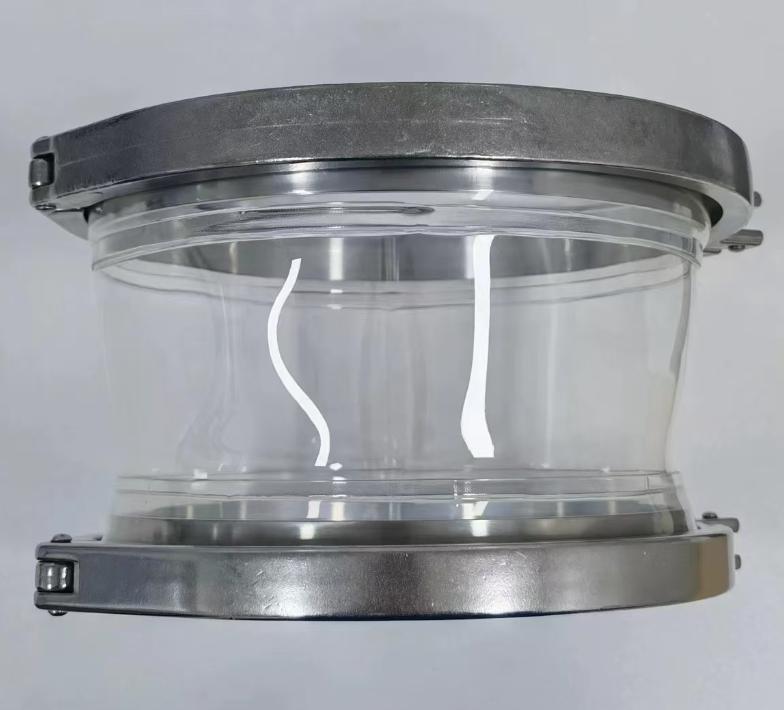
TPU vs. Silicone vs. Rubber: Choosing the Best Material for Flexible Connections
1. Abrasion Resistance: The Durability Gap
The primary failure mode for rubber and silicone is wear and tear. Abrasive powders like sugar, grains, or chemicals act like sandpaper, quickly thinning the walls of the connector.
- The SOSHH Advantage: TPU is naturally more "tough." In standard ISO 4649 abrasion tests, SOSHH TPU loses only 30mg to 39mg, while rubber typically loses over 150mg.
- The Result: SOSHH TPU connectors last 3 to 5 times longer than rubber, drastically reducing your annual maintenance costs.
2. Clarity and Process Visibility
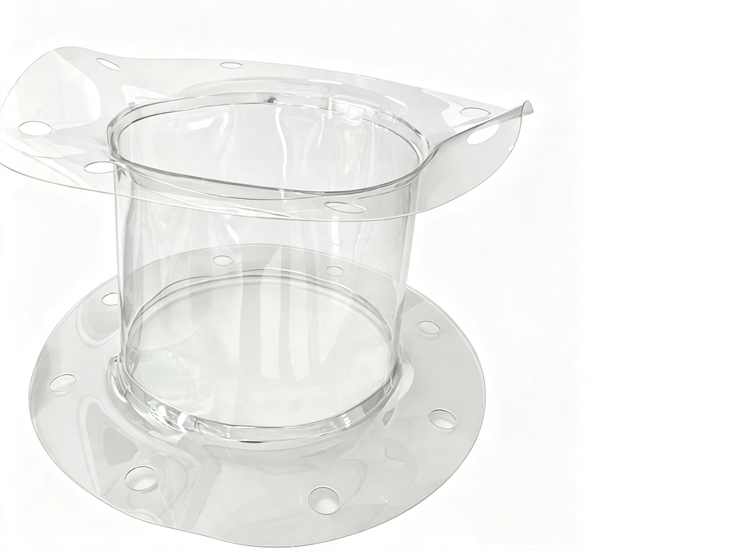
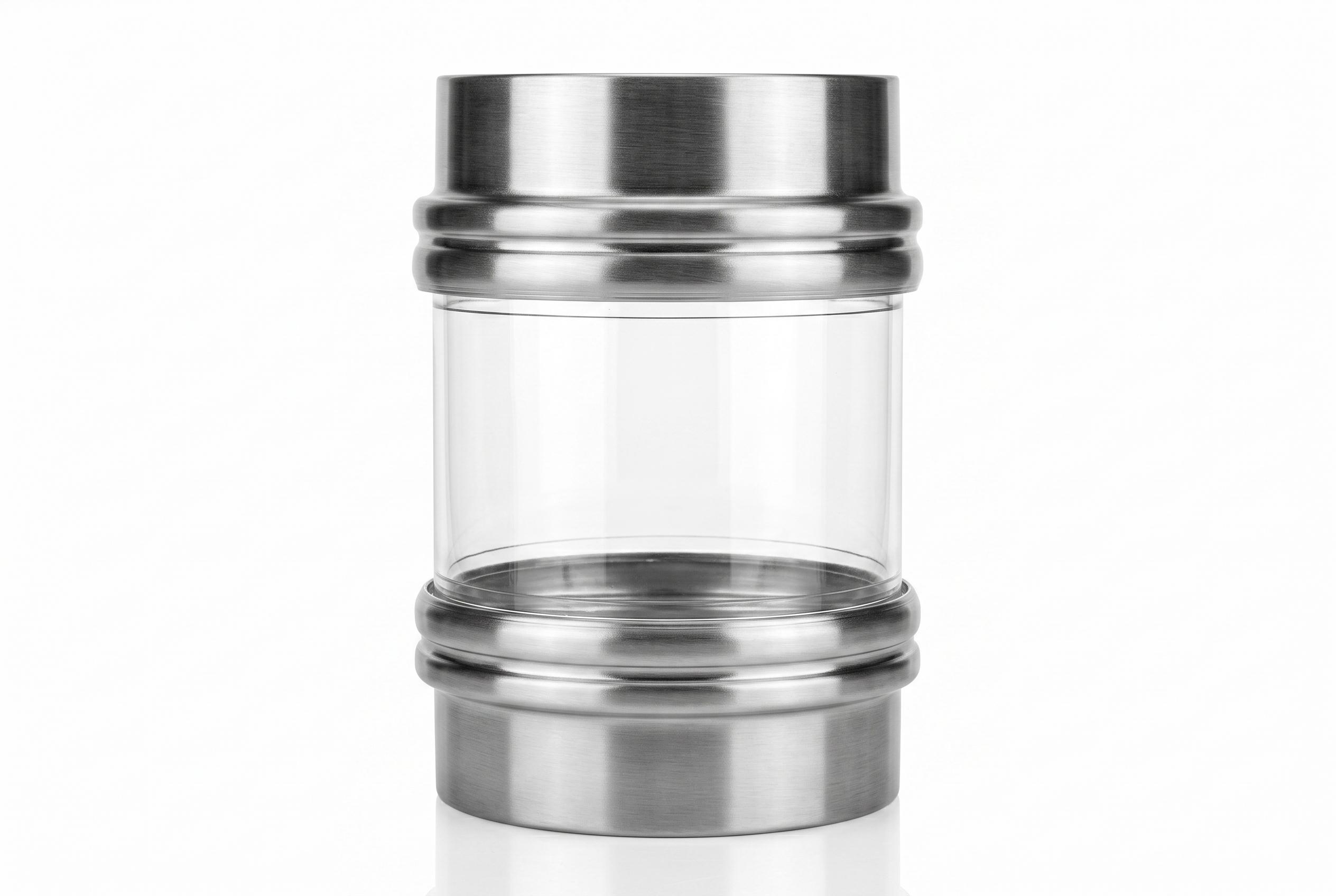
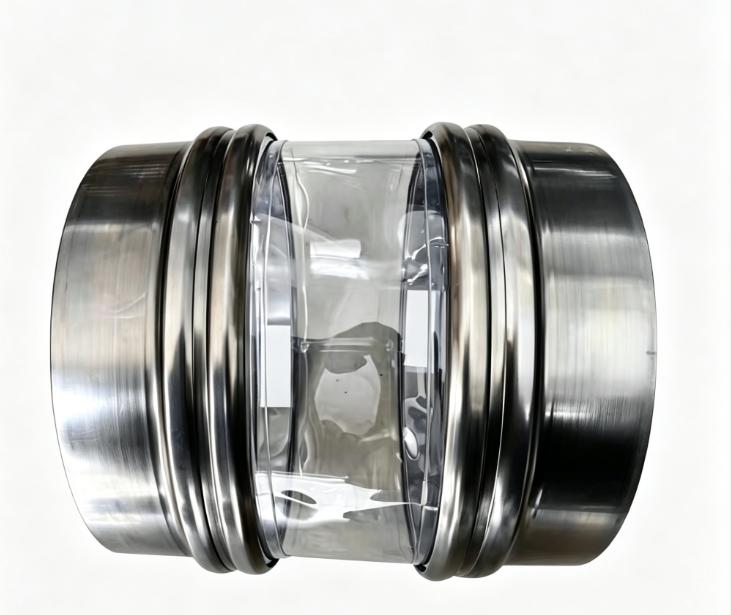
Standard rubber is opaque (black or grey), and even "translucent" silicone becomes cloudy and yellow over time. This creates a "black box" in your production line.
- Visual Monitoring: SOSHH TPU is crystal clear. This allows operators to monitor material flow, check for blockages, and ensure consistent color/quality in real-time without stopping the line.
- No Yellowing: Our TPU is UV-stabilized and chemical-resistant, maintaining its transparency through months of rigorous cleaning cycles.
3. Preventing "Black Speck" Contamination
Rubber sleeves are prone to "shedding"—micro-particles of carbon black or rubber filler break off and contaminate the product batch.
- Zero Shedding: TPU is a high-tensile, homogeneous polymer. It does not contain fillers or plasticizers that can leach or shed.
- Pharma Grade Safety: By eliminating shedding, SOSHH TPU ensures your pharmaceutical APIs and food products remain pure and pass all quality audits.
4. Mechanical Strength and Pinhole Resistance
Silicone is notoriously soft and prone to "pinholing" under high-frequency vibration or positive pressure.
- High Tensile Strength: At 45.0 MPa, SOSHH TPU is significantly stronger than silicone (typically 8-10 MPa).
- Fatigue Resistance: It handles the high-frequency stroke of vibrating sifters without developing the stress cracks common in silicone joints.
| Performance Metric | SOSHH Premium TPU | Food-Grade Silicone | Standard Rubber |
|---|---|---|---|
| Abrasion Loss | 30mg - 39mg (Best) | > 200mg (Poor) | > 150mg (Fair) |
| Tensile Strength | 45.0 MPa | 8 - 12 MPa | 10 - 15 MPa |
| Transparency | Crystal Clear | Translucent / Cloudy | Opaque (Black/Grey) |
| Cleanliness | No Shedding | Risk of Pinhole Leaks | High Risk (Black Specks) |

SGS, CNAS, ilac-MRA, MA laboratory safety certificates for SOSHH TPU material properties vs silicone and rubber
Related Posts