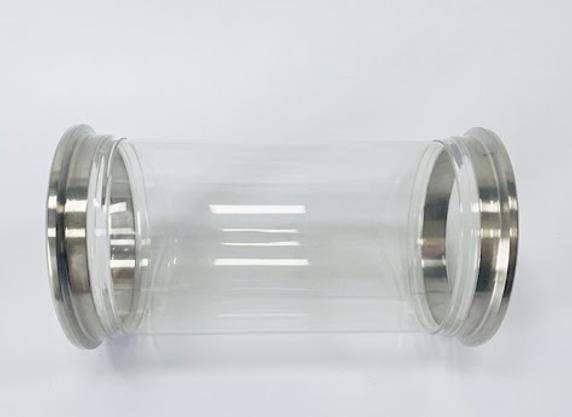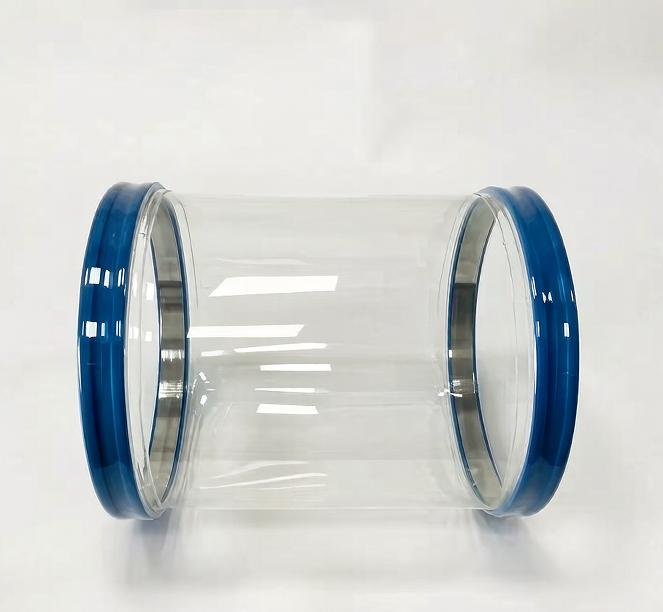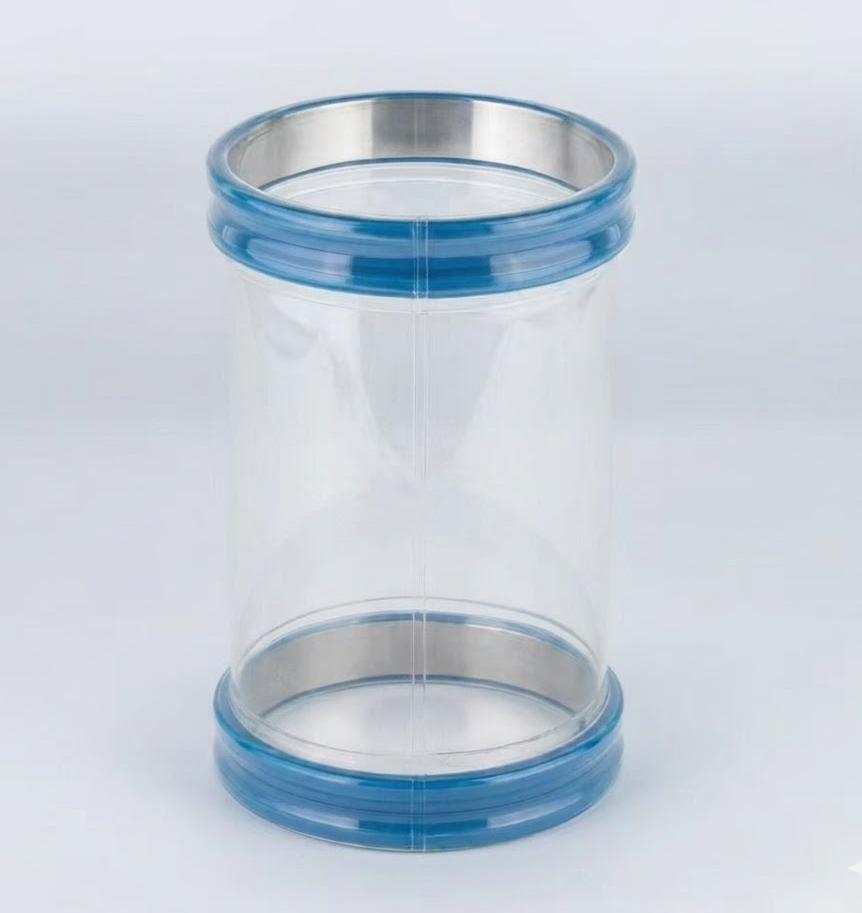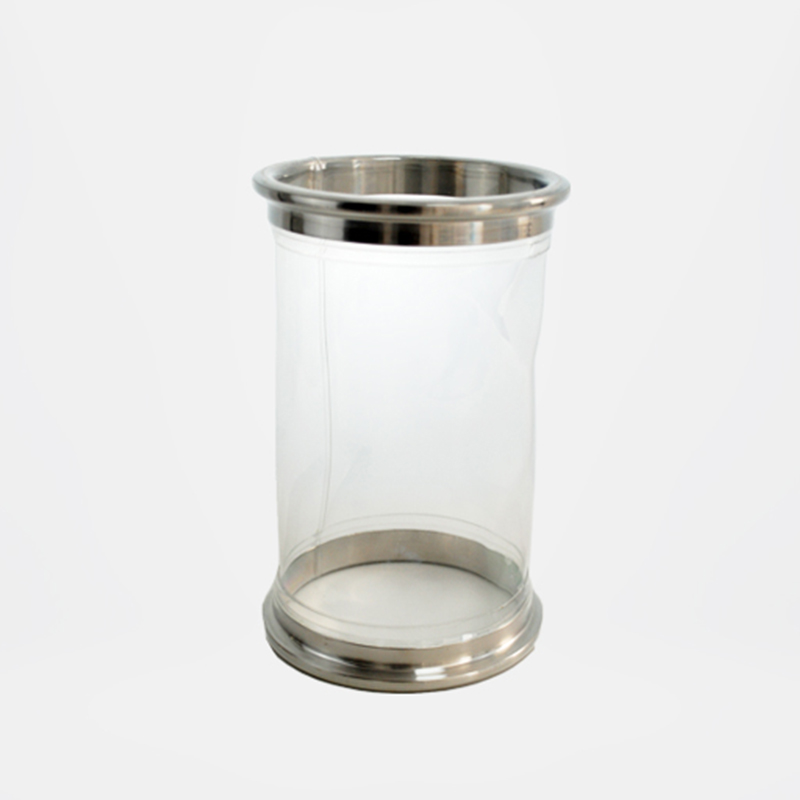




Lifespan and Maximization Strategies for High-Quality Polyurethane (PU) Flexible Joints
H2: How Long Will Your PU Joint Last? 5 Key Factors for Lifespan Prediction
For the powder and bulk solids handling industry, flexible connectors are critical determinants of system uptime and Overall Equipment Effectiveness (OEE). When specified correctly, a high-quality Polyurethane (PU) flexible joint significantly outlasts standard rubber or PVC alternatives, with expected continuous operating ranges from 6 months to over 2 years.
However, lifespan prediction is not a fixed number. Understanding these five core factors is key to accurately assessing and maximizing your PU joint lifespan.
H3: 1. Material Abrasion Factor (Wear Resistance)
This is the number one factor determining PU lifespan.
- High Abrasive Materials (e.g., silica, cement, certain sugars): Even high-quality PU may fail due to material erosion within 6 to 12 months. In these cases, specialized High Wear-Resistant PU grades must be selected.
- Low Abrasive Materials (e.g., flour, plastic pellets): Abrasion is no longer the dominant failure mode, and lifespan can easily exceed 1.5 years or more.
H3: 2. Frequency of Movement and Fatigue Cycling (Flexing Cycles)
The fatigue cycling of joints connecting vibrating equipment (like screeners or mills) accelerates material degradation.
| Type of Movement | Lifespan Impact | Optimization Tip |
| Continuous High-Frequency Vibration | Lifespan is significantly reduced (potentially 6-9 months). | Use Bellows or convoluted designs to distribute and relieve stress. |
| Static Connection | Longest lifespan (2+ years). | Failure mode is typically thermal or chemical aging, not fatigue. |
H3: 3. Temperature and Chemical Compatibility
Continuous operation near the upper temperature limit of PU (which is typically lower than silicone) causes the polymer to harden and lose elasticity, accelerating cracking.
- Key Point: Verify that the PU joint is compatible with cleaning agents or any chemical vapors present in the process. Chemical degradation is often more insidious than physical wear.
H3: 4. Pressure Rating and Vacuum Stress
High-quality PU's high tensile strength allows it to handle both positive and negative (vacuum) pressure. However, continuous operation near the maximum rated pressure keeps the material under constant high stress, shortening the overall lifespan.
H3: 5. Installation Quality
A PU joint that is twisted, stretched, or incorrectly aligned upon installation is under constant built-in stress and may fail 50% faster than anticipated.
H2: ✅ Three Core Strategies to Maximize PU Flexible Joint Lifespan
To ensure you get the maximum value from your investment and leverage PU's superior abrasion resistance, follow these strategies:
H3: 1. Adopt Engineered Clamping Systems
Using traditional worm-gear clamps is a common cause of premature PU joint failure.
- Solution: You must use quick-connect clamps that provide uniform, 360-degree circumferential force. This eliminates stress concentration points that initiate tears in the material.
- Benefit: Improves sealing integrity and ensures safety in ATEX environments.
H3: 2. Implement a Proactive Predictive Maintenance Plan
Don't wait for a leak. Since internal wear in a PU joint can be severe before external cracks appear, establish a replacement schedule based on operational cycles.
- Actionable Advice: Set a predictive replacement period (e.g., every 6 months) based on your most abrasive material, rather than waiting for failure, which dramatically reduces unplanned downtime.
H3: 3. Always Specify Application-Specific PU Grades
Not all polyurethane is created equal.
- Abrasion Challenge: Select the higher molecular weight, wear-resistant grade.
- Hygienic Requirement: Choose FDA/EC 1935 certified food-grade or pharmaceutical-grade PU.
- Static Challenge: Anti-static/conductive grades must be selected to safely dissipate static charges.
H2: Conclusion: Investing in PU to Boost OEE
High-quality polyurethane flexible joints offer superior reliability to your critical process lines through exceptional wear resistance and flexibility. Combining them with modern quick-connect technology not only drastically extends replacement cycles but is a strategic investment in increasing your Overall Equipment Effectiveness (OEE) and achieving a zero-leakage production environment.
📞 Contact Us: Get a Customized PU Lifespan Assessment
Unsure which PU grade is best for your highly abrasive powder?
Contact our engineering specialists today for a Flexible Connector Lifespan Assessment Report tailored to your specific materials and process conditions.