



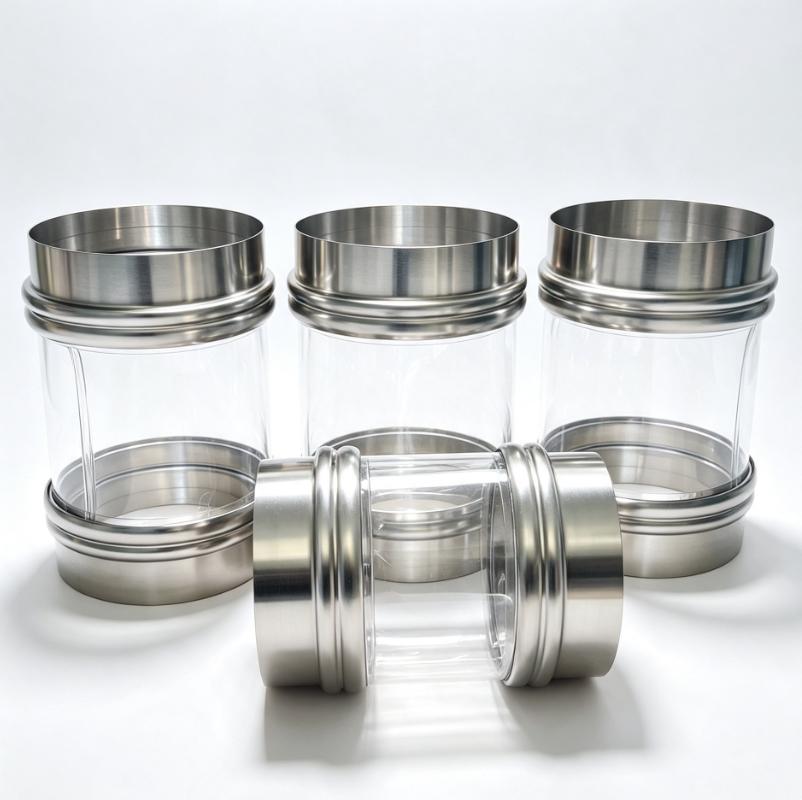
Comprehensive Analysis of Polyurethane Powder Flexible Connectors: Performance, Applications, and Selection Guide
FDA-Compliant Polyurethane Flexible Connectors: The OEM Guide to Sanitary Powder Handling
In the pharmaceutical, dairy, and fine food processing industries, a flexible connector is never just a pipe joint—it is a critical control point for hygiene and product safety. Traditional canvas sleeves shed fabric fibers into the product stream, while standard rubber boots degrade rapidly, harboring dangerous bacterial growth in their microscopic cracks.
For OEM equipment designers and plant engineers, specifying the wrong flexible transition on a vibrating sifter or a loss-in-weight feeder can lead to catastrophic cross-contamination, failed health audits, and massive product recalls.
This guide details why SOSHH® FDA-compliant, ether-based Polyurethane (PU) Flexible Connectors have become the gold standard for sanitary bulk solid handling, delivering 100% dust-tight security and drastically reducing CIP (Clean-In-Place) downtime.
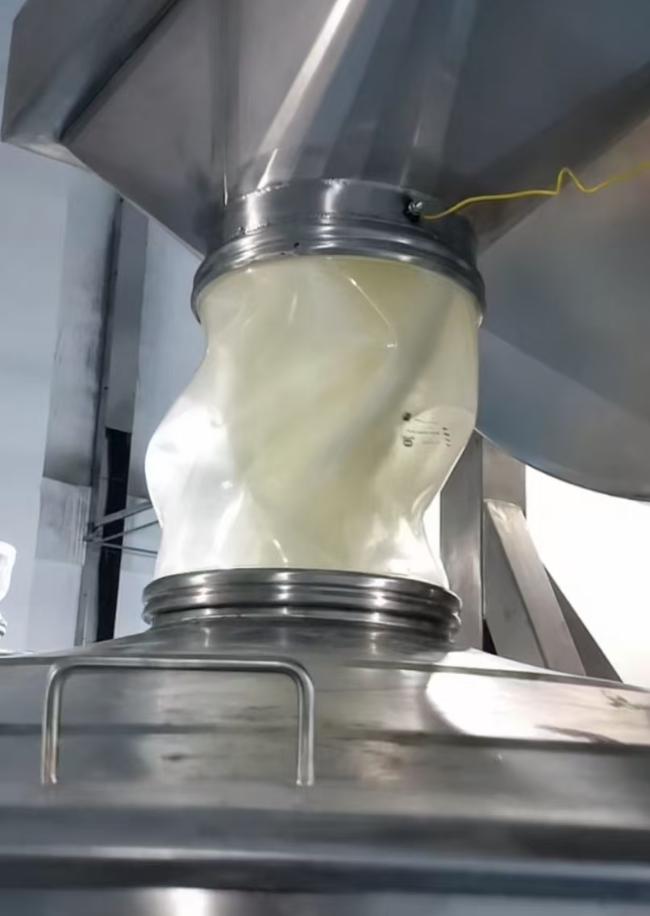
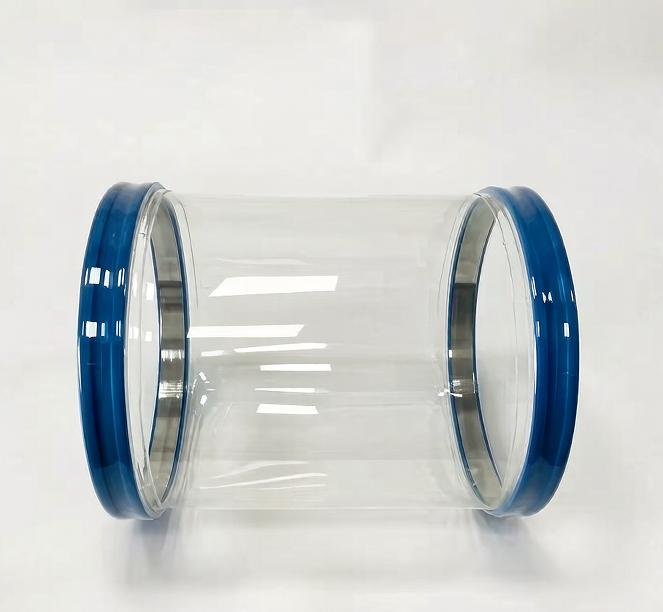
soshh-fda-compliant-polyurethane-flexible-connector-cleanroom.
🦠 The Cross-Contamination Crisis in Traditional Piping
Plant managers in high-hygiene sectors battle two hidden enemies at every flexible connection point:
- Bacterial Bridging in "Dead Zones": Traditional hose-clamp setups create internal ridges and overlapping crevices. During production, powder accumulates in these dead zones, becoming a breeding ground for microbial growth that cannot be reached during standard washdowns.
- Material Leaching & Shedding: Industrial-grade PVC contains plasticizers that can leach into food products, while black rubber sheds micro-particulates as it wears down from abrasive powders.
🛡️ The Ether-Based Polyurethane Solution (FDA 21 CFR 177.2600)
SOSHH® engineers sanitary flexible connectors exclusively from high-molecular ether-based polyurethane. This specific formulation is critical for food and pharma applications for three reasons:
- 100% Hydrolysis & Microbial Resistance: Unlike cheaper polyester-based PU, our ether-based formulation is completely immune to water degradation (hydrolysis). It will not break down, crumble, or harbor mold even under continuous high-temperature CIP/SIP washdowns.
- Certified Food Safety: Our clear PU material is strictly certified to meet FDA 21 CFR 177.2600 and EC 1935/2004 standards for direct food contact, ensuring zero leaching of toxic chemicals or plasticizers.
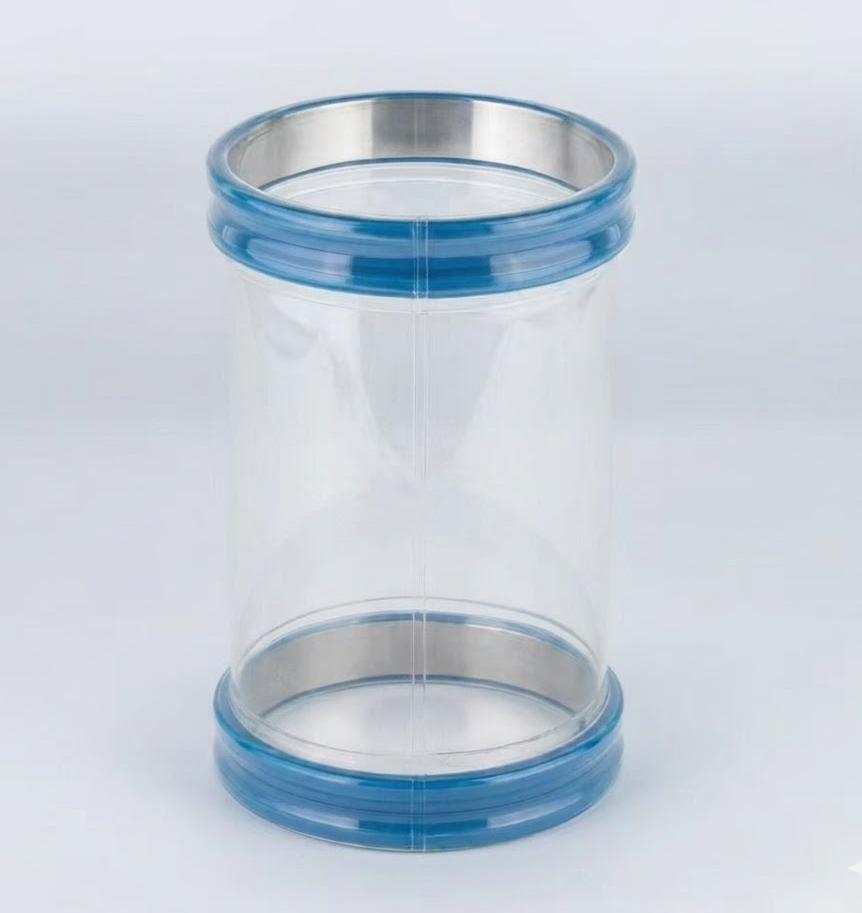
- Optical Transparency: The 100% clear profile allows operators to visually monitor material flow in real-time, instantly detecting blockages or bridging without halting the production line.
soshh-crevice-free-sanitary-internal-clamp-flexible-joint
⚙️ OEM Equipment Integration: Engineering for Motion
Sanitary connectors must maintain their airtight seal while absorbing intense mechanical movement. SOSHH® connectors are specifically engineered to integrate seamlessly with standard OEM processing equipment:
- Vibrating Sifters & Screeners: Our PU sleeves possess exceptional tensile strength and elastic recovery, easily absorbing high-frequency multi-axis displacement without transmitting stress to the surrounding pipework.
- Load Cell Weighing Hoppers: The flexibility of our PU ensures that the connector does not create vertical resistance, guaranteeing ultra-precise batch weighing accuracy.
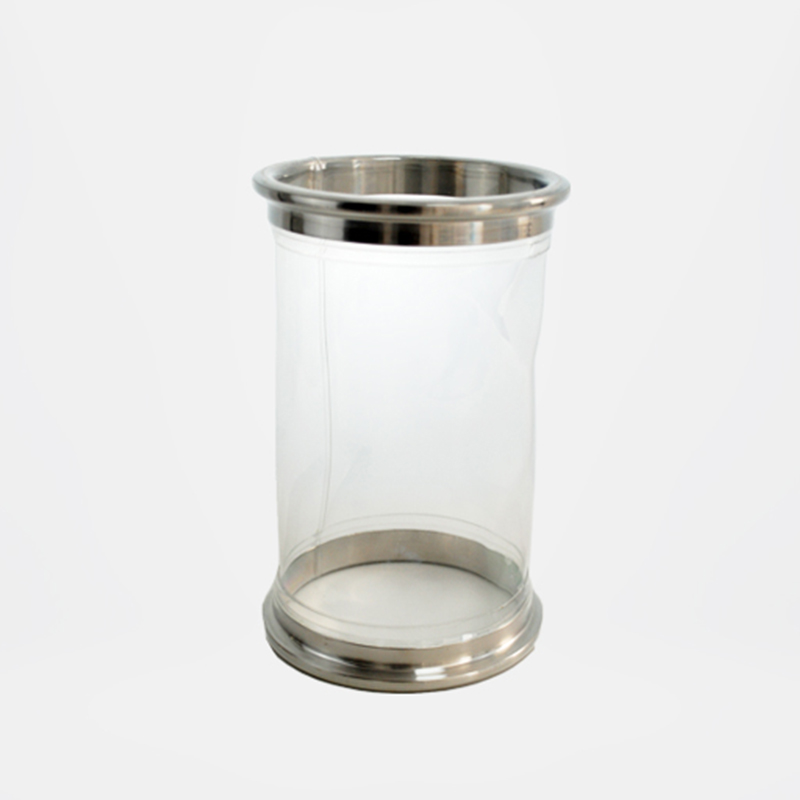
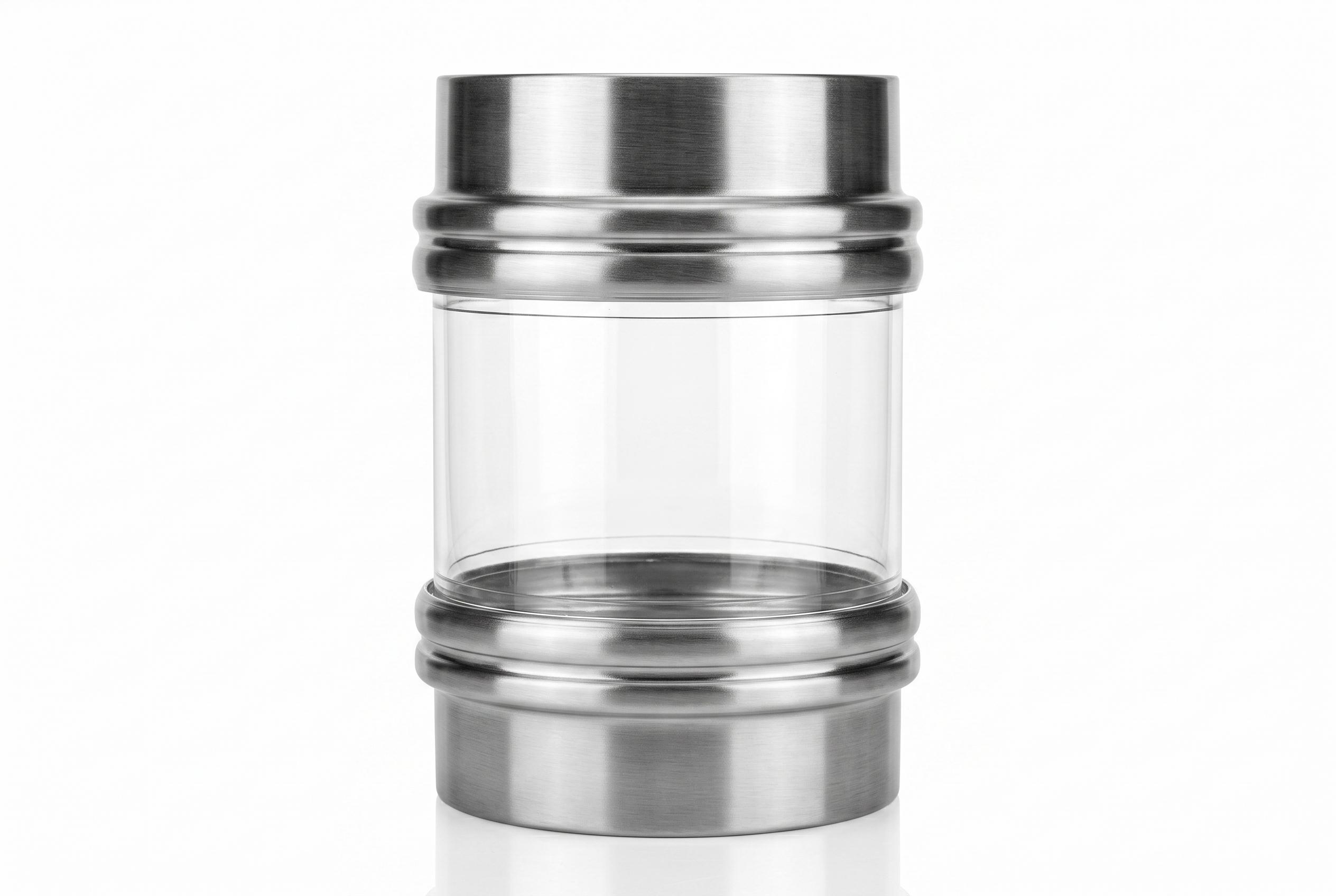
- Tool-Free CIP Changeovers: When paired with our SF Internal Snap-In System or Tri-Clamp (TC) quick-release flanges, maintenance crews can remove, sanitize, and reinstall the connector in under 30 seconds without screwdrivers or wrenches, maximizing plant OEE.
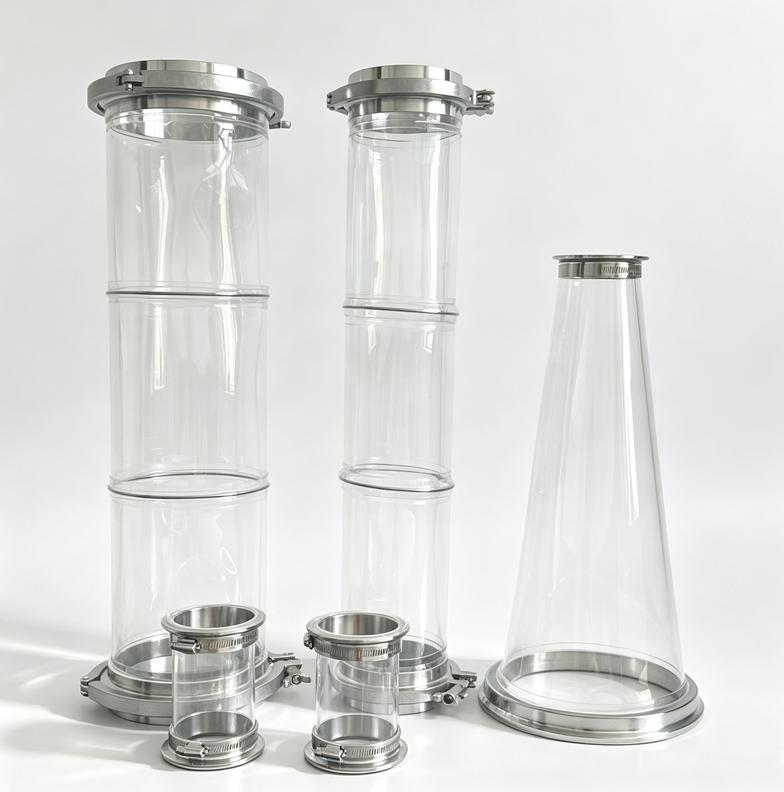 soshh-custom-fda-polyurethane-sleeves-square-to-round
🏭 Source Manufacturer Reliability (Quzhou Hub)
For global EPC contractors and OEM machinery builders, supply chain reliability is paramount. As a direct engineering and manufacturing hub located in Quzhou City, Zhejiang Province, China, SOSHH® eliminates the friction of international procurement:
- Rapid Non-Standard Prototyping: Does your new hopper require a custom square-to-round transition or an eccentric reducer? We fabricate and ship 3D custom PU prototypes within 48 hours.
- Batch Traceability: Every shipment includes complete Material Test Certificates (MTC) and FDA compliance documentation for your facility's regulatory audits.
- Global SWIFT & DDP: We support smooth USD SWIFT wire settlements and offer DDP (Delivered Duty Paid) logistics directly to your factory floor.
📐 Download CAD Specs & Request a Quote
Ensure your next equipment build meets the highest sanitary standards. Click the "Download Spec Sheet" link in our top navigation bar to access standard 2D dimensional guides and 3D STEP CAD files.
Email your pipe Outer Diameter (O.D.) and operating parameters to amin@soshh.com for a formal technical assessment and quotation within 12 hours.
Related Posts