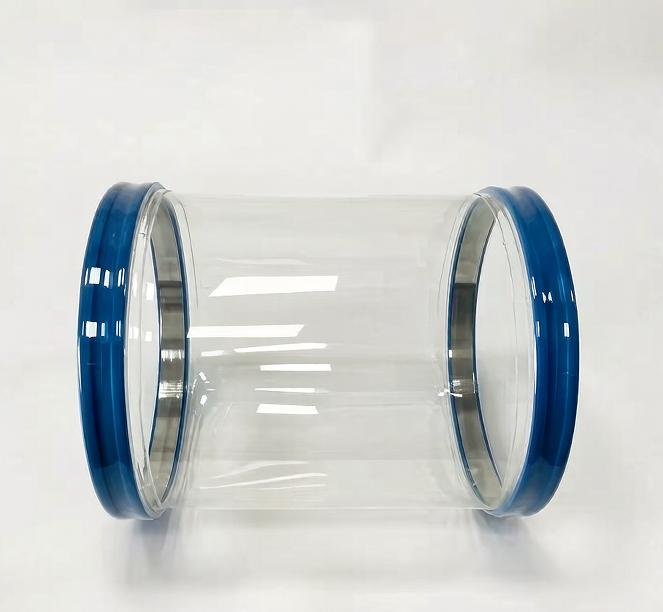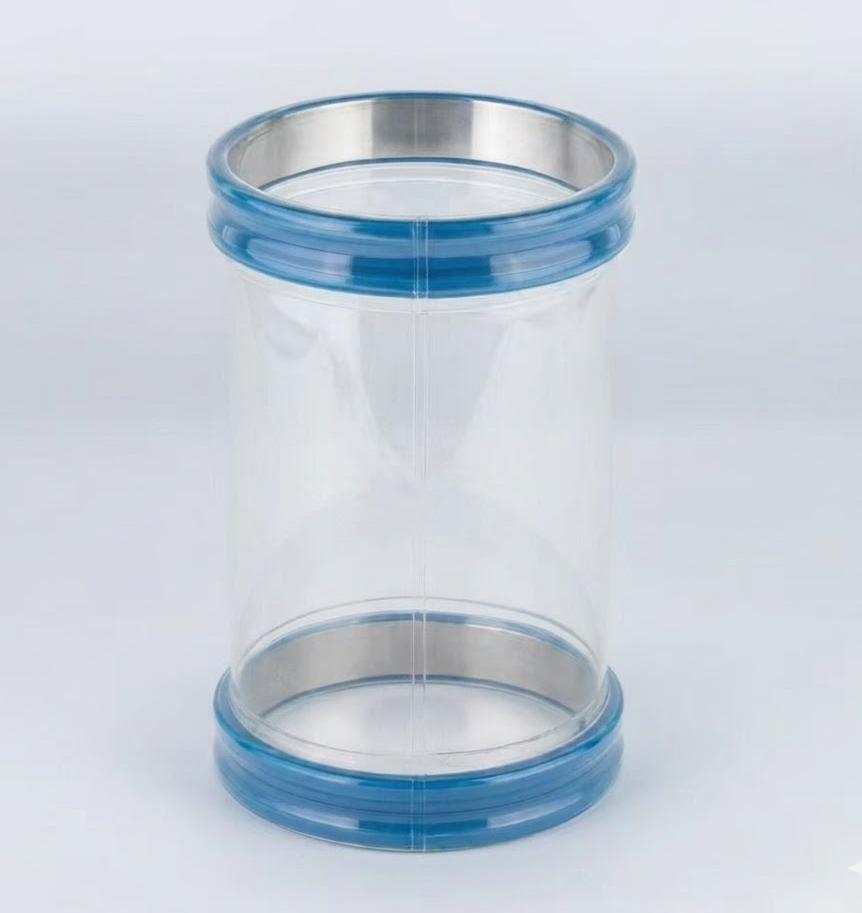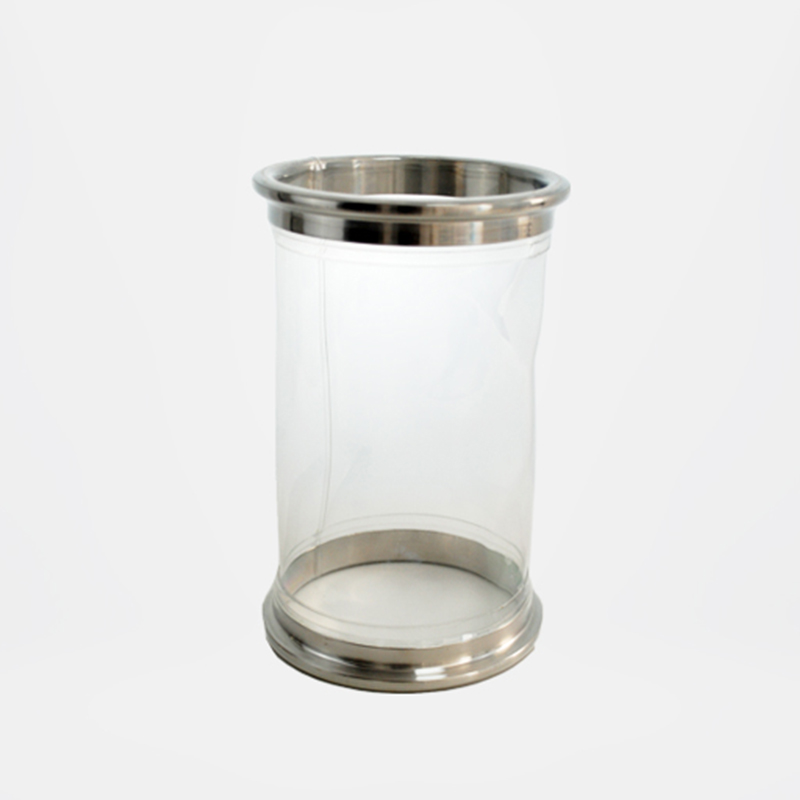




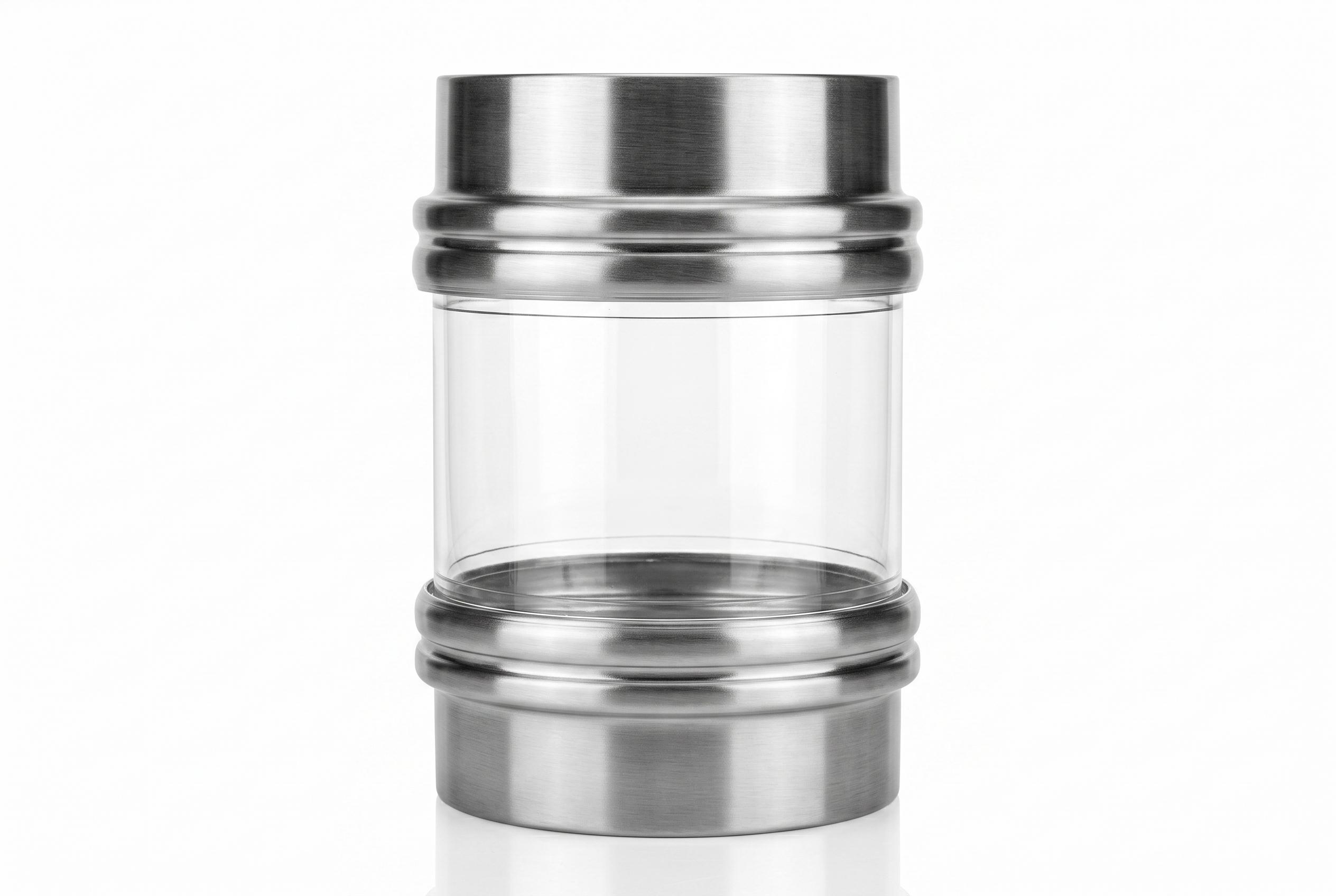
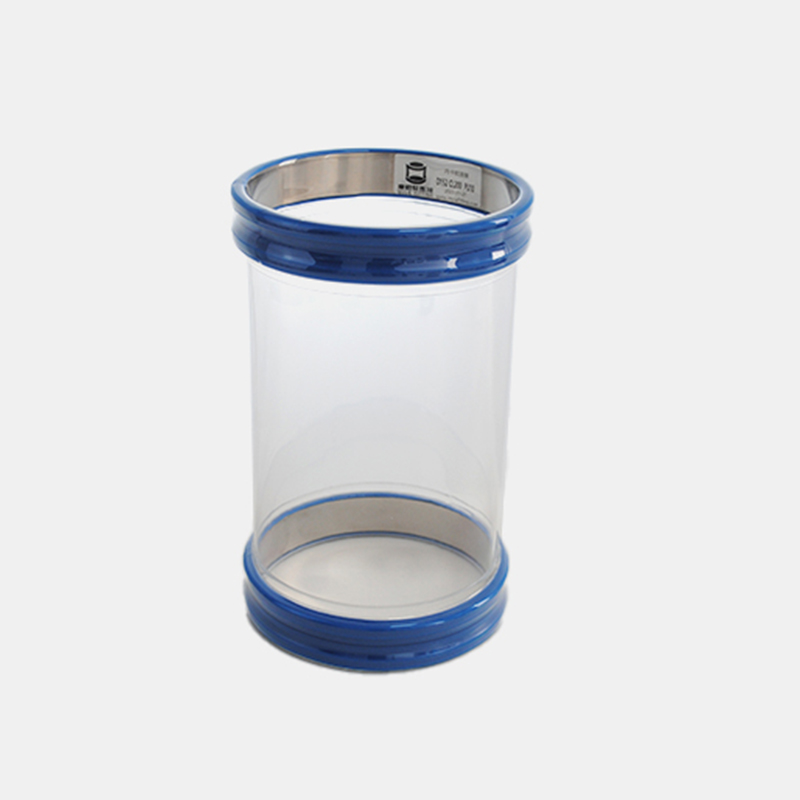
✨ High Transparency Flexible Couplings: The Power of Real-Time Material Flow Visualization
I. The Value Proposition: Visualizing the Invisible
Traditional opaque flexible connectors—made from black neoprene, rigid metals, or standard rubber—create maintenance and quality control blind spots. Operators can only guess what is happening inside. High transparency flexible couplings eliminate this guesswork, offering distinct advantages:
1. Real-Time Flow Monitoring
- Blockage Detection: Instantly spot material bridging, plugging, or arching, allowing operators to intervene before a major production halt occurs.
- Material Uniformity: Observe the color, texture, and consistency of the flowing material (e.g., powder blend, granules) to confirm blend uniformity before downstream processing.
- Flow Dynamics: Visually confirm the desired flow pattern (e.g., mass flow vs. funnel flow) through the connector, which is critical for process analytical technology (PAT) and quality by design (QbD) in regulated industries.
2. Expedited Maintenance and Cleaning
- Visual Inspection for Cleanliness: In hygienic environments (food, pharma), operators can confirm that no product residue or buildup remains after Clean-in-Place (CIP) or manual cleaning. This is crucial for allergen control and microbial risk reduction.
- Wear Confirmation: Visually inspect the connector's interior for signs of abrasion or material fatigue without having to disassemble the connection, scheduling preventative replacement only when necessary.
II. The Engineering Behind High Transparency
Achieving high clarity while maintaining the required industrial properties (flexibility, durability, chemical resistance) requires advanced material selection and fabrication.
2.1 Key Transparent Materials
The most effective materials for transparent flexible couplings are engineered polymers known for their exceptional optical clarity, flexibility, and mechanical strength:
| Material Type | Core Benefits | Typical Applications |
| Transparent Polyurethane (PU) | Exceptional abrasion and tear resistance, high flexibility, often anti-static/ATEX compliant grades available. | Abrasive powders, high-wear environments (e.g., aggregate, minerals, grains). |
| Clear PVC (Polyvinyl Chloride) | Excellent chemical resistance, high rigidity in fittings, good clarity, cost-effective. | Water treatment, chemical dosing, transparent rigid piping systems. |
| High-Grade Transparent Silicone | High-temperature resistance, excellent flexibility, often used in food-grade (FDA/EC) applications. | Baking, high-temperature discharge, hygienic processes where heat is present. |
| PTFE (Polytetrafluoroethylene) Films | Highest chemical inertness, excellent temperature range, non-porous surface for ultra-pure applications. | Corrosive chemicals, pharmaceutical bulk transfer. |
2.2 Design for Clarity and Movement
The best designs couple high transparency with maximum dynamic compensation:
- Smooth Interior Finish: A seamless, polished interior reduces friction and prevents powder adherence, ensuring the clear view is not quickly obscured by buildup.
- Optimized Wall Thickness: Wall thickness is carefully balanced to ensure maximum light transmission for visibility while retaining the structural integrity needed for pressure or vacuum applications.
- Dynamic Bellows/Convolutions: The flexible geometry (bellows or sleeves) allows the connector to absorb vibration and equipment misalignment without causing excessive material stress that could lead to clouding or micro-fractures.
III. Applications Driving Visualization Necessity
While visual monitoring is helpful everywhere, it is essential in regulated and high-risk environments.
- Pharmaceutical Manufacturing: Monitoring wet mass granulation or blending uniformity between equipment ensures the Critical Quality Attributes (CQAs) of the powder are maintained prior to compression.
- Food and Beverage: Checking for sanitation after CIP cycles and instantly detecting foreign objects or incorrect ingredient flow (e.g., allergen cross-contact zones).
- Chemical and Specialty Products: Observing material reaction/color change inside the line and quickly identifying unexpected crystallization or solidification.
- Abrasive Materials: Inspecting flow rate and monitoring internal abrasion patterns in real-time to predict failure and prevent unplanned shutdowns.
IV. Conclusion: From Blind Spot to Smart Spot
High transparency flexible couplings are more than just connections—they are a form of in-line process analytical technology (PAT). By providing an immediate, intuitive view of material flow, they empower operators to make timely, data-informed decisions, fundamentally shifting process control from reactive cleanup to proactive optimization.
Don't operate in the dark. Embrace the clarity that leads to control.
Call to Action
Are your current connectors creating blind spots in your quality assurance program?
Contact our engineering team to explore customized high transparency coupling solutions that meet your flow, compliance, and visualization needs.
Related Posts