



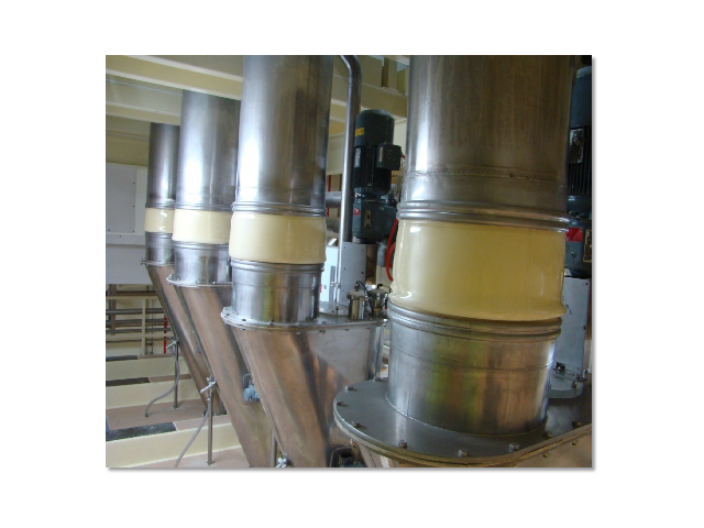
Beyond Dust Control: Achieving 100% Leak-Proof Powder Transfer with Industrial High-Sealing Connectors
I. The Unacceptable Cost of Powder Leakage
In high-stakes industries, powder transfer leaks are not merely a housekeeping issue; they represent significant operational and financial liabilities.
1.1 The Triad of Risk
- Product Loss and Purity: Even minute leaks lead to valuable product loss and, critically, risk cross-contamination in the processing environment (a major concern in cGMP facilities).
- Safety and Compliance: Leakage of fine, combustible dusts (e.g., sugar, flour, certain chemicals) creates a dust explosion hazard (ATEX/NFPA compliance failure).1 Toxic or potent compound leaks pose a direct risk to operator health.2
- Operational Inefficiency: Frequent cleaning, material waste, and the need for constant maintenance checks severely impact overall equipment effectiveness (OEE).
1.2 Why Standard Sleeves Fail
Traditional connectors (simple rubber sleeves, zip-tied hoses) are designed for flow, not high sealing integrity. They often fail due to:
- Improper Clamping: Inconsistent tension leads to gaps.
- Material Fatigue: Constant vibration, pressure changes, and temperature cycles degrade the material, leading to tears and porosity.
- Misalignment: Standard sleeves cannot compensate for the static or dynamic misalignment common between process equipment.
II. Engineering Principles of High-Sealing Connectors
Achieving $100\%$ leak-proof transfer requires specialized connector design focused on three core engineering pillars.
2.1 The Material Science of Containment
The choice of material must withstand the specific conditions of the powder and the process.
- Abrasion Resistance: For materials like silica or minerals, specialized highly wear-resistant Polyurethane (PU) or UHMWPE composites are necessary.
- Chemical/Temperature Inertness: In pharmaceutical or food applications, materials must be FDA/EC 1935 compliant (e.g., Platinum-cured Silicone or specialized PTFE films) to prevent extractables from contaminating the product.
- Anti-Static Properties: Connectors for potentially explosive dusts must be electrically conductive/dissipative to prevent static charge buildup and sparking.
2.2 Design for Dynamic Sealing and Alignment
High-sealing connectors utilize sophisticated geometric designs to manage movement and pressure fluctuations.
- Compensating Motion: Connectors feature convolutions, bellows, or multi-layer construction to absorb vibration, pulsation, and slight misalignment ($X$, $Y,$ and $\theta$ movement) without compromising the seal.
- Pressure Management: Specialized designs are rated for positive and negative pressure (vacuum) transfer, preventing both blowout and inward collapse—a common failure point.
2.3 The Critical Role of High-Integrity Clamping
The sealing mechanism at the flange is paramount. True high-sealing systems replace standard hose clamps with engineered solutions:
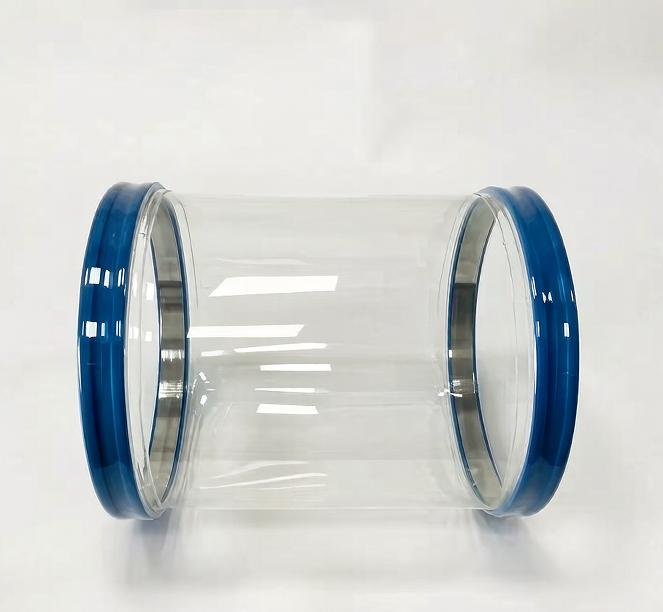
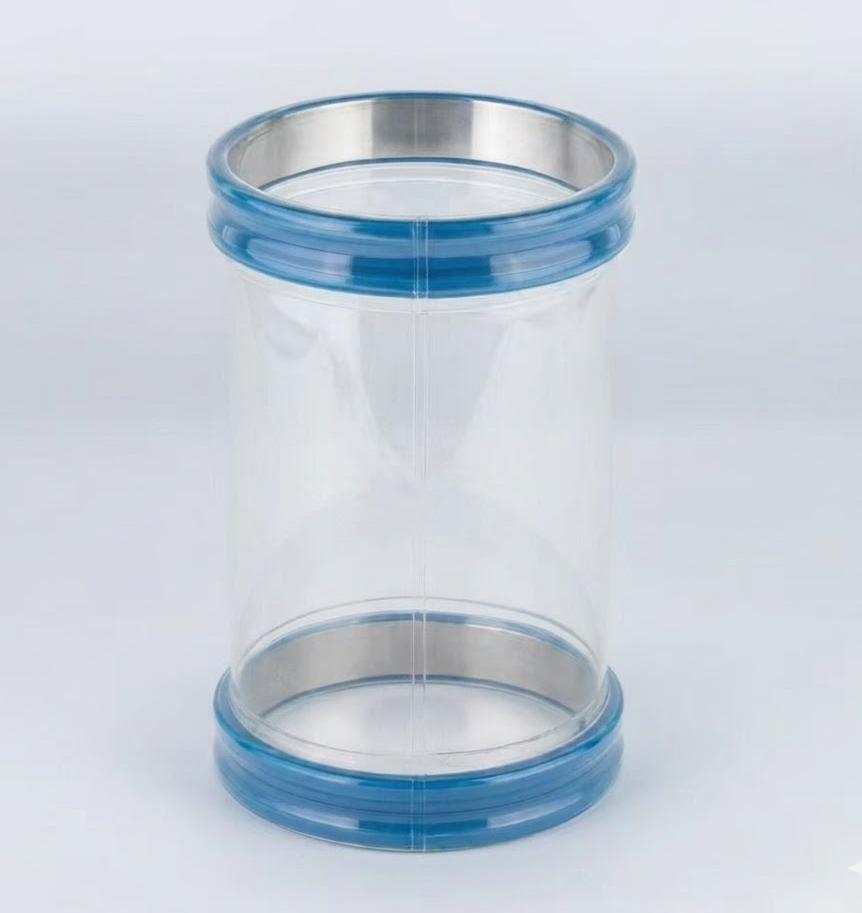
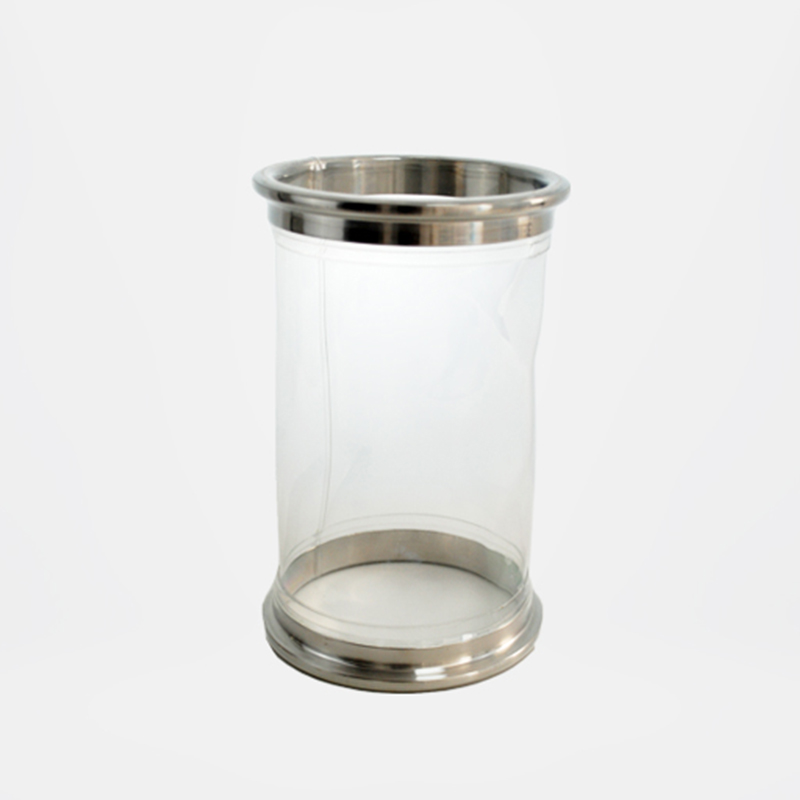
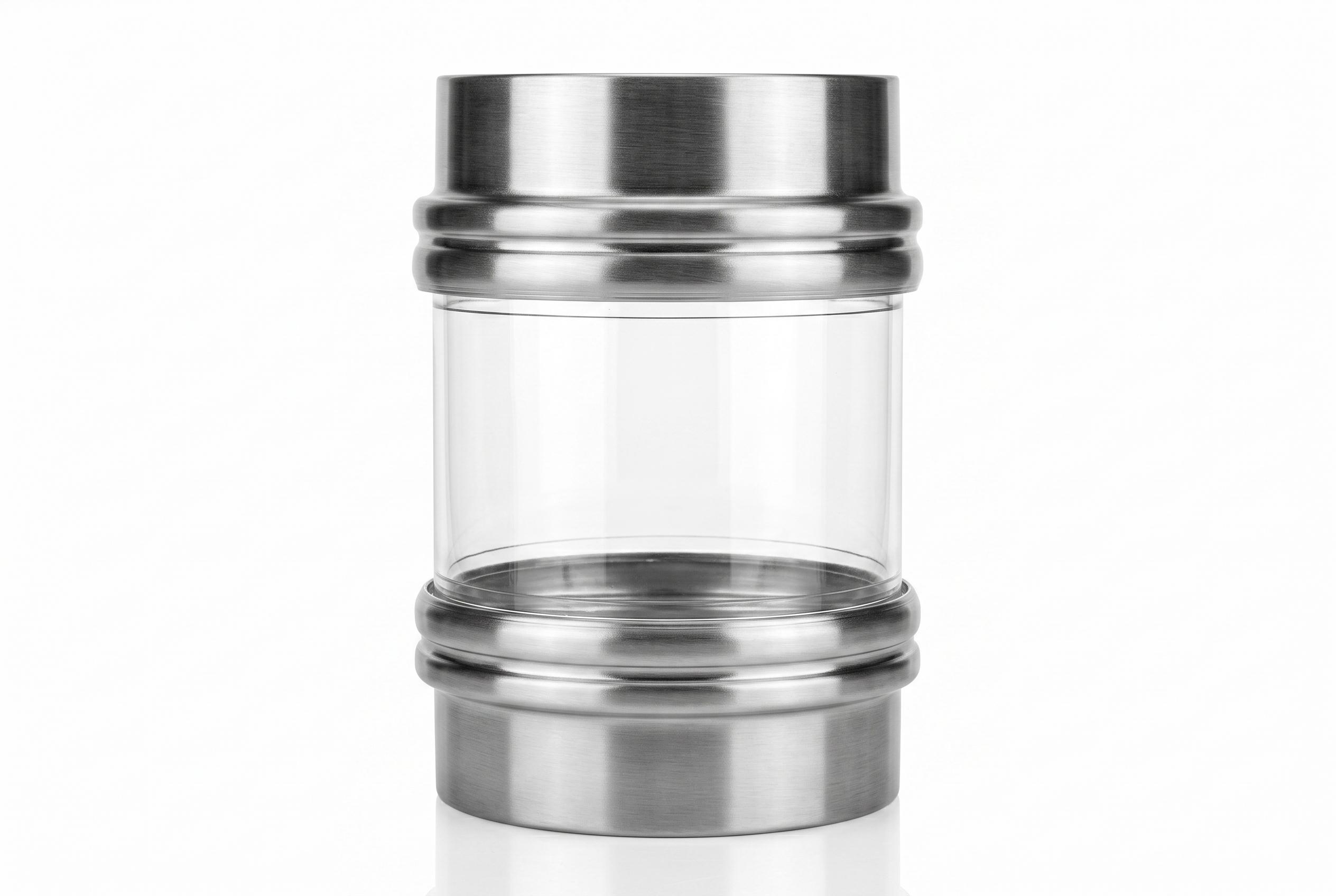
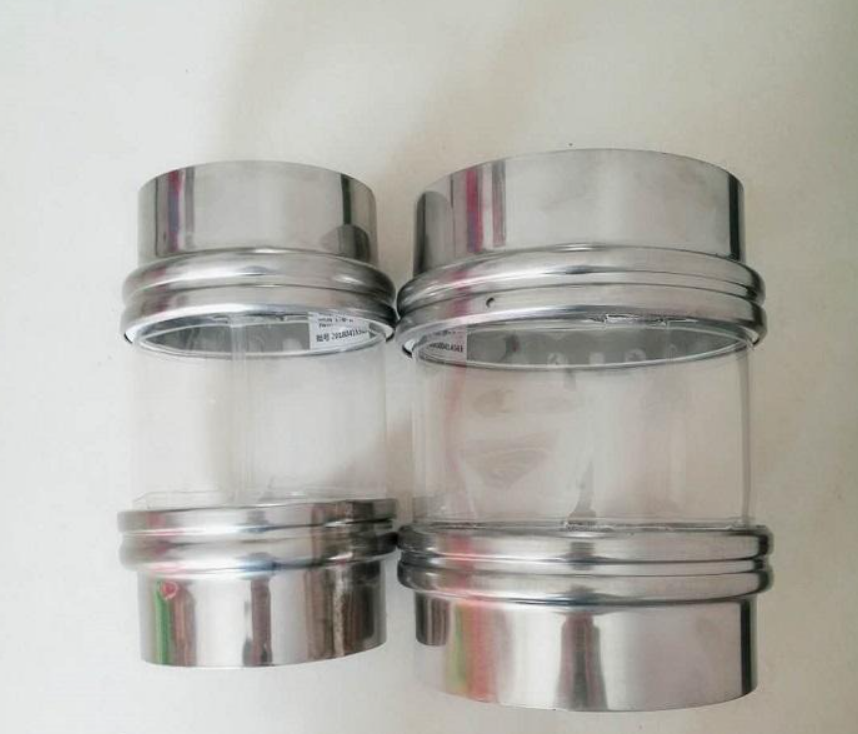
- Integrated Flanges: The connector is often permanently welded or vulcanized to a rigid flange (e.g., stainless steel) that bolts directly to the equipment, eliminating the weakest link (the clamp-to-material joint).
- O-Ring or Gasket Seals: Systems often incorporate dedicated internal O-rings or flat gaskets, compressed by the flange, to create a redundant sealing layer.
Call to Action
Ready to upgrade your powder transfer integrity and eliminate dust leakage?
Consult with our engineering specialists today to design and specify the perfect high-sealing connector for your most critical process lines.
Related Posts