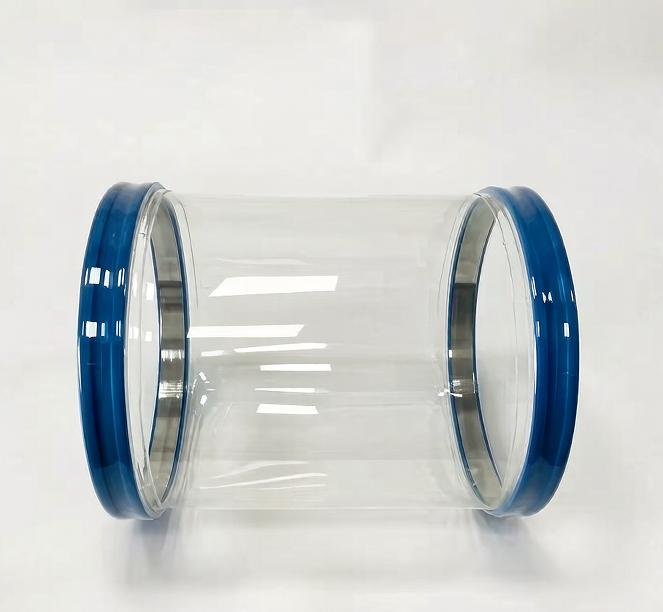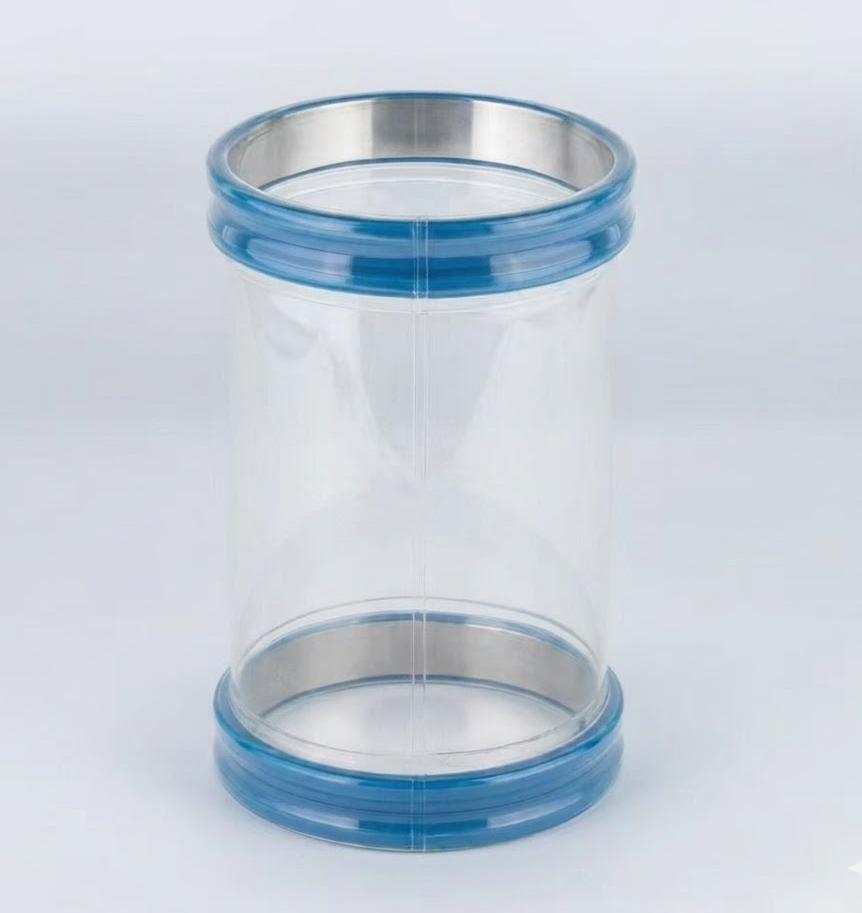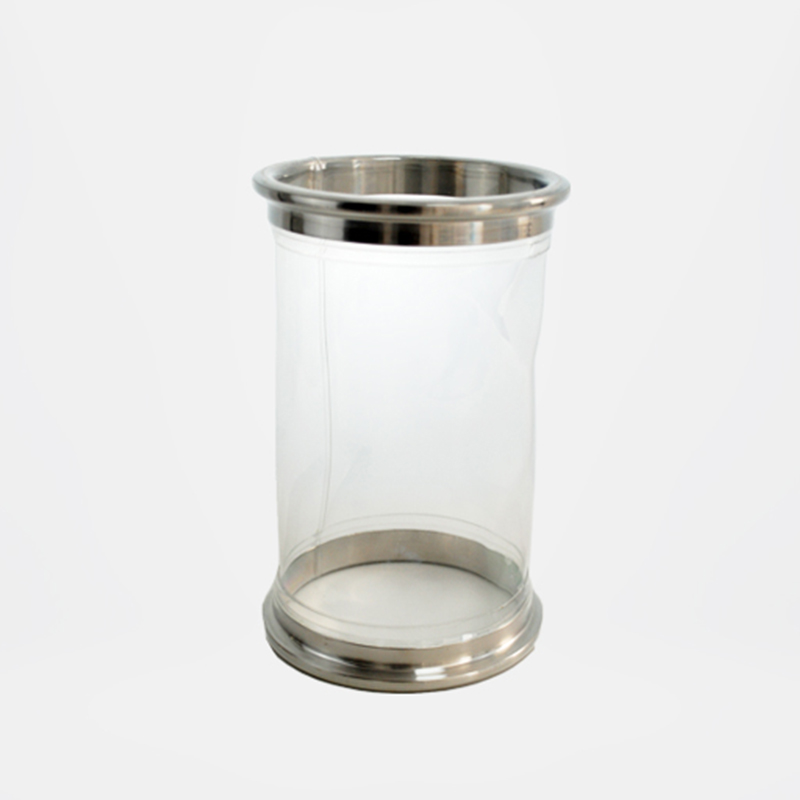




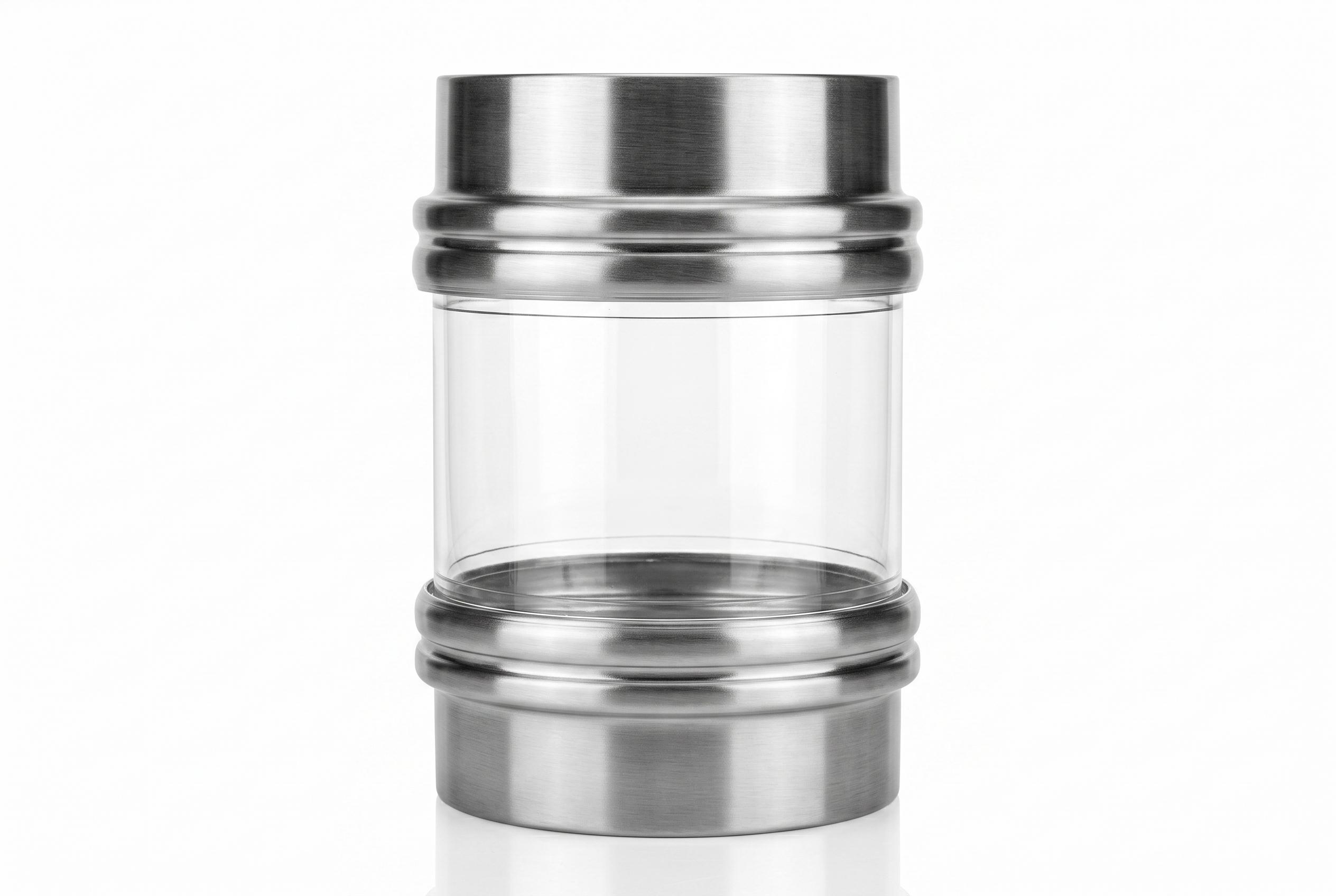
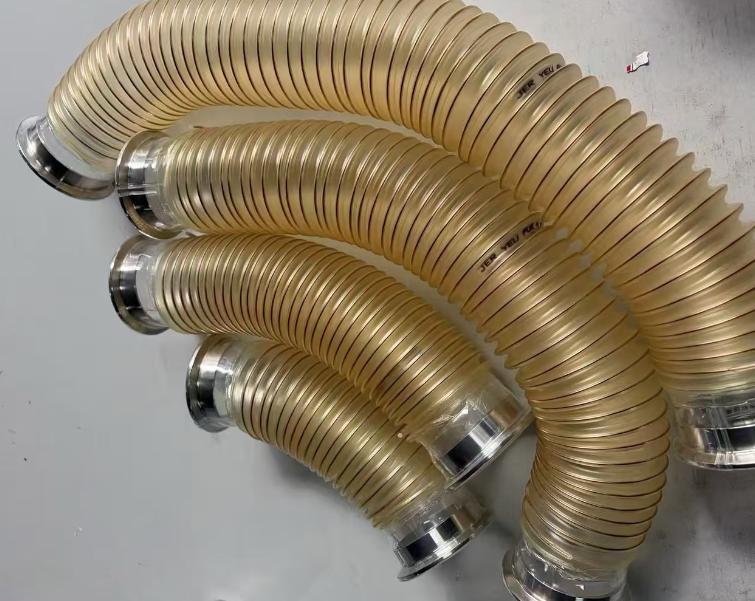
Antistatic TPU Flexible Connectors: Essential Components for Explosion-Proof Chemical Processing
Why Antistatic Materials are Non-Negotiable in ATEX Zones
When dealing with combustible powders, additives, or fine chemical raw materials, the conductivity of your connection points is a primary safety concern.
- Static Dissipation (ESD Protection): Our PUAS series connectors feature a surface resistance of $<10^9 \Omega$, providing a dedicated path to ground. This effectively dissipates charge buildup and eliminates the risk of electrostatic discharge (ESD).
- Extreme Chemical Immunity: For environments involving aggressive solvents or high temperatures, the TE02AS (Conductive PTFE) series offers superior performance with a surface resistance of $<10^6 \Omega$ and thermal resistance up to 300°C.
- Containment & Hygiene: Beyond safety, these connectors utilize a Hot Melt bonding process, ensuring a crevice-free internal surface that prevents powder buildup and leakage, further reducing the risk of dust clouds coming into contact with potential ignition sources.
Material Selection Matrix
To ensure your facility meets safety standards (such as ATEX or GMP), choose the right material based on your specific operational constraints:
| Material Code | Material Type | Surface Resistance (Ω) | Temp. Range (∘C) | Key Advantage |
| PUAS | Antistatic TPU | $<10^9$ | -20 ~ 110 | High transparency & wear resistance |
| TE02AS | Conductive PTFE | $<10^6$ | -40 ~ 300 | Superior chemical & heat resistance |
| PU10 | Standard TPU | $>10^{12}$ | -20 ~ 110 | General-purpose, non-hazardous areas |
Installation Golden Rules for Safety
High-quality materials are only effective when installed correctly. Follow these best practices to maintain a safe production line:
- Equipotential Grounding is Critical: Always ensure that the metal clamps or connecting pipes at both ends of the flexible connector are equipotentially bonded (grounded). The antistatic material can only dissipate charge if it is part of a closed conductive circuit.
- Avoid Over-Stretching: Ensure the connector has sufficient slack for machine movement. Continuous high-tension strain can lead to material fatigue and compromise the structural integrity required for conductive continuity.
- Routine Maintenance: For high-vibration applications (e.g., vibratory screen outlets), inspect clamp torque quarterly. Loose connections can create gaps that may lead to micro-arcing.
Conclusion
In modern chemical production, safety is the cornerstone of efficiency. Upgrading to Antistatic TPU Flexible Connectors is an essential investment in the fundamental safety of your facility. By selecting the correct antistatic grade, you proactively mitigate the risk of dust explosions and ensure a compliant, reliable production environment.
Is your facility ready for an antistatic safety upgrade? If you need technical support or a material compatibility analysis for specific chemical powders, contact our engineering team today.
Related Posts