



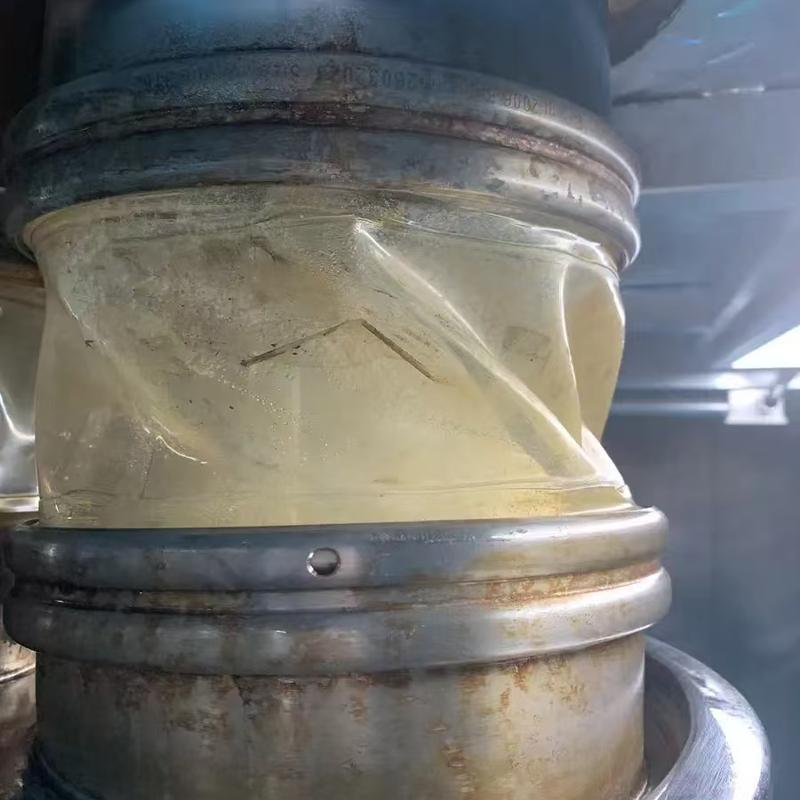
Flexible Connectors for Vibrating Sifters: The Ultimate Guide to Preventing Dust Explosions and Material Leakage
Why Standard Sleeves Fail in High-Vibration Environments
Vibrating sifters operate through high-frequency oscillations. When you connect rigid or low-grade flexible components to these machines, you create a recipe for failure:
- Material Fatigue: Standard elastomers quickly develop micro-fissures due to constant mechanical stress.
- Product Leakage: Once a crack forms, fine powders escape into the plant environment, creating a "dust cloud"—the primary fuel for an industrial explosion.
- Static Accumulation: Non-conductive materials act as insulators. As powder flows, friction generates electrostatic charges that cannot escape, leading to high-energy static discharges (sparks).
The ATEX Compliance Requirement: Conductivity is Non-Negotiable
If your facility handles combustible dusts (e.g., sugar, flour, chemicals, or metal powders) in ATEX-rated zones (Zone 20, 21, or 22), your choice of flexible connector is governed by strict safety regulations.
Key Selection Criteria:
- Surface Resistivity ($\le 10^9 \Omega$): This is the gold standard for antistatic safety. At Soshh, we prioritize Antistatic Polyurethane (PUAS), which provides permanent conductivity. Unlike surface coatings that wear off, the antistatic properties are infused into the material structure.
- Elongation-at-Break: For sifter applications, look for a material with an elongation capacity of >600%. This ensures the connector flexes with the machine without ever reaching its breaking point.
- Regulatory Standards: Ensure your components are certified under ATEX 2014/34/EU and, if applicable, comply with FDA/EC 1935/2004 for food and pharmaceutical safety.
Engineering the Perfect Seal: Soshh’s Approach
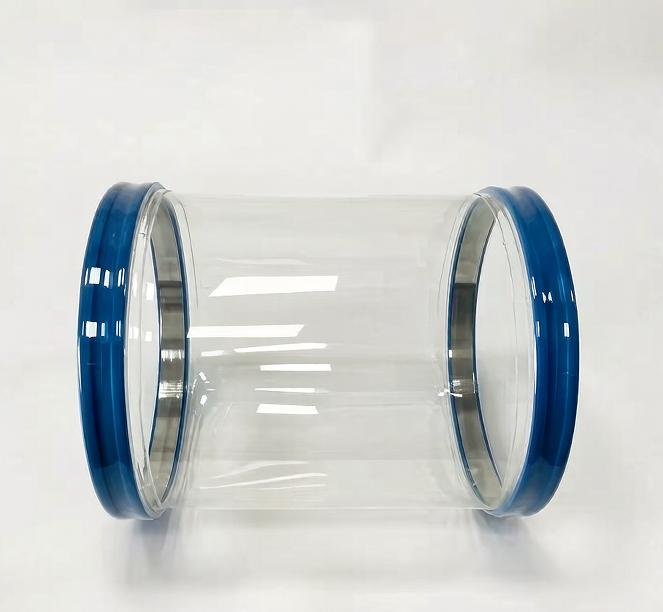
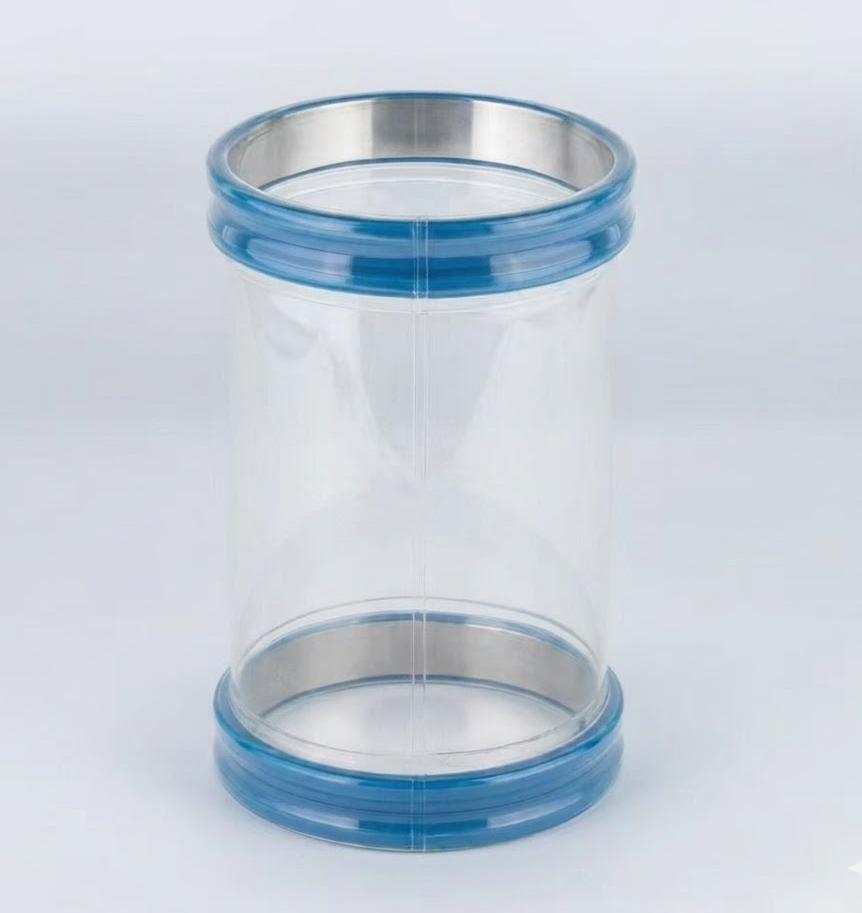
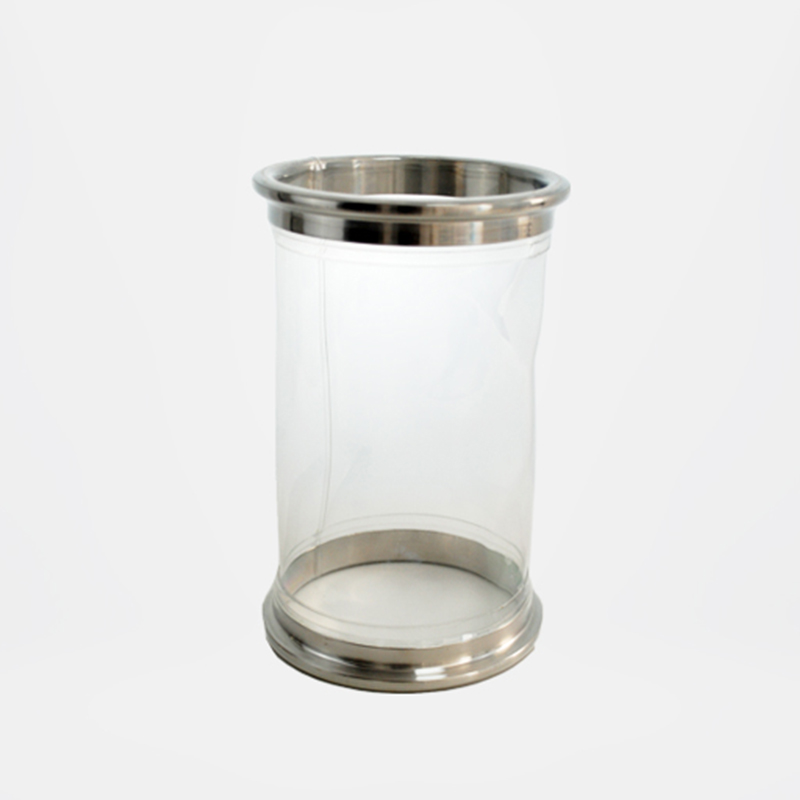
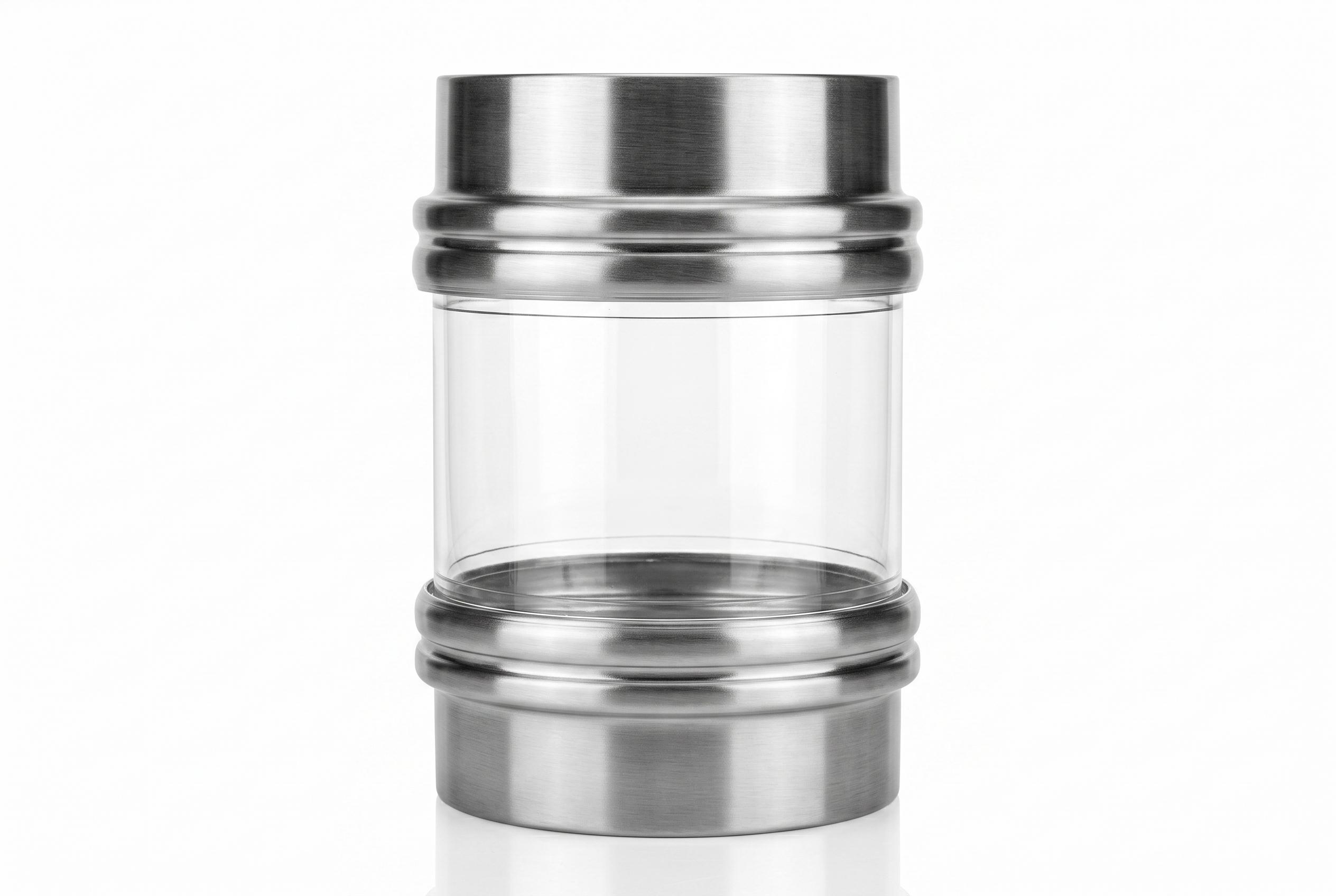
At Soshh.com, we specialize in high-durability, antistatic flexible connectors designed specifically for the rigors of powder handling. Our design philosophy focuses on:
- Precision-Molded Geometry: Ensuring a leak-free seal that prevents powder trapping and bacterial buildup.
- Fatigue-Resistant PUAS: Engineered to maintain elasticity even after millions of vibration cycles.
- Grounding Continuity: Our connectors are designed for seamless integration with metal flanges, ensuring the entire pipework system remains grounded.
Quarterly Maintenance Checklist for Plant Engineers
To maintain ATEX compliance and prevent unplanned downtime, we recommend a quarterly maintenance protocol:
- Visual Inspection: Check for signs of hardening or micro-cracks in the PU material.
- Grounding Continuity Test: Use a multimeter to measure the electrical resistance from the top flange to the bottom flange. It should remain consistent with the manufacturer’s technical data sheet (TDS).
- Clamp Inspection: Ensure clamps are snug but not overtightened, which can cause stress fractures at the sleeve’s neck.
Conclusion: Don’t Let Your Connections Become Your Weakest Link
Safety in bulk powder handling is about managing risks before they become incidents. By upgrading to antistatic PU flexible connectors, you protect your personnel, ensure regulatory compliance, and significantly reduce operational downtime.
Ready to enhance your plant’s safety?
[Contact the Soshh Technical Team today] to receive our comprehensive Antistatic Connector Selection Manual and find the perfect fit for your specific vibrating sifter model.
Related Posts