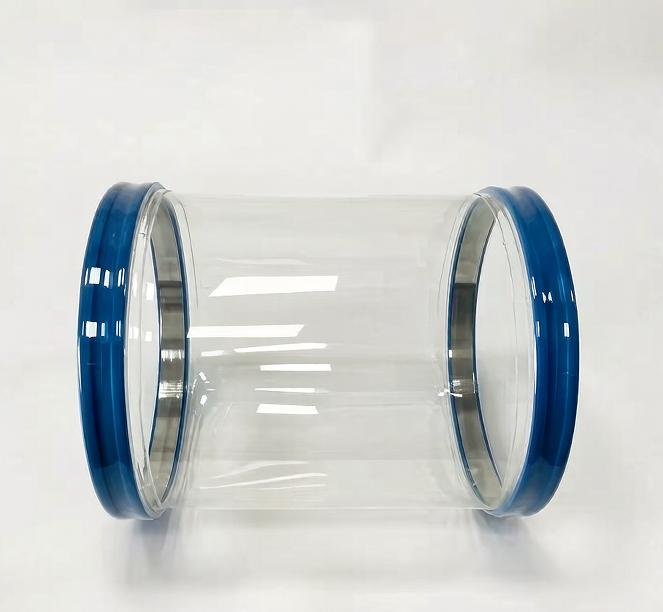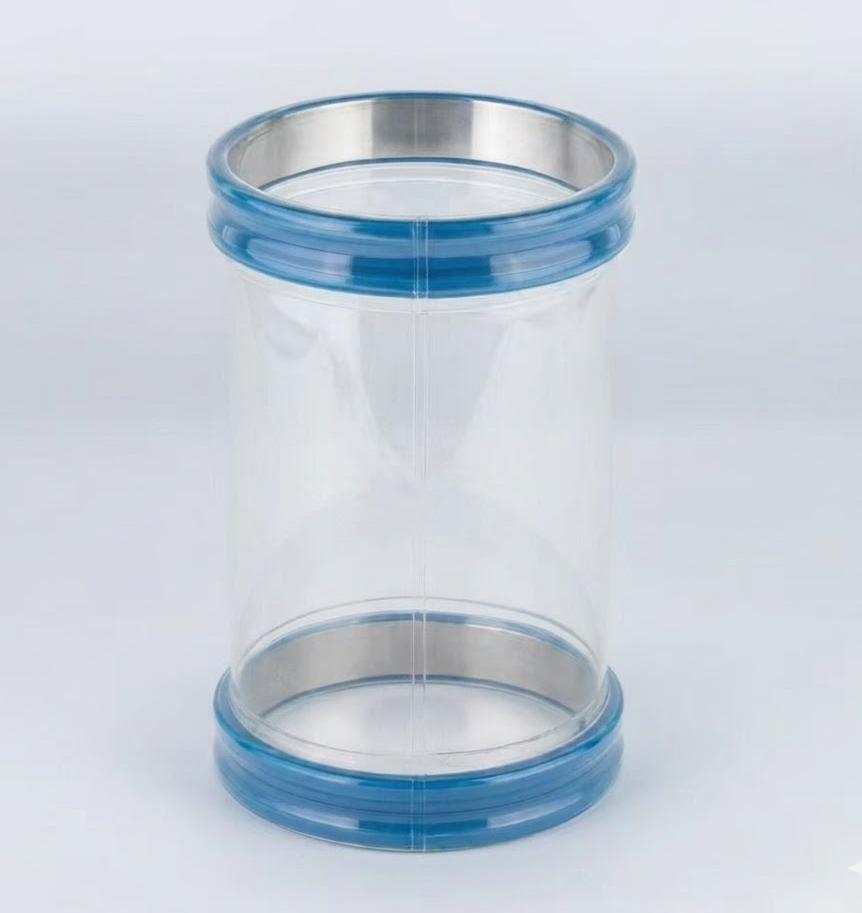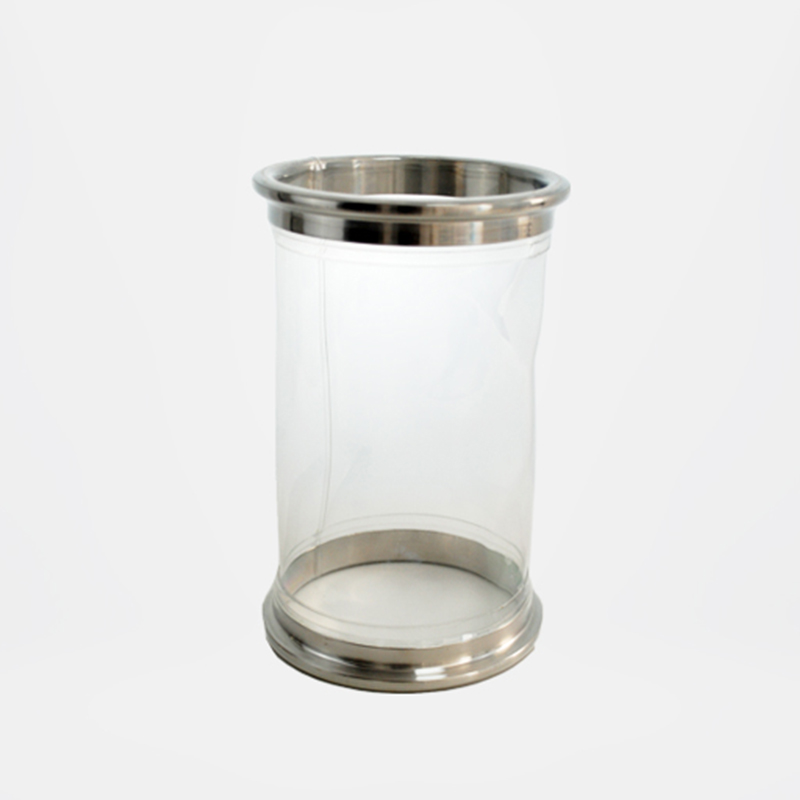




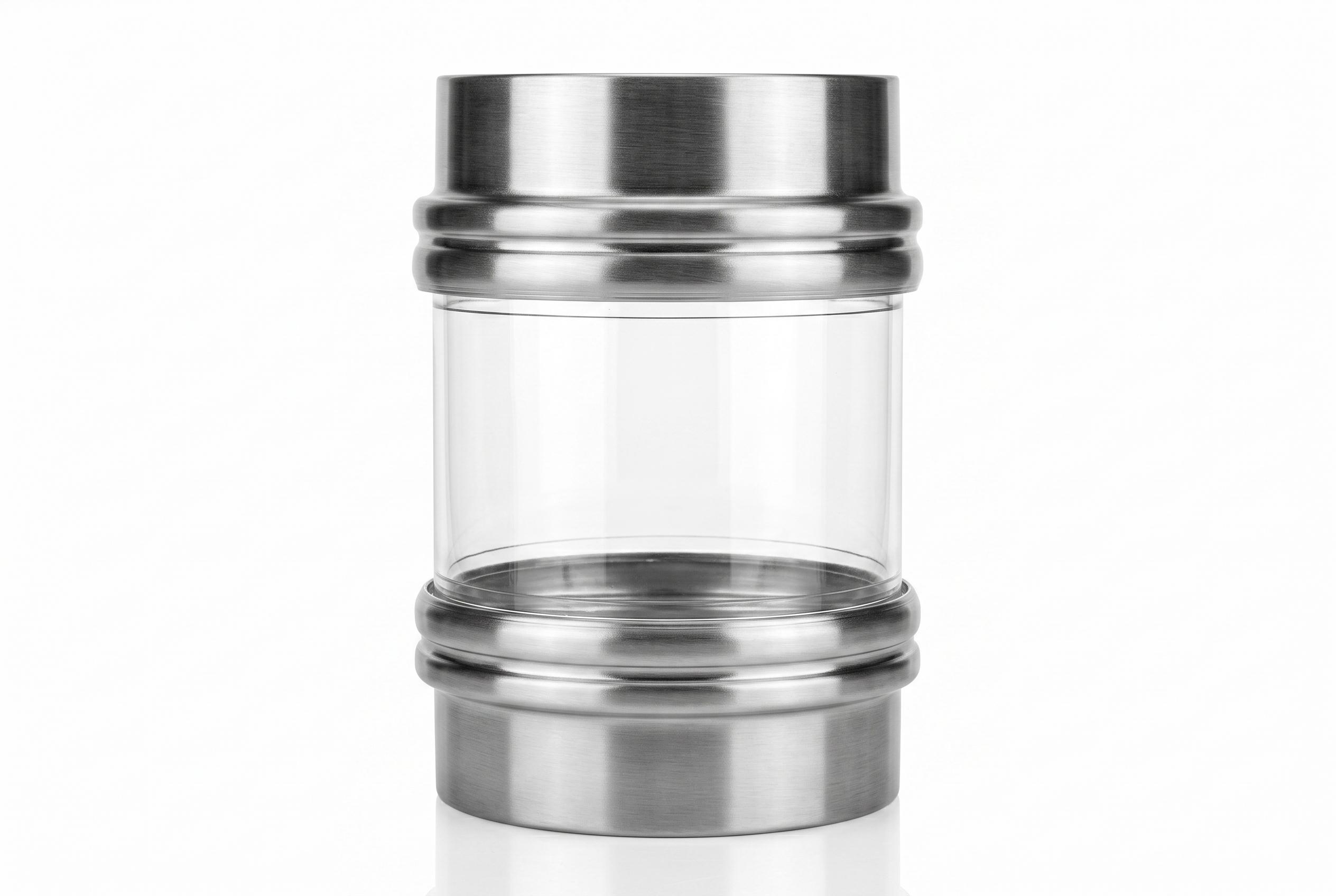
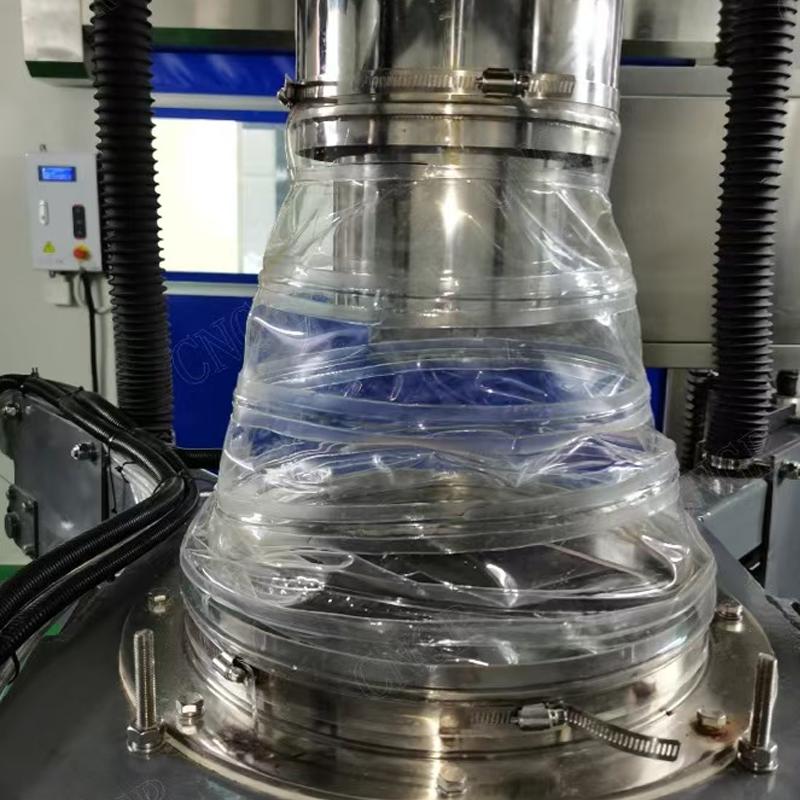
Flexible Connectors for Vibrating Sifters The Ultimate Guide to Preventing Dust Explosions and Material Leakage
Why Standard Connectors Fail in High-Vibration Environments
Vibrating sifters operate through high-frequency, high-amplitude oscillations. Standard rubber, PVC, or generic sleeves are not designed for this dynamic stress. Over time, they experience:
- Material Fatigue: Micro-cracks form at the connection points, leading to leaks.
- Dust Cloud Formation: Leakage turns into suspended dust. In an ATEX zone, this cloud is the primary fuel for a catastrophic explosion.
- Static Accumulation: Non-conductive materials act as insulators. As powder flows, friction generates electrostatic charges that cannot escape, leading to dangerous high-energy static discharges (sparks).
The Golden Standard: ATEX Compliance and Conductivity
If your sifter operates in an ATEX-rated zone (Zone 20, 21, or 22), compliance is non-negotiable. To ensure safety and regulatory audit success, prioritize these three selection criteria:
1. Conductivity is Critical
Your connector must have a surface resistivity of $\le 10^9 \Omega$. We recommend Antistatic Polyurethane (PUAS). Unlike surface-coated connectors, PUAS maintains its conductivity throughout its entire lifespan, even after heavy wear from abrasive powders.
[Image Placeholder: Antistatic vs non-conductive material surface resistivity test diagram]
2. Mechanical Flexibility and Fatigue Resistance
Look for connectors with a high elongation-at-break (e.g., >600%). This ensures that as the sifter moves, the connector flexes without developing the micro-fissures that allow dust to escape into your plant environment.
3. Food and Pharmaceutical Compliance
If you handle food or medicine, ensure your connectors meet FDA or EC 1935/2004 standards. High-quality PUAS provides both antistatic safety and food-grade compliance, eliminating the need for separate inventory.
Maintenance Checklist for Operational Excellence
To maintain your ATEX compliance and prevent unplanned downtime, implement this quarterly protocol:
- Grounding Continuity Test: Use a multimeter to measure the resistance from the top flange to the bottom flange. It should remain consistent with the manufacturer’s technical data sheet (TDS).
- Visual Inspection: Look for signs of hardening or surface micro-cracking.
- Clamp Tension: Avoid over-tightening. Excessive torque can deform the connector and create stress concentrations that lead to premature tearing.
[Image Placeholder: Cross-section of antistatic polyurethane flexible connector design showing flange connection]
Why Soshh.com? Engineering Safety Into Every Connection
At Soshh, we don’t just supply parts; we provide explosion-mitigation solutions. Our antistatic PU flexible connectors are engineered to deliver:
- Permanent Conductivity: Zero degradation over time.
- Precision-Molded Geometry: Ensuring a leak-free seal that prevents product trapping.
- Global Compliance: Tested and certified to meet the world’s most stringent safety standards.
Conclusion
Selecting the right flexible connectors for vibrating sifters is an investment in your plant’s longevity and safety. Don't wait for a safety audit or a leak to realize your current setup isn't up to the task.
Ready to upgrade your plant safety?
[Contact the Soshh Technical Team today] to receive our Antistatic Connector Selection Manual and find the perfect fit for your specific machinery.
Related Posts