




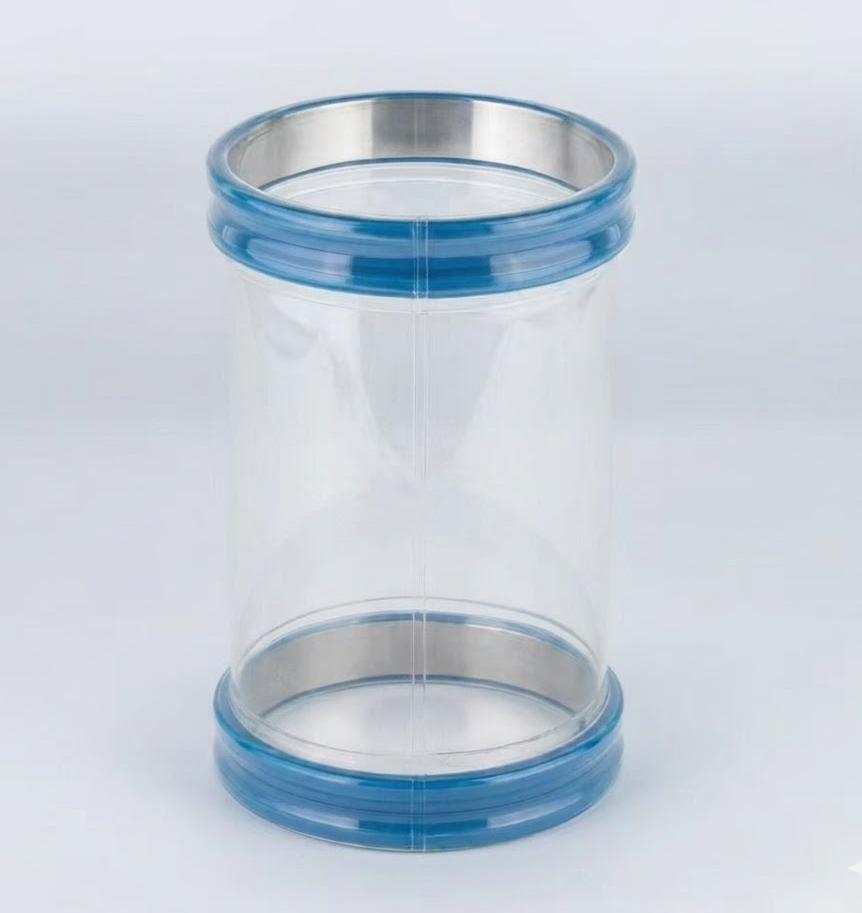
Permanent Anti-Static TPU Connectors (10⁶ to 10⁹ Ohm): Preventing ATEX Dust Explosions
Permanent Anti-Static TPU Connectors (10⁶ to 10⁹ Ohm): Preventing ATEX Dust Explosions
⚡ Executive Summary for Process Engineers
- Dust Explosion Risk Elimination: Safely dissipates electrostatic charges generated by high-velocity powder friction, eliminating spark ignition sources in ATEX Zone 20, 21, and 22 combustible dust environments.
- Ideal Surface Resistivity: Precision-controlled within the 10⁶ to 10⁹ Ω/sq dissipative sweet spot, draining charges steadily to ground without hazardous sudden arcing.
- Permanent Molecular Anti-Static: Conductive polymers compounded directly into the polyether-TPU molecular backbone; never washes off during CIP/SIP or wears away under abrasive powder flow.
- Eliminates Fragile Grounding Wires: The flexible sleeve body serves as the electrical bridge, solving grounding failures caused by broken external copper jumper wires on vibrating sifters.
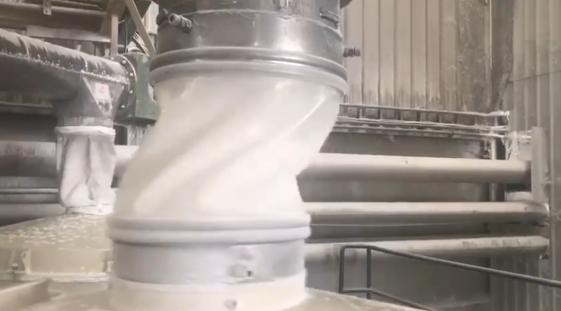
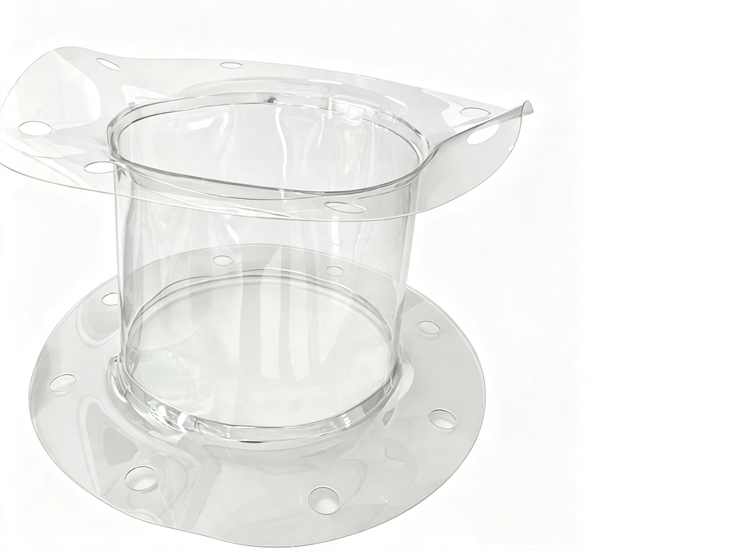
Fig 1. SOSHH permanent anti-static TPU flexible sleeve installed on a powder transfer line.
In high-throughput pneumatic conveying, vibratory sifting, and bulk powder packaging lines, electrostatic discharge (ESD) represents one of the most critical yet frequently overlooked ignition risks. As dry bulk solids—such as infant formula, starch, sugar, plastic resins, sulfur, toner, and battery active materials (NCM/LFP)—flow at high velocities, continuous friction against non-conductive piping walls generates severe triboelectric charging.
Without an engineered electrostatic dissipation pathway, static potentials on the flexible sleeve wall can quickly exceed 20,000 to 30,000 Volts. This easily surpasses the Minimum Ignition Energy (MIE) required to ignite airborne combustible dust clouds, posing a severe explosion hazard to the entire facility.
This technical guide explains the electrostatic mechanics of bulk powder flow, how to specify surface resistivity (10⁶ to 10⁹ Ω), and why modern sanitary processing lines are eliminating external copper grounding wires in favor of .SOSHH Permanent Anti-Static TPU Connectors.
1. The Physics of Powder Friction: Why Standard Sleeves Cause Dust Explosions
Standard industrial flexible sleeves manufactured from conventional silicone, PVC, or natural rubber are electrical insulators with surface resistivity exceeding 10¹² Ω/sq. During continuous powder handling:
Triboelectric Charge Accumulation
Millions of powder particles collide with the inner sleeve wall, continuously transferring electrons and generating substantial charge separation.
High-Voltage Isolation
Because insulating materials cannot conduct electrons to the grounded metal piping, massive electrostatic potential accumulates on the connector surface.
Propagating Brush & Spark Discharges
When the electrical field strength exceeds the breakdown voltage of air (approx. 3 kV/mm), an energetic spark discharges to the nearest grounded frame or operator. If this discharge energy exceeds the dust's Minimum Ignition Energy (MIE)—often below 1 to 10 mJ for fine organic powders—it immediately triggers a devastating primary dust explosion inside the ducting.
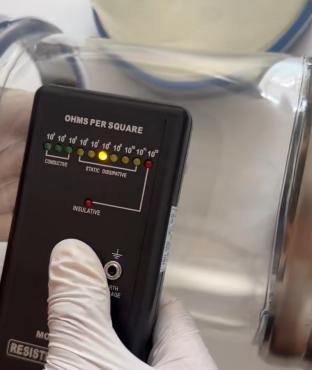
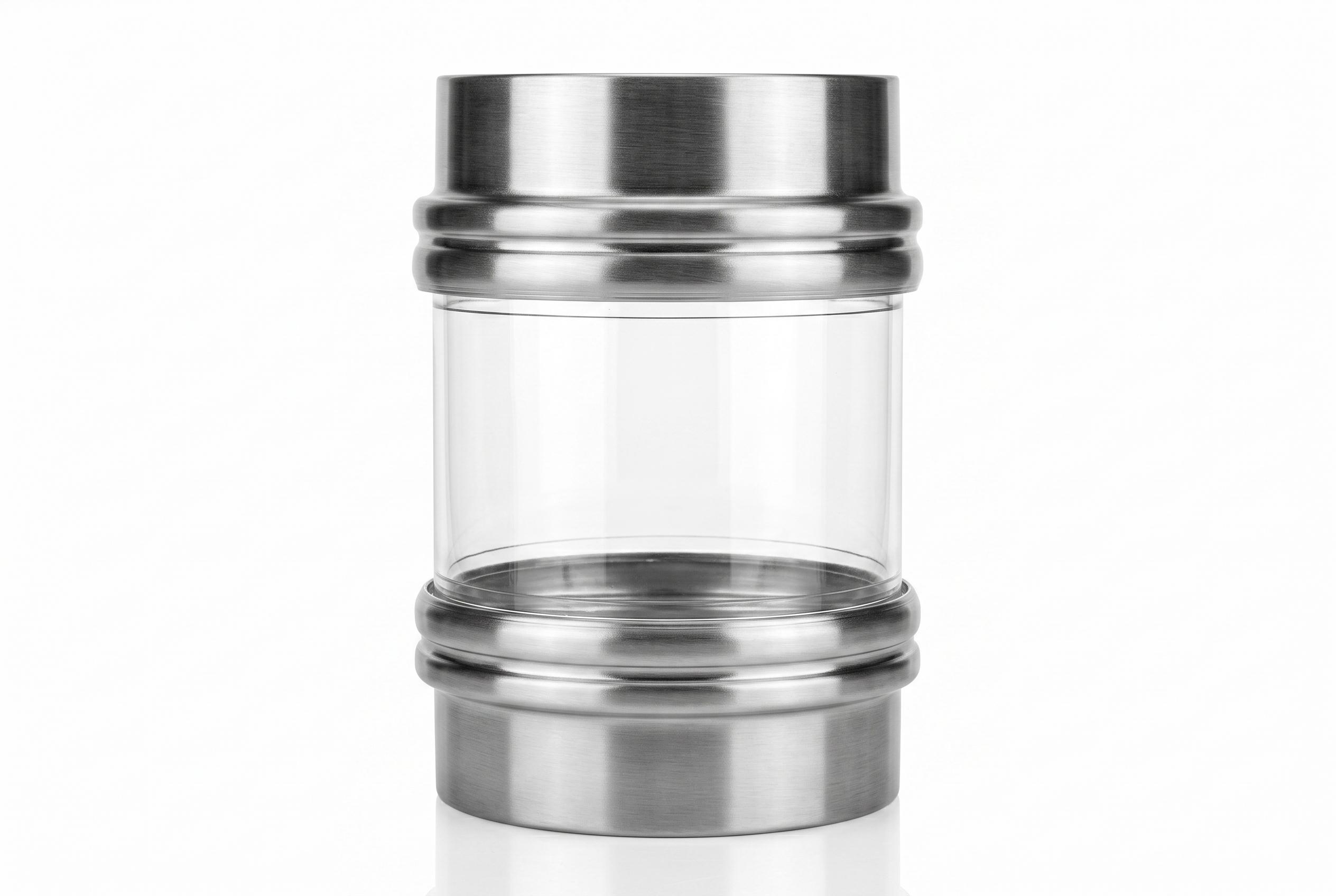
- Fig 2. Calibrated surface resistivity testing verifying the 10⁸ to 10⁹ Ω static dissipative range.
2. Understanding Surface Resistivity: The 10⁸ to 10⁹ Ω Dissipative "Sweet Spot"
According to IEC 60079-32-2 (Electrostatic hazards) and NFPA 77 (Recommended Practice on Static Electricity), flexible connector materials are classified into three distinct electrical categories:
Category 1: Insulative Materials (Standard Silicone / PVC)
- Surface Resistivity: Greater than 10¹¹ Ω/sq
- Electrostatic Behavior: Charges remain trapped indefinitely, creating extreme spark hazard.
- ATEX Compliance: PROHIBITED in ATEX Zone 20/21 for combustible dusts.
Category 2: Static Dissipative Materials (SOSHH Anti-Static TPU)
- Surface Resistivity: 10⁸ to 10⁹ Ω/sq
- Electrostatic Behavior: Controlled, continuous charge bleeding to earth with zero spark risk.
- ATEX Compliance: THE GLOBAL STANDARD (Optimal for food, pharma, and chemical powders).
Category 3: Conductive Materials (Carbon-Loaded Polymers)
- Surface Resistivity: Less than 10⁵ Ω/sq
- Electrostatic Behavior: Instantaneous discharge; completely opaque black material.
- ATEX Compliance: Approved for heavy solvent and chemical transfer lines.
A surface resistivity of 10⁶ to 10⁹ Ω is widely recognized by process engineers as the optimal balance: it drains electrostatic charges safely to grounded spigots in milliseconds without creating abrupt capacitive arcs, all while maintaining excellent optical translucency for real-time powder flow monitoring.
3. Permanent Molecular Dissipation vs. Temporary Topical Sprays
A widespread procurement mistake in powder processing plants is purchasing low-cost flexible sleeves treated with topical anti-static chemical sprays. Here is why topical treatments fail in industrial operations:
- Batch Contamination: Liquid antistatic surfactants migrate off the plastic surface, directly contaminating high-purity infant milk formula, APIs, or battery cathode slurries.
- Washed Away by CIP / Steam: A single Clean-in-Place (CIP) washdown cycle or hot steam sanitization completely removes surface surfactants, reverting the sleeve back into a hazardous insulating state without the maintenance team's knowledge.
- Humidity Dependency: Topical sprays require ambient humidity (>50% RH) to attract moisture and function. In dry winter conditions or nitrogen-purged conveying lines, they lose 100% of their anti-static performance.
The SOSHH Permanent Solution:SOSHH Anti-Static Flexible Sleeves integrate permanently bonded dissipative polymer matrices directly into the virgin polyether-TPU molecular structure. The antistatic property cannot wear off, cannot leach into powders, and performs reliably at 0% relative humidity.
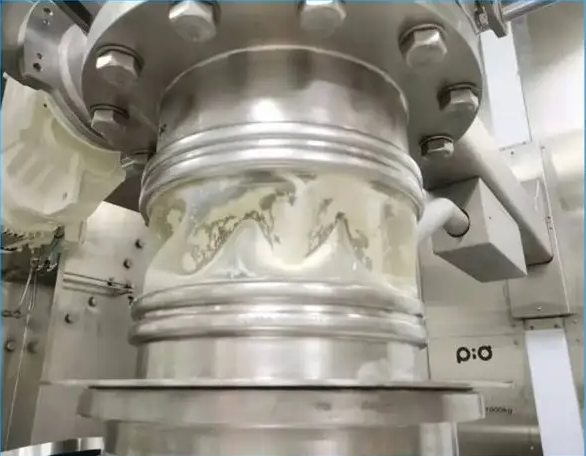
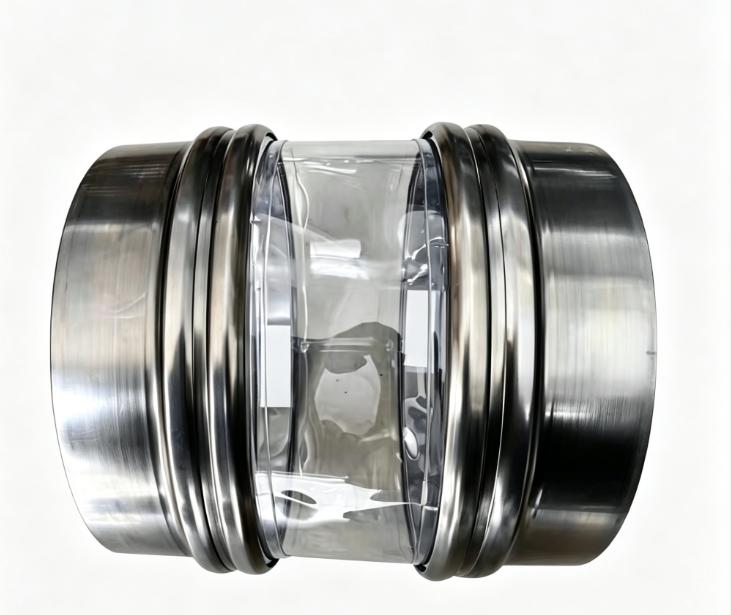
- Fig 3. Dynamic anti-static TPU flexible sleeve operating on a vibrating screener without external jumper wires.
4. Why External Grounding Wires Fail on Vibrating Equipment
Traditionally, maintenance teams clamped an external copper wire strap across the top and bottom metal spigots over an insulating sleeve. In dynamic operation, this creates three critical vulnerabilities:
- Cyclic Fatigue Snapping: On high-frequency Vibrating Sifter & Screener Sleeves, copper wire strands work-harden and snap within weeks, leaving the connection ungrounded without visual warning.
- Ungrounded Inner Wall: An external copper wire only bonds the two steel flanges together—it cannot bleed static charges building up on the inside surface of an insulating sleeve where the powder is actually flowing.
- Frictional Sparking: Loose copper wire lugs can rub against vibrating machinery frames, introducing an additional mechanical spark risk.
By installing an inherently static-dissipative TPU sleeve—such as our Tool-Free Snap-In Flexible Connectors or Sanitary Tri-Clamp TPU Sleeves—the connector body itself serves as the continuous, reliable grounding pathway directly between the metal spigots.
5. Technical Specifications: SOSHH Permanent Anti-Static Connectors
- Base Polymer: 100% Virgin Ether-Based TPU (Plasticizer-free)
- Surface Resistivity: 10⁶ to 10⁹ Ω/sq (Permanent molecular dissipation)
- ATEX Explosive Zones: Dust Zones 20, 21, 22 | Gas Zones 0, 1, 2 (Subject to application review)
- Sanitary Compliance: FDA 21 CFR 177.2600, EU 10/2011, EC 1935/2004, 3-A Sanitary Standards
- Operating Temperature: -25°C to +90°C (Intermittent peaks up to +110°C)
- Wall Thickness Options: 1.0 mm (Ultra-flexible / weighing) | 3 mm (Heavy-duty abrasive solids)
Available Fitting Styles: Tool-Free Snap-In SF Series, Sanitary Tri-Clamp TC Series, Custom Bolted Flange Series, and Heavy-Duty Band Clamp Sleeves.
Frequently Asked Questions (FAQ)
Q1: Is an anti-static TPU flexible sleeve certified for direct food and pharmaceutical contact?
A1: Yes. SOSHH anti-static polyether-TPU connectors comply fully with FDA 21 CFR 177.2600 and EU Regulation 10/2011. Because the conductive network is permanently bound into the polymer matrix without phthalate plasticizers or topical oils, it will never migrate into food or pharmaceutical powders.
Q2: Do we still need external copper earth bonding wires?
A2: No. When installed on properly grounded stainless steel spigots, the entire dissipative sleeve body (10⁶ to 10⁹ Ω) continuously transfers electrostatic charges to the pipeline earth ground, completely eliminating fragile external wire straps.
Q3: Will CIP washdowns or aging reduce the anti-static performance?
A3: No. Because the static dissipation is an inherent bulk material property rather than a surface spray, repeated hot CIP washdown cycles, chemical sanitizers, and abrasive powder friction will not reduce its conductivity rating.
🏭 Upgrade Your Plant to ATEX-Compliant Powder Containment
Eliminate static spark risks and eliminate fragile jumper wires with SOSHH permanent anti-static TPU flexible sleeves. We engineer custom diameters, lengths, and transition geometries tailored to your exact plant layout with zero tooling fees.
- 📧 Technical RFQs & Drawings: amin@soshh.com
- 🌐 Explore Full Product Range: www.soshh.com
- 📱 WhatsApp / Direct Engineering Support: +86 13567045023
Related Posts