




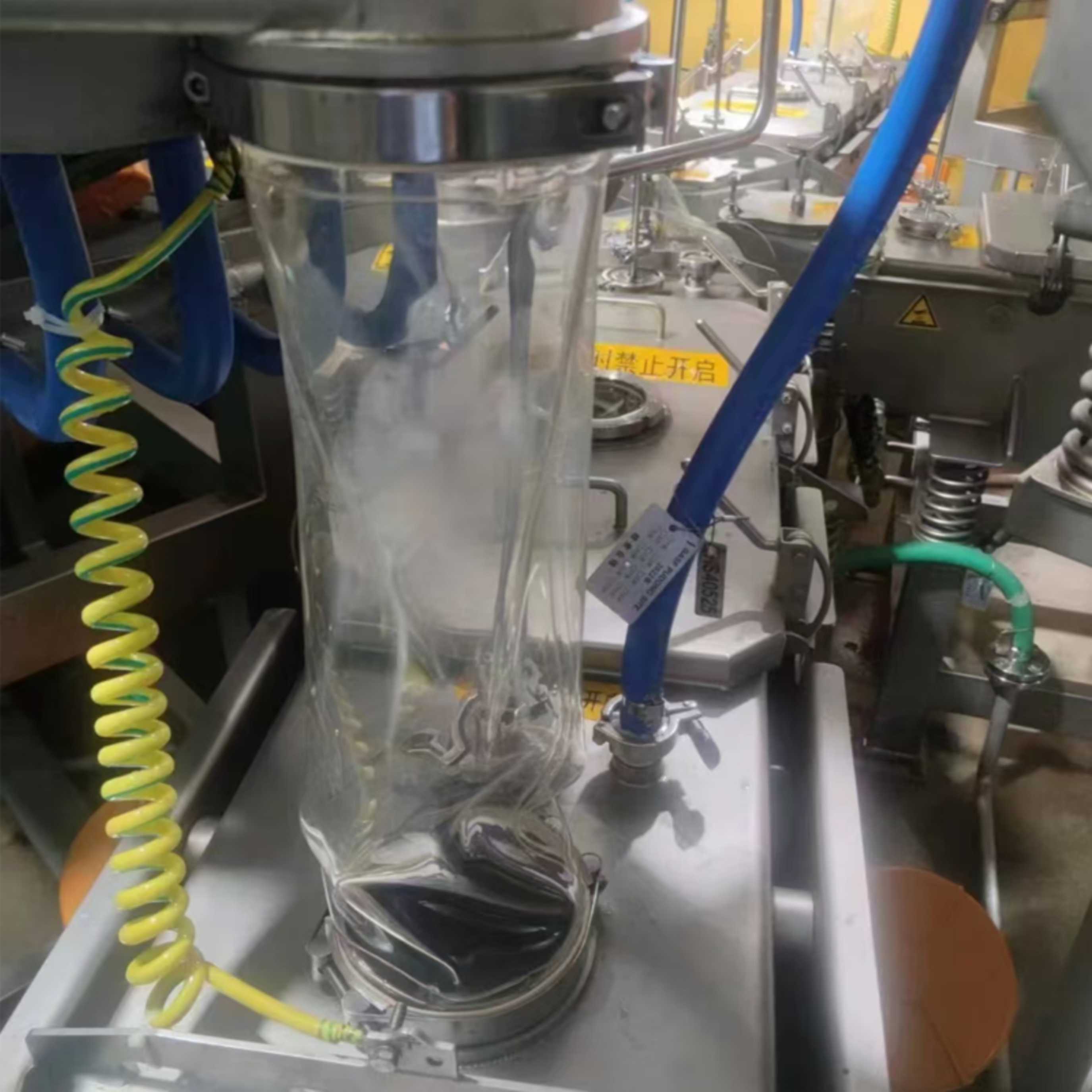
Vacuum vs. Pressure: Selecting the Right Flexible Connector for Pneumatic Conveying Systems
1. The Vacuum Challenge: Preventing Connector Collapse
In vacuum conveying, atmospheric pressure pushes against the outside of the sleeve. If the material is too soft or the wall is too thin, the connector will collapse (suck-in), blocking the flow of material and potentially damaging upstream equipment.
- The SOSHH Solution: We offer specific wall thicknesses and Shore Hardness (90A) levels designed to resist suction.
- Structural Integrity: For high-vacuum applications, our precision-molded TPU maintains its cylindrical shape, ensuring a constant, unrestricted bore for your powder flow.
2. Positive Pressure and the Risk of "Pinholing"
Pneumatic conveying often involves high-velocity particles striking the connector walls. In positive pressure systems, even a tiny weak spot can turn into a "pinhole" leak, leading to dust clouds and product loss.
- 45MPa Tensile Strength: SOSHH TPU connectors possess a massive tensile strength of 45.0 MPa. This allows them to contain pressure surges without stretching or bursting.
- Abrasion Resistance: With only 30mg to 39mg abrasion loss (ISO 4649), our material resists the "sandblasting" effect of high-speed particles, preventing the thinning of the connector walls over time.
3. Airtight Sealing with TC Quick-Clip Technology
In pressure systems, the connection point is the most common leak site. Traditional hose clamps often fail to provide a 360-degree airtight seal, especially under vibration.
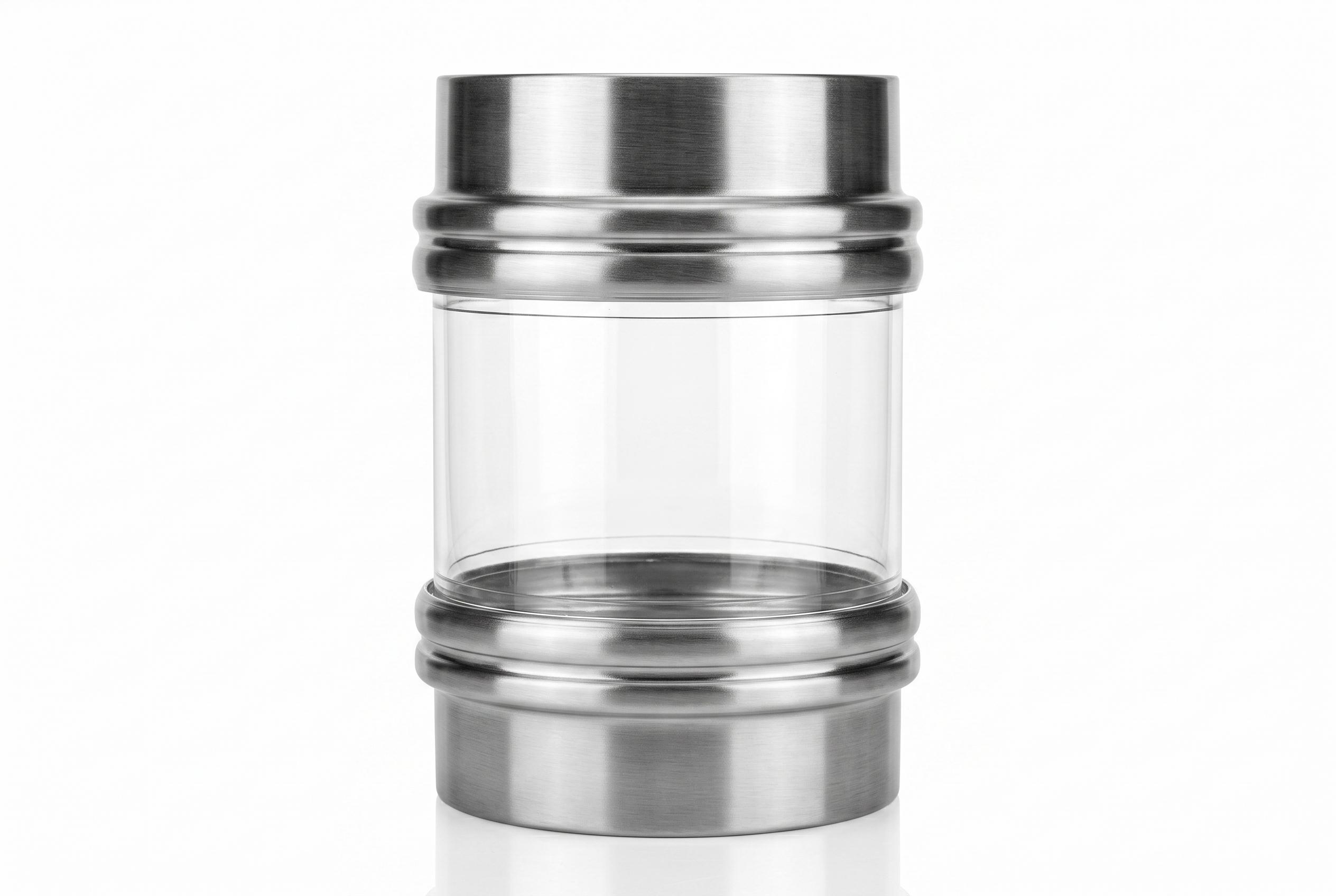
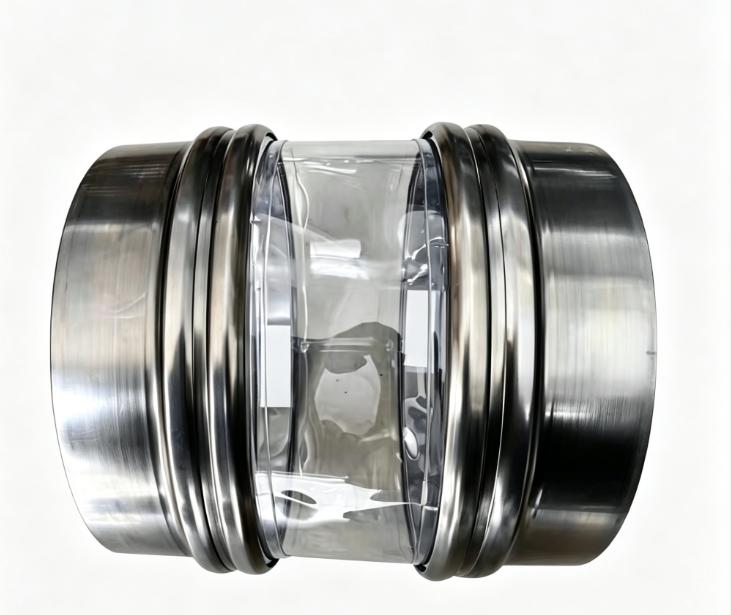
- Leak-Free Performance: The SOSHH TC Quick-Clip system provides a mechanical, snap-fit seal into standard Tri-Clamp ferrules.
- Zero Leakage: This design ensures a 100 percent airtight and dust-tight connection, which is essential for maintaining the pressure differential required for efficient pneumatic conveying.
4. Static Safety in High-Velocity Lines
Friction between fast-moving particles and the connector wall generates massive amounts of static electricity. In a pneumatic line, this is an extreme explosion risk.
- Integrated Safety: For all pneumatic applications, we recommend our PUAS Antistatic Series.
- Continuous Grounding: With a resistivity of less than 10^9 Ohms, static charges are dissipated instantly, preventing hazardous sparks in your vacuum or pressure lines.
| Conveying Mode | Material Requirement | SOSHH Recommended Grade |
|---|---|---|
| High Vacuum | Structural Rigidity / 90A Hardness | PU10 / PUAS (Heavy Duty) |
| Positive Pressure | High Tensile Strength (45MPa) | PU10 / PUAS |
| Abrasive Powder | Low Abrasion Loss (30mg) | All SOSHH TPU Series |
| Explosive Dust | Conductive (< 10^9 Ohms) | PUAS Antistatic |
Related Posts