


Why Vibrating Sifter Sleeves Tear at Clamp Edges (and How Polyether TPU Fixes It)
Quick Summary: High-frequency gyratory sifters and vibratory screeners subject flexible sleeves to continuous multi-axis oscillation. Standard silicone and stitched canvas tear along clamp pinch points within 2 to 4 weeks. Switching to thermo-welded virgin polyether-TPU delivers over 700% tensile elongation and high tear strength (>110 N/mm), providing over 1,000,000 dynamic cycles without flex-fatigue cracking.
1. The Root Cause of Clamp-Edge Tearing
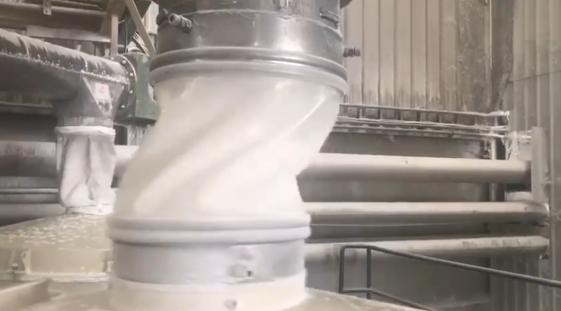
In high-amplitude vibrating screeners, tumbler sifters, and circular separators, transition industrial flexible connectors absorb simultaneous high-frequency vertical stroke and horizontal shear stress. Traditional elastomeric materials fail prematurely due to three mechanical factors:
Notch Sensitivity & Stress Concentration: Molded silicone and EPDM rubber exhibit low tear propagation resistance (<40 N/mm). The sharp edge of a tightened worm-drive hose clamp cuts micro-notches into the sleeve wall, which rapidly propagate into full circumference catastrophic tears under vibration.
Dynamic Flex Hysteresis: Continuous dynamic oscillation generates internal friction heat within standard synthetic rubbers, causing the polymer chains to cross-link, harden, embrittle, and crack.
Internal Seam Fraying: Stitched canvas and multi-ply fabric sleeves suffer internal seam fiber breakdown and dust weeping when handling abrasive dry powders.
2. Polyether-TPU vs. Conventional Materials Benchmark
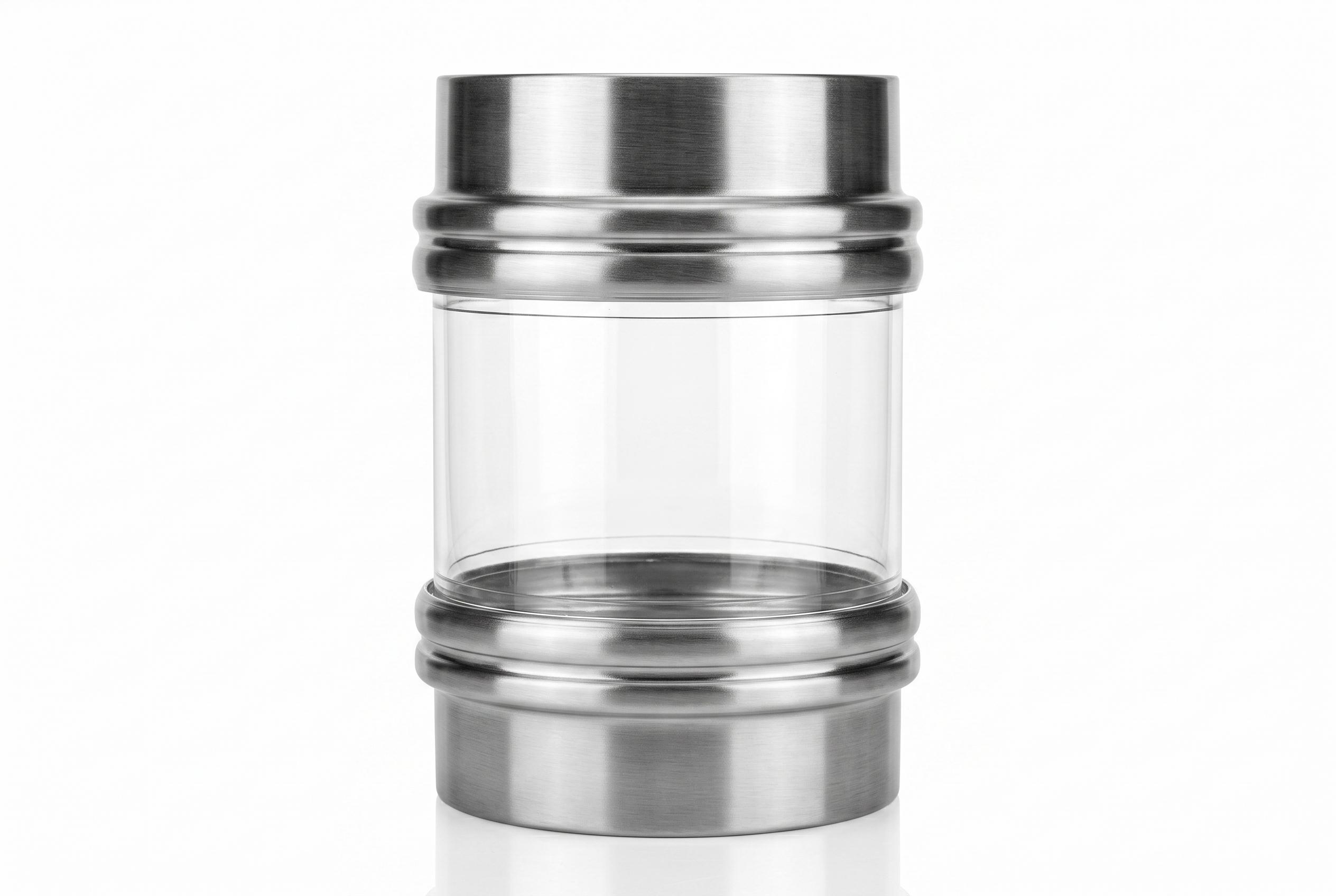
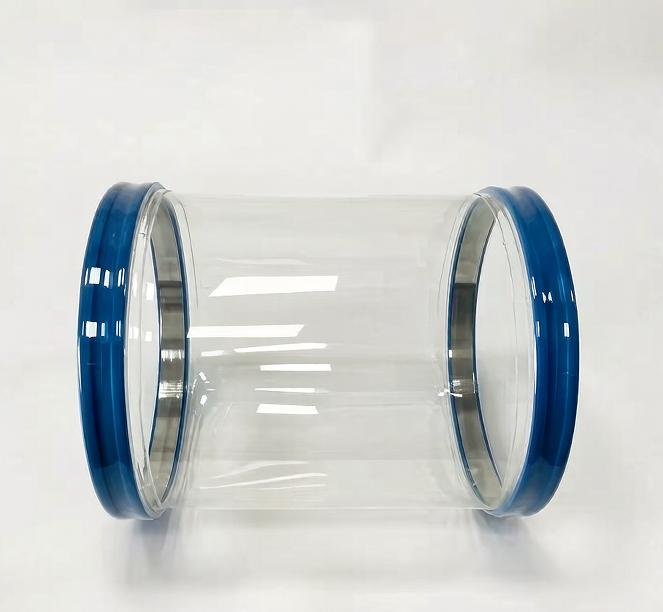
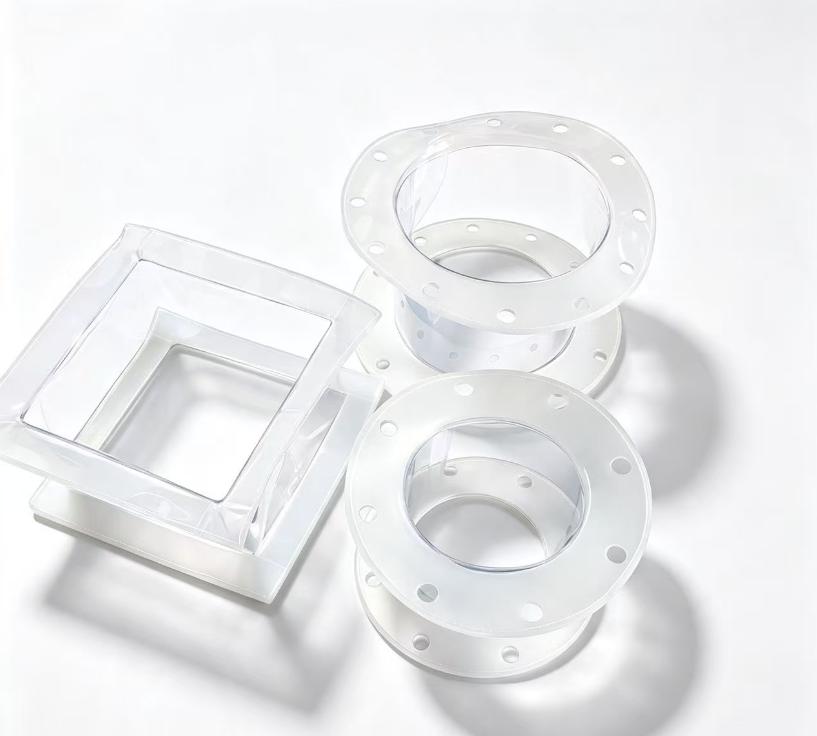
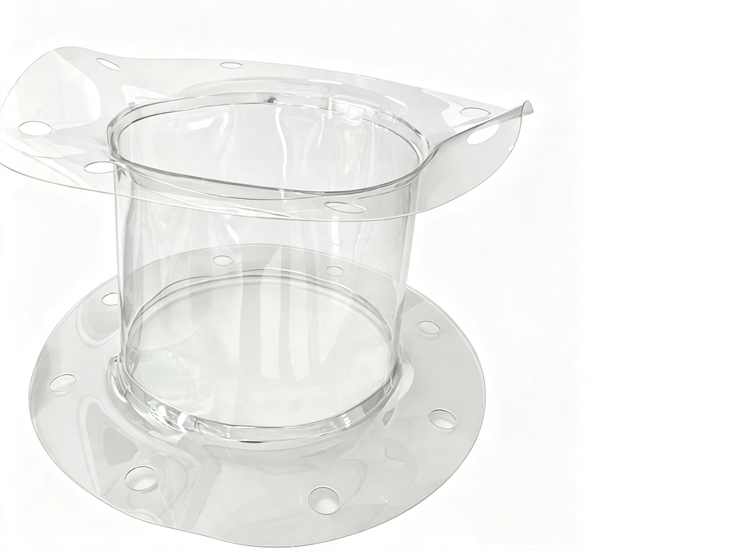
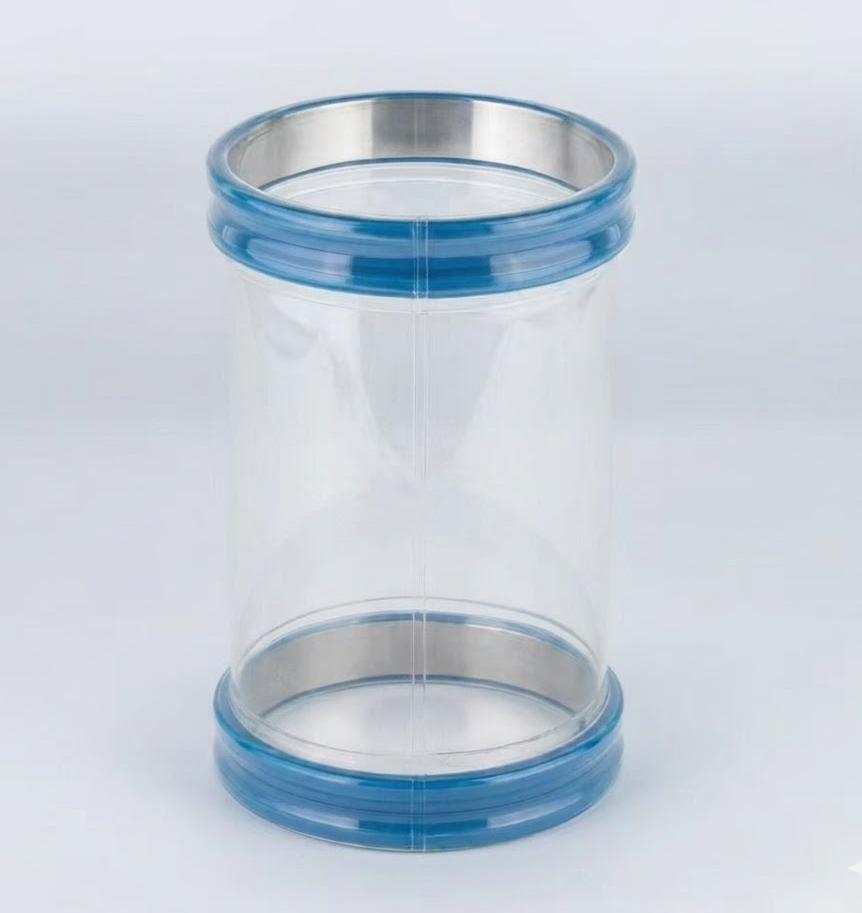
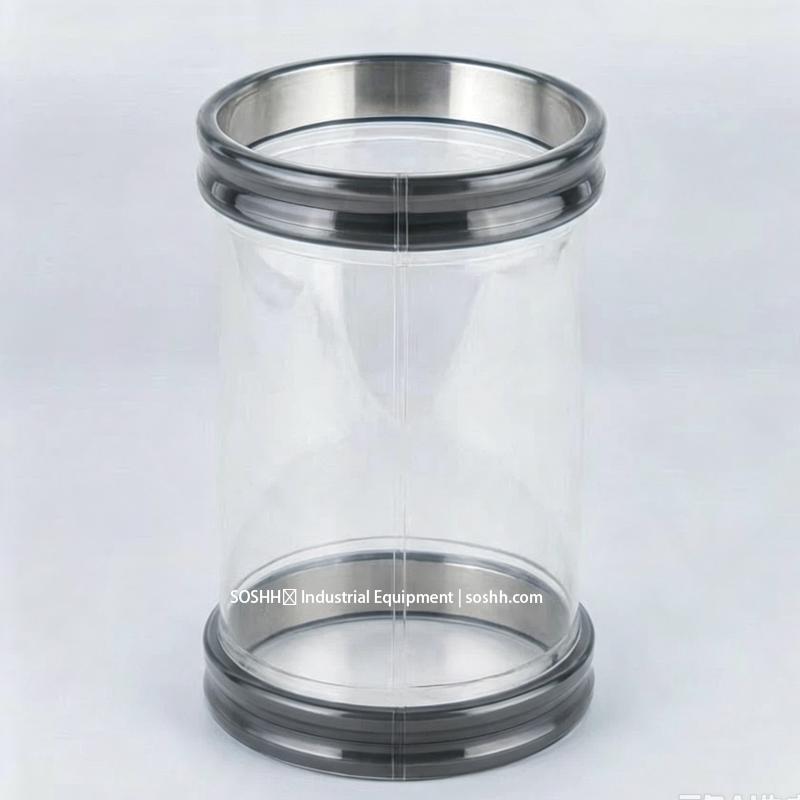
To solve recurrent sleeve failure on high-vibration equipment, SOSHH® SF-ClearFlex™ TPU Flexible Sleeves utilize 100% virgin-grade polyether polyurethane engineered specifically for dynamic flex fatigue.
| Engineering Property | Molded Silicone Boot | Stitched Canvas Sleeve | SOSHH Polyether-TPU |
|---|---|---|---|
| Tear Strength (ASTM D624 Die C) | 30 – 45 N/mm | Prone to seam unraveling | > 110 N/mm (3x Higher) |
| Tensile Elongation at Break | 350% | < 15% (Rigid) | > 700% (High Flex Life) |
| Abrasion Loss (DIN 53516) | > 180 mm³ | Fibers shed rapidly | < 25 mm³ (Ultra-Wear Resistant) |
| Optical Clarity | Translucent / Opaque | Completely Opaque | 100% Optical Transparency |
| Continuous Flex Life | 2 to 4 Weeks | 3 to 6 Weeks | 6 to 12 Months (1,000,000+ Cycles) |
| Food Contact Compliance | Variable | Poor (Fibers leach) | FDA 21 CFR 177.2600 & EU 10/2011 |
Engineer’s note: Independent benchmark data confirms the SF-ClearFlex™ advantage. Against the industry-reference Seeflex 040E grade (Die C tear 67 N, elongation 593%), SOSHH polyether-TPU delivers a higher tear-resistance ceiling (110+ N/mm) with comparable full transparency — a genuine drop-in replacement that also extends changeout intervals on high-oscillation sifters.
3. Key Operational Benefits for Plant Maintenance
Real-Time Visual Flow Inspection: 100% optical transparency allows operators to monitor powder flow, check screen mesh blinding, and detect product bridging instantly without opening the process line.
Smooth Hygienic Inner Bore: High-frequency thermo-welded joints eliminate internal steps, ledges, and fabric seams, preventing powder hang-up and microbial contamination.
Zero Tooling Fees for Custom Outlets: Available in custom lengths, wall thicknesses (0.8 mm to 2.0 mm), and stepped diameters to fit any OEM screener outlet without piping modification.
4. OEM Selection Guidelines: Sizing for Dynamic Stroke
When designing connection chutes for vibrating equipment, machine builders should adhere to three engineering criteria:
- Calculate Dynamic Clearance: The sleeve free length must equal the static flange gap plus at least 1.5 times the maximum dynamic vertical/horizontal amplitude to avoid over-stretching.
- Eliminate Sharp Clamp Pinching: Use smooth-edged, deburred bridge clamps or transition to molded snap-in collars that distribute clamping pressure evenly.
- Wall Thickness Matching: Choose 1.0 mm wall thickness for light powders and high-speed vibration (>1500 RPM); choose 1.5 mm to 2.0 mm for heavy abrasive granules, sugar, or minerals.
5. Frequently Asked Questions
Q1: Does polyether-TPU tolerate horizontal/lateral gyratory motion?
A: Yes. With over 700% elongation and balanced multi-axial elasticity, polyether TPU accommodates both vertical reciprocating vibration and wide horizontal gyratory strokes without structural degradation.
Q2: Can this sleeve replace traditional canvas boots directly?
A: Yes. SOSHH supplies custom diameters matching standard screener spigots from DN50 to DN600 with zero piping alteration.
Q3: Is the material food-contact safe and CIP washable?
A: Yes. It is fully certified compliant with FDA 21 CFR 177.2600 and EU 10/2011. Polyether TPU is immune to moisture hydrolysis and handles standard ambient CIP washdowns.
Technical Support & CAD Models
Eliminate screener downtime and dust leakage with certified anti-fatigue flexible connectors:
👉 View Product Details: SOSHH SF-ClearFlex™ TPU Sleeves
👉 Browse All Powder Handling Connectors
✉️ Contact our engineering team at amin@soshh.com for custom 3D STEP drawings, dynamic stroke sizing assistance, and 24-hour rapid sample quotes.
Related Posts