


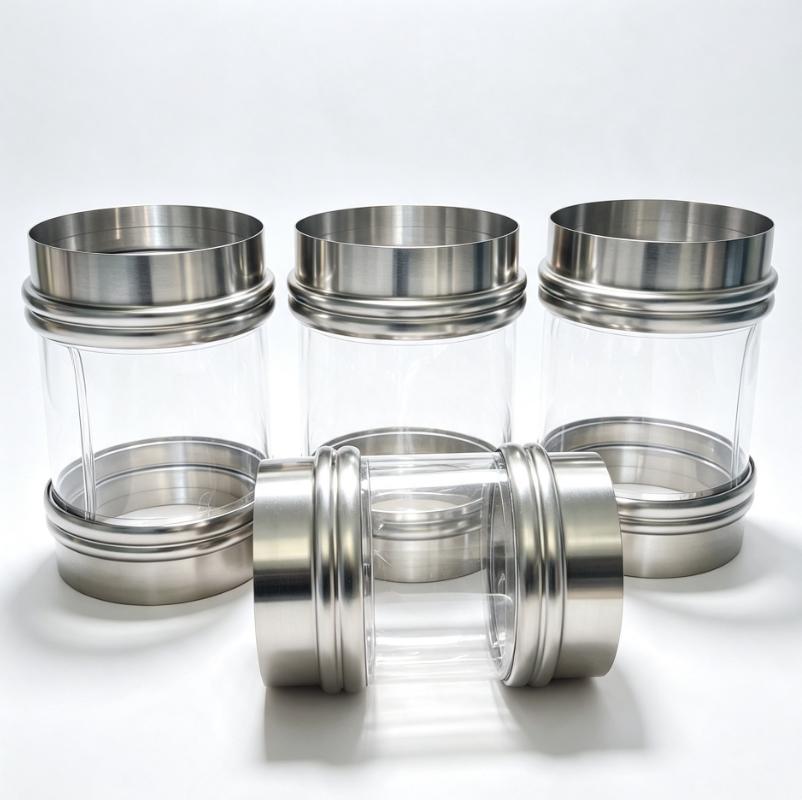
Improving Pipeline System Performance: 6 Benefits of Polyurethane Flexible Joints
In industrial pipeline systems, the choice of connectors and joints directly impacts system performance, longevity, and operating costs. As industrial demands evolve, polyurethane flexible joints are increasingly becoming the ideal solution for pipeline systems due to their outstanding performance. Not only do they enhance system efficiency, but they also extend the lifespan of equipment. In this blog, we will discuss the six key benefits of polyurethane flexible joints and how they contribute to improving pipeline system performance.
READ MORE...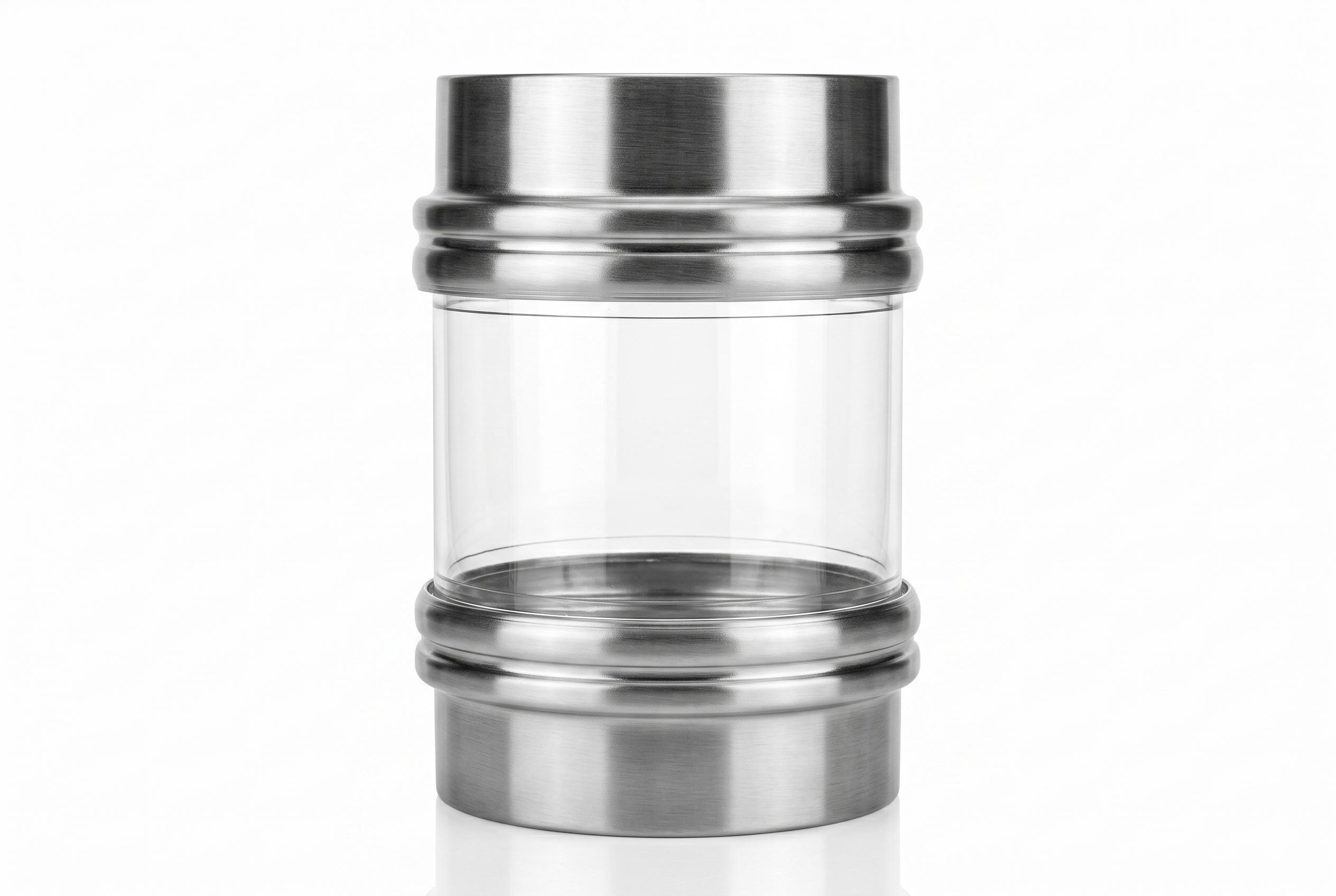
Extreme Environment TPU Flexible Connectors: Regional Procurement Guide for Middle East, Central & SE Asia
Standard canvas or rubber sleeves fail across the Middle East, Central Asia and Southeast Asia for three predictable reasons: blistering heat plus static accumulation, monsoon humidity plus hydrolysis, and abrasive minerals plus freezing winters. SOSHH® polyether TPU flexible connectors are engineered for each regime — PU-10-AS anti-static (10⁶–10⁹ Ω, ATEX Zones 20/21/22), PUHT high-temp (−20 to +150 °C), and 100% ether-based TPU for hydrolysis resistance — with 40 MPa tensile strength, 39.0 mg DIN abrasion and FDA 21 CFR 177.2600 compliance. Standard diameters Ø102–Ø804 mm, custom to Ø1000 mm, with SASO/SABER export documentation support for GCC procurement.
READ MORE...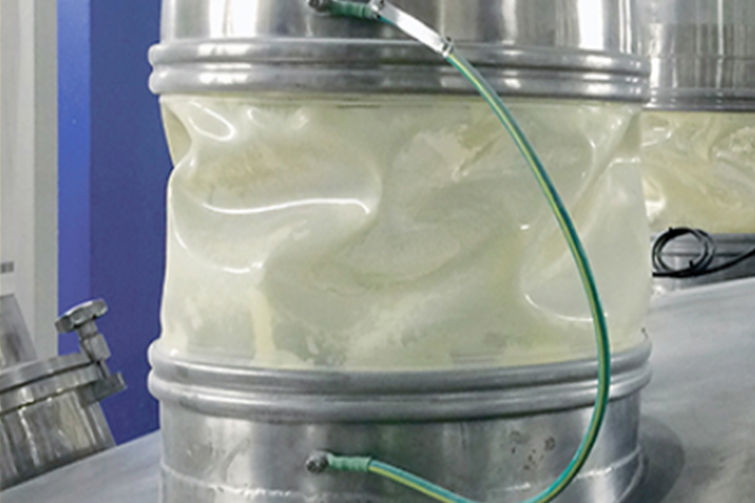
Improving Pipeline System Performance: 6 Benefits of Polyurethane Flexible Joints
Polyurethane flexible joints earn their place in powder and bulk-material pipelines on six measurable fronts: abrasion resistance, vibration decoupling, flex-fatigue life, tool-free service, adaptability and seal integrity. SOSHH® joints are built from 100% polyether TPU with HF-welded cuffs — 40 MPa tensile strength, ~600% elongation, Shore A 90, 39.0 mg DIN abrasion — snapped tool-free over stainless spigots to form a 360° crevice-free seal. Standard diameters Ø102–Ø804 mm, lengths 100–1000 mm; food grades are FDA 21 CFR 177.2600 compliant and anti-static grades (10⁶–10⁹ Ω) meet ATEX Zones 20/21/22. For heat or chemical duty, SOSHH grades PUHT (−20 to +150 °C) and pure PTFE (−40 to +300 °C, pH 0–14).
READ MORE...