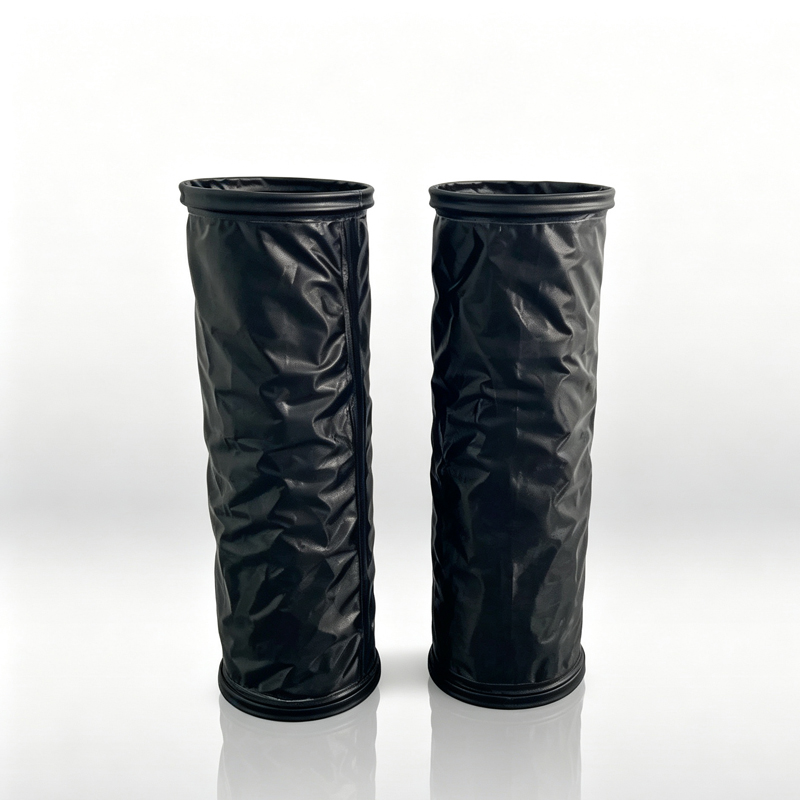
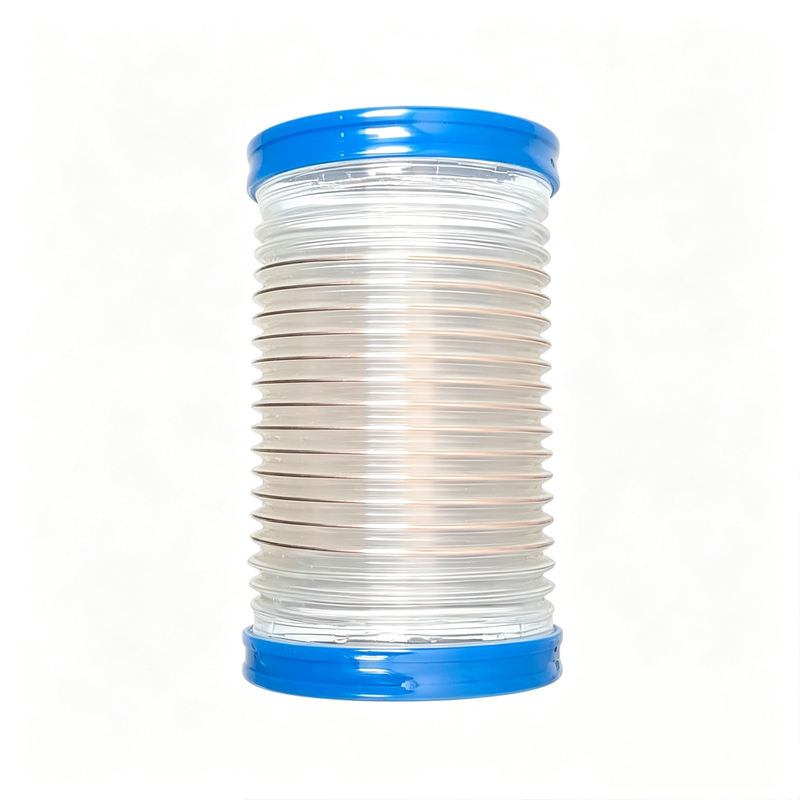
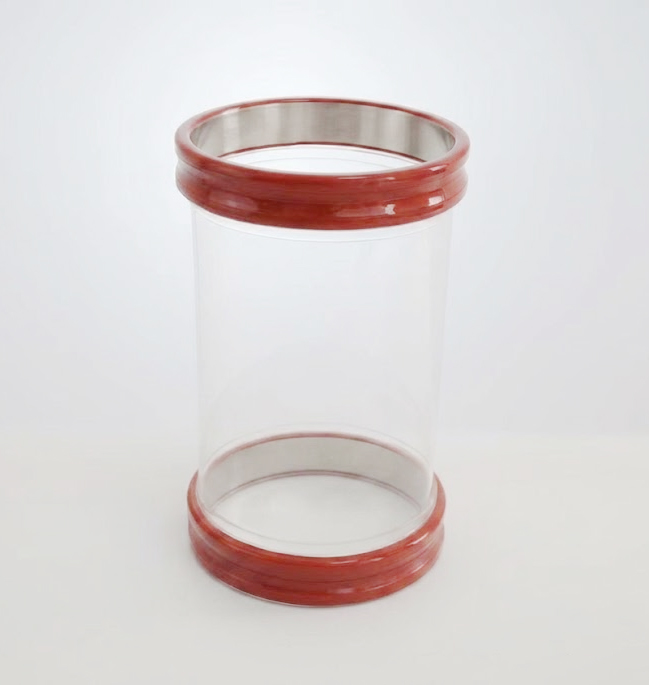
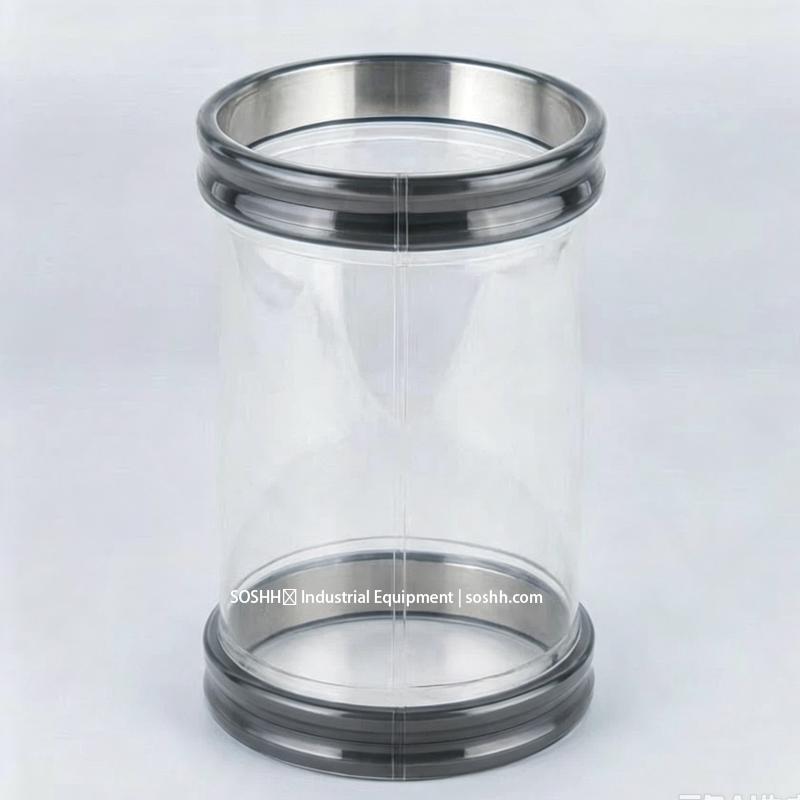
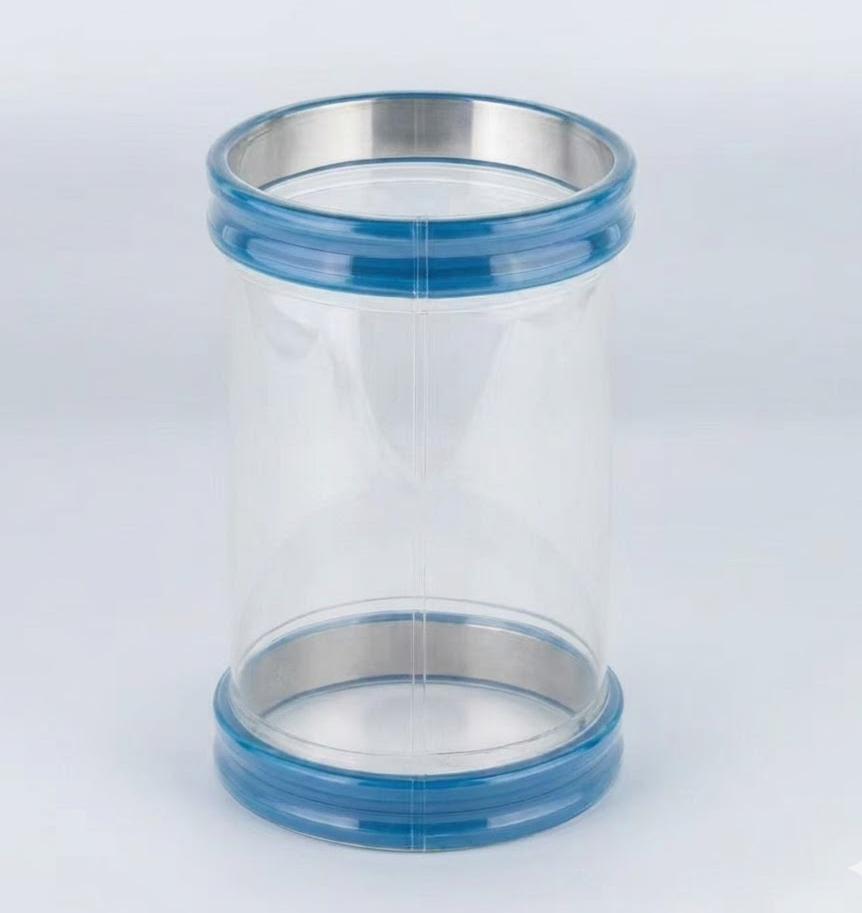
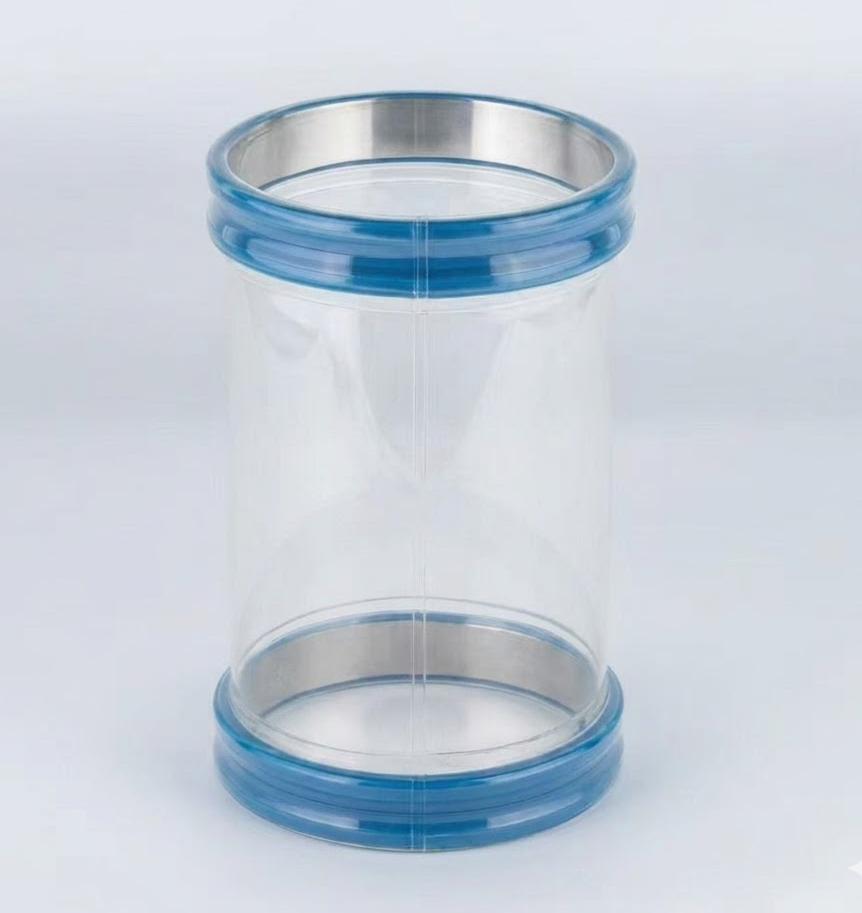
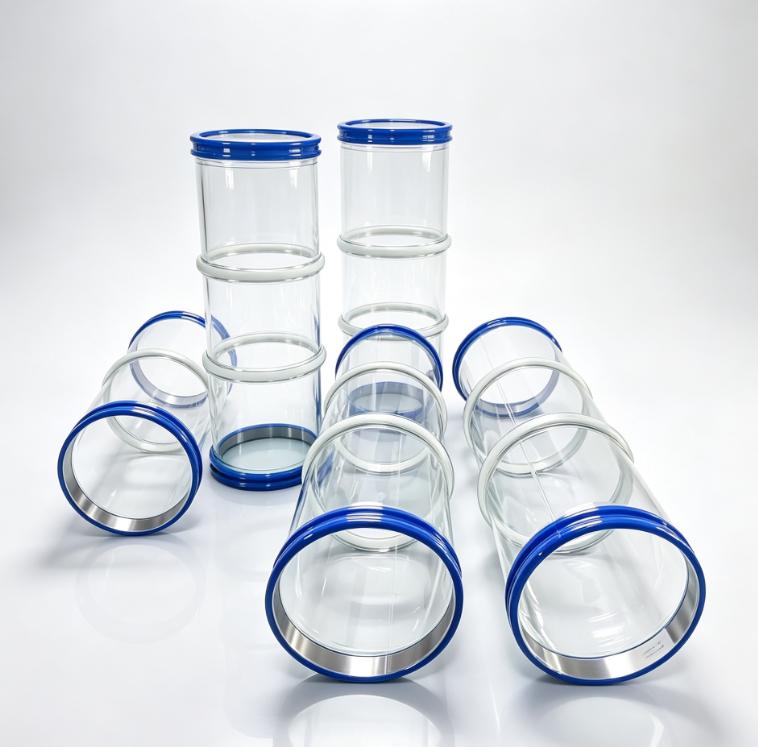
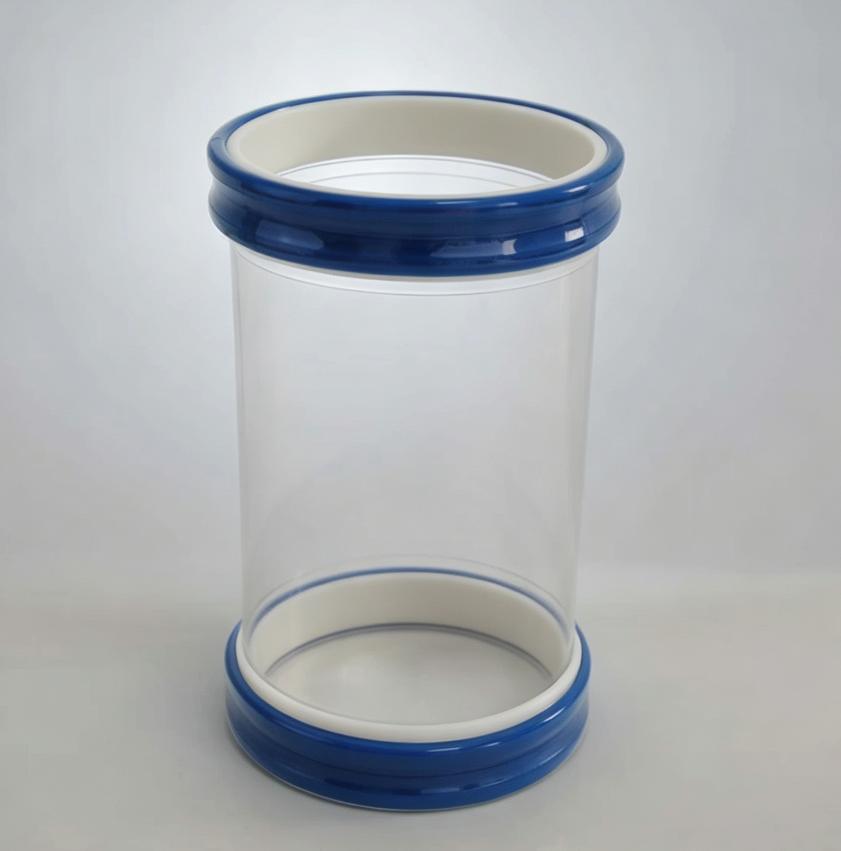
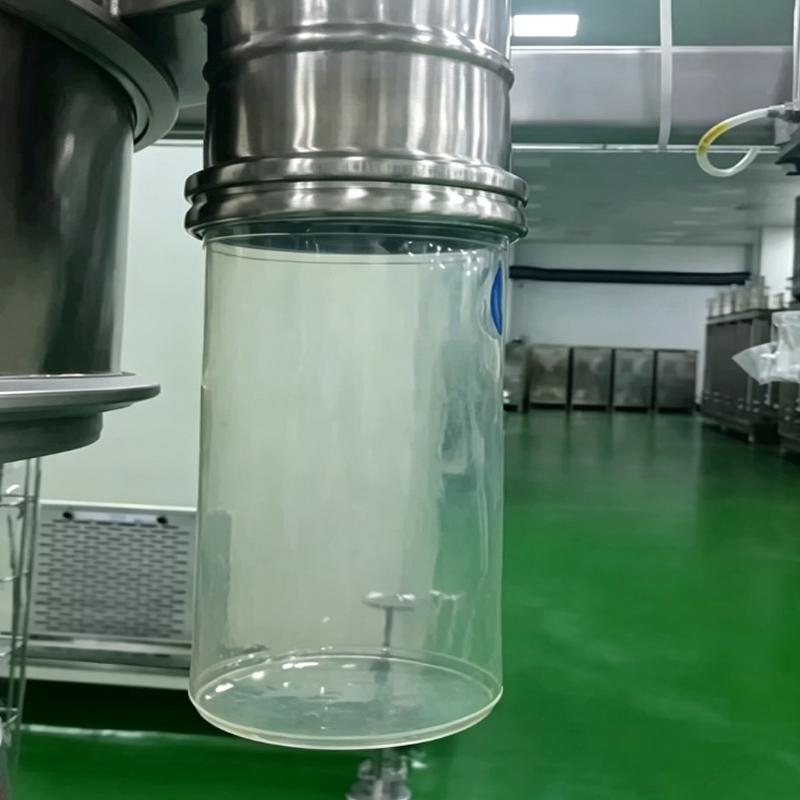
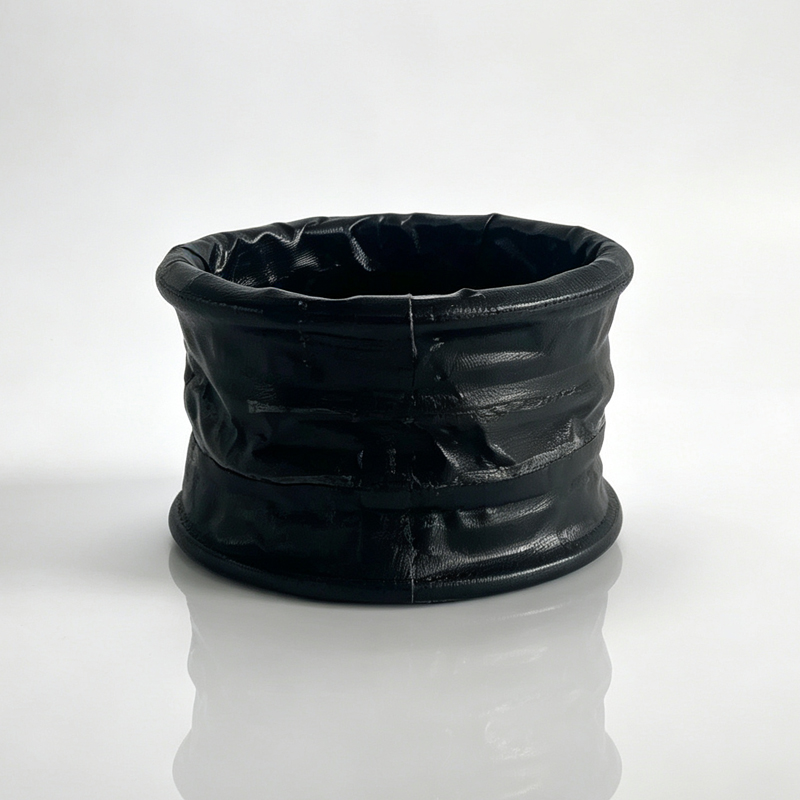
SOSHH antistatic PTFE snap-in sleeves offer static-dissipative 10⁶–10⁹ Ω/sq (permanent, molecular-grade) and conductive grades (0.5 Ω end-to-end, must be bonded to ground). Conductive PTFE inner + wear-resistant TPU outer for fluorochemical and LIB powder lines; −70 to +260 °C, inherently flame retardant, FDA 21 CFR 177.2600.
![SOSHH Conductive Black PTFE Snap-In Flexible Connector for ATEX Dust Zones]()
![SOSHH Conductive Black PTFE Snap-In Flexible Connector for ATEX Dust Zones]()
1. Why Choose SOSHH PTFE Snap-In Connectors? (Solving Critical Process Pain Points)
- Permanent Anti-Static & ATEX Zone 0/20 Safety: Engineered with conductive black PTFE providing surface resistivity under 300,000 Ohms/sq. Safely dissipates electrostatic charges generated during high-velocity powder conveyance, preventing secondary dust explosions in explosive atmospheres.
- Extreme Continuous Temperature (316 deg C / 600 deg F): Far outperforms standard TPU and silicone sleeves that melt, crack, or harden under high temperatures. Remains permanently flexible and dimensionally stable in fluid bed dryers, calcination exhausts, and spray dryers.
- Universal Chemical Inertness (pH 0-14): High-density fluoropolymer structure is 100% unaffected by aggressive acids, alkalis, aromatic solvents, and corrosive chemical vapors. Zero swelling, zero chemical degradation.
- 30-Second Tool-Free Snap-Band Installation: Internal stainless steel snap rings lock directly into standard grooved spigots. Eliminates messy hose clamps, stops flange gap powder leakage, and prevents cross-contamination.
How to Specify Static Control: Dissipative vs Conductive
The most common specification error in powder handling is writing “0 ohms per square” for an antistatic sleeve. 0 Ω is metal — not a polymer. A safe powder sleeve is either:
Static-dissipative — 10⁶–10⁹ Ω/sq — bleeds charge slowly and safely; the right choice for most explosive-dust lines (flour, starch, LFP, silica).
Conductive — 0.5 Ω end-to-end — a low-resistance path that must be bonded to ground at both ends; used where fast charge removal is required.
SOSHH supplies both as permanent molecular-grade properties in the polymer — not a topical spray that washes off in CIP.
Chemical Resistance: Dual-Layer PTFE + TPU for HCl, Toluene & Fluoride Ions
For fluorochemical, HCl, toluene and fluoride-ion duty, single-layer TPU fails on chemical attack. SOSHH uses a dual-layer structure:
Inner conductive PTFE — chemical inert, −70 to +260 °C, non-stick smooth bore, 10⁶–10⁹ Ω/sq for charge control.
Outer wear-resistant TPU jacket — abrasion and hoop strength, protects the PTFE from mechanical damage.
This solves the classic conflict: PTFE alone is corrosion-proof but flexes poorly; TPU alone is tough but corrodes. The dual-layer combines both.
Lithium-Battery (LFP/NCM) Powder Lines: Antistatic + Flame Retardant
For LFP/NCM cathode and anode powders — combustible dusts in ATEX Zones 20/21/22:
Permanent antistatic (10⁶–10⁹ Ω/sq), not a surface spray.
Inherently flame retardant PTFE (UL94 V-0), or FR-TPU where specified.
TC clamp / snap-in ends for under 30-second tool-free changeout.
Third-party resistivity and flame test reports — continuity and dissipation documented, not assumed.
2. Physical & Technical Specifications
| Engineering Property | Test Standard | Specification / Certified Value |
|---|
| Material Construction | Visual / ASTM | Conductive Multilayer PTFE Composite Film |
| Material Color | Visual | Matte Black |
| Film Thickness | ASTM D3652 | 0.25 mm (+/- 0.05 mm) |
| Continuous Service Temp | Internal Thermal Test | -70 deg C to +316 deg C (-94 deg F to +600 deg F) |
| Surface Resistivity | Resistance Meter | Under 300,000 Ohms/sq (Conductive / Anti-Static) |
| Tensile Strength | GB/T 1040.3 | 350 N/50 mm (40 lbs/in) |
| Tear Strength | Internal Mechanical | 156 N (35 lbs) |
| Total Areal Weight | Balance Test | 441 g/m2 (14.0 oz/yd2) |
| Density | ASTM D792 | 2.2 - 2.3 g/cm3 |
| Water Absorption | ASTM D570 | Under 0.01% |
| Chemical Resistance | Full Immersion | pH 0-14 (Universal Chemical Resistance) |
| Connection Mechanism | Snap-In Fit | Internal tempered spring steel band (snap-fit into spigot groove) |
Static-Dissipative vs Conductive vs Dual-Layer PTFE-TPU
| Parameter | Static-Dissipative | Conductive | Dual-Layer PTFE-TPU |
| Surface resistance | 10E6 to 10E9 Ohm/sq | N/A | 10E6 to 10E9 Ohm/sq |
| End-to-end resistance | N/A | 0.5 Ohm (ground both ends) | N/A |
| Material | Ether-TPU / PTFE | Carbon-filled TPU / PTFE | Conductive PTFE inner and TPU outer |
| Transparency | Transparent dissipative available | Dark | Opaque (PTFE liner) |
| Temperature | -30 to 85 C (TPU) / -70 to 260 C (PTFE) | -30 to 85 C (TPU) | -70 to 260 C |
| Flame retardant | Option (FR-TPU) | Option | PTFE inherently V-0 |
| Grounding | Both ends recommended | Both ends mandatory | Both ends |
| Compliance | Third-party resistivity, IEC 60079-32-2 | Ground-bonding documentation | FDA 21 CFR 177.2600 |
3. Standard Dimensions & Sizing Matrix
| Standard Diameter (Spigot Match) | Standard Lengths | Customization Capability |
|---|
| Dia. 100 mm (4 in) | 100 mm / 150 mm / 200 mm / 300 mm | Custom lengths up to 2000 mm |
| Dia. 125 mm (5 in) | 100 mm / 150 mm / 200 mm / 300 mm | Optional internal vacuum rings |
| Dia. 150 mm (6 in) | 150 mm / 200 mm / 300 mm / 400 mm | Custom conical reducers (offset) |
| Dia. 200 mm (8 in) | 150 mm / 200 mm / 300 mm / 500 mm | Double-layer high-flex design |
| Dia. 250 mm (10 in) | 200 mm / 300 mm / 500 mm | Custom grounding lug integration |
| Dia. 300 mm (12 in) | 200 mm / 300 mm / 500 mm | Reinforcement for high negative pressure |
(Note: Direct retrofits for existing style spigots and modular sanitary ducting systems.)
4. Engineering Compatibility & Retrofit Guide
- Snap-on Connector Replacement: Direct drop-in fit for existing modular spigots and Jacob tubing lines without altering ductwork.
- Alternative to Fitting Systems: Delivers identical tool-free snap-in functionality for grooved spigot profiles with superior chemical inertness and higher temperature endurance.
- Vibrating Sifter Powder Leakage Solution: Absorbs continuous multi-axis oscillation without ring dislocation, fatigue cracking, or seam blowout.
- Bulk Powder Handling Sleeve: Prevents static build-up during high-velocity pneumatic conveying of toner, flour, milk powder, resins, and battery cathode/anode active materials.
4-Step Selection & Grounding Checklist
Step 1 — Classify the zone. Dust hazard (starch, flour, LFP, silica) → dissipative 10⁶–10⁹ Ω/sq. Fast charge removal → conductive 0.5 Ω.
Step 2 — Never specify “0 Ω/sq.” That is metal. State Ω/sq (dissipative) or Ω end-to-end (conductive).
Step 3 — Verify grounding continuity. Conductive sleeves must be bonded at both ends; a broken bond path defeats the protection.
Step 4 — Confirm permanence. Ask for CIP-stable molecular-grade resistivity, not a spray that washes off.
5. Frequently Asked Questions
Q1: How does the conductive PTFE sleeve prevent ATEX dust explosions?
A: The composite film maintains a permanent surface resistivity under 300,000 Ohms/sq, instantly dissipating static charges to ground before hazardous spark discharges can ignite combustible dust in ATEX Zone 0/20 environments.
Q2: Can this flexible joint replace silicone sleeves in high-temperature drying processes?
A: Yes. While silicone hardens, discolors, or sheds particles above 200 deg C, our conductive black PTFE sleeve withstands continuous temperatures up to 316 deg C (600 deg F) in fluid bed dryers and spray drying cyclones without embrittlement.
Q3: Is the snap-in connector resistant to aggressive CIP chemicals and solvents?
A: Yes. Made from virgin multi-layer PTFE composite, it provides universal inertness across the entire pH 0-14 spectrum, remaining completely immune to acids, caustics, and organic cleaning solvents.
Q4: Is conductive better than dissipative?
A: Not always. Conductive (0.5 Ohm) removes charge fastest but must be grounded continuously. Dissipative (10E6 to 10E9 Ohm/sq) bleeds charge safely and is more forgiving of grounding gaps - usually the right choice for explosive dust.
Q5: Can I get a transparent antistatic sleeve?
A: Yes - transparent static-dissipative (10E6 to 10E9 Ohm/sq). A fully transparent conductive sleeve is impractical; carbon-filled conductive polymer is dark.
Q6: Does the antistatic property wash off in CIP?
A: No. SOSHH uses permanent molecular-grade dissipation, stable through CIP cycles - not a surface spray.
Q7: Will it handle HCl, toluene or fluoride ions?
A: Yes, with the dual-layer conductive PTFE inner and TPU outer. Single-layer TPU will fail on strong acid or solvent duty.
Q8: Is the antistatic property permanent, or does it wash off in CIP?
The dissipative grade is a permanent molecular-level property of the compound — not a surface spray that washes off in hot-water CIP. A sprayed-on coating wears off; a dissipative compound does not. Send your CIP temperature and frequency and we confirm the grade.
6. Request Custom Sizing & Technical Data Sheet
Looking for exact dimensional compatibility with your existing grooved spigots or need an ATEX static verification sheet? Contact our process engineers at amin@soshh.com with your duct diameter and operating temperature for a fast proposal and sample delivery.