



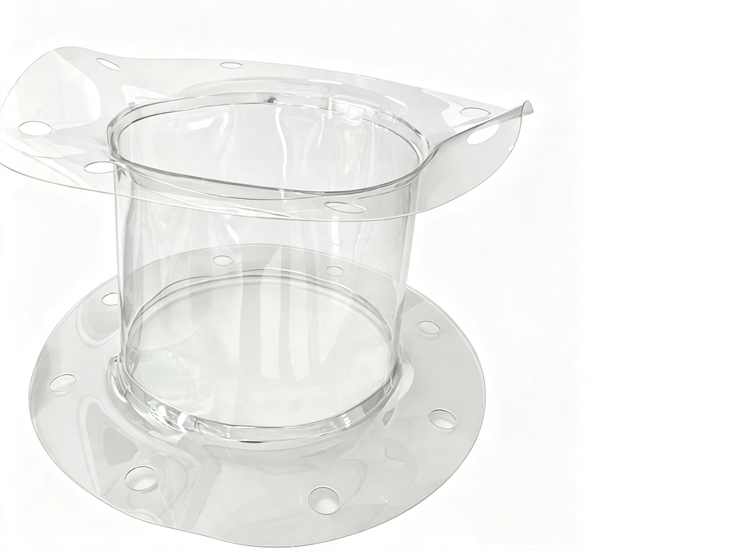
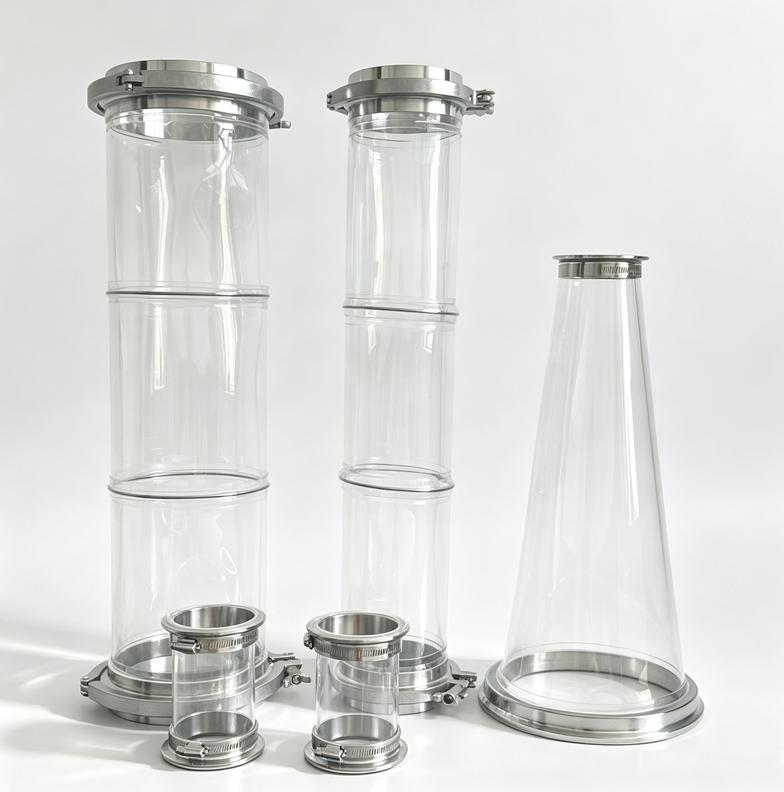
Is Polyurethane Food-Contact Safe? FDA 21 CFR 177.2600 & EU 10/2011 Compliance Guide
Quick Summary: Virgin polyether polyurethane (TPU) is 100% certified food-contact safe, biologically inert, and free from plasticizers, heavy metals, and animal derivatives (BSE/TSE free). Compliant powder sleeves must strictly satisfy US FDA 21 CFR § 177.2600 extractive thresholds and European Union (EC) 1935/2004 & EU 10/2011 overall migration limits (OML < 10 mg/dm²). For food, dairy, infant formula, and pharmaceutical API lines, virgin polyether TPU provides total immunity to microbial hydrolysis during Clean-In-Place (CIP) washdowns and delivers auditable batch-to-batch traceability.
1. Material Chemistry: Polyether TPU vs. Industrial Ester Grades
Many commercial flexible sleeves marketed as "polyurethane" fail sanitary audits due to inferior resin formulations. In bulk dry powder processing, specifying the correct polymer chemistry is critical:
- Zero Plasticizer & Phthalate Migration: Industrial-grade urethanes often incorporate external plasticizers (DEHP, DINP, DBP) to achieve flexibility. Under dynamic vibration, these chemical additives leach into dry powders and fatty bulk materials. SOSHH food-grade sleeves utilize 100% virgin-grade polyether TPU, which achieves molecular elasticity naturally without added plasticizers.
- Immunity to Moisture Hydrolysis: Ester-based polyurethanes react with moisture and humidity, causing polymer chain scission (hydrolysis) and surface tackiness that harbors bacterial biofilms. High-purity polyether TPU exhibits zero hydrolytic degradation and is fully resistant to fungal growth per ISO 846.
- Sensory Neutrality (Odor & Taste): Non-virgin recycled polymers release volatile organic compounds (VOCs). Virgin polyether TPU is entirely odorless, tasteless, and chemically inert, preserving product purity in sensitive dairy, coffee, cocoa, and pharmaceutical lines.
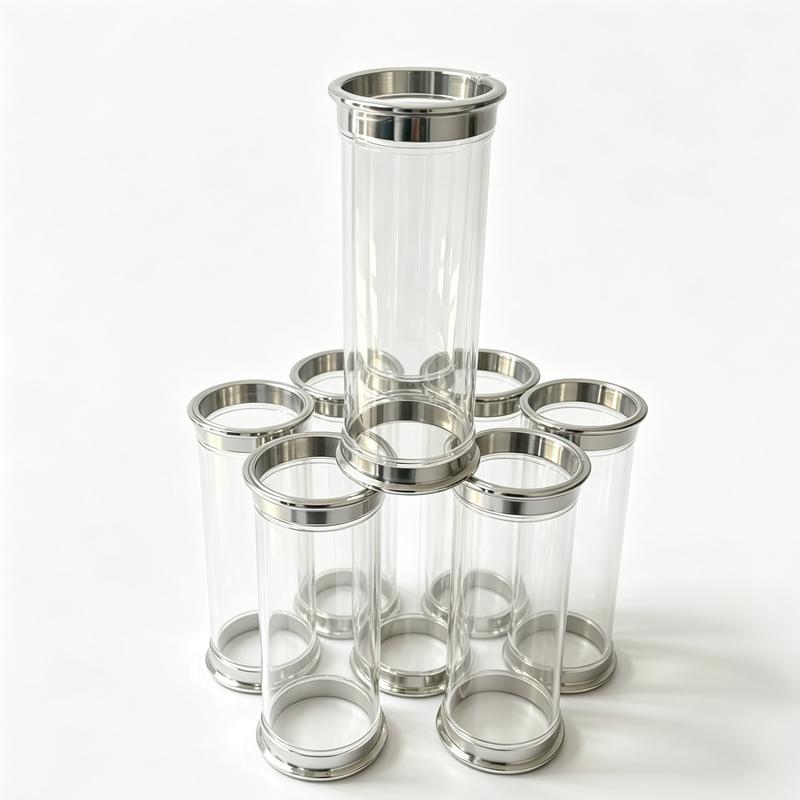
2. Global Food Contact Regulations & Migration Testing Matrix
To ensure regulatory compliance across global markets, industrial flexible connectors must undergo standardized extraction and overall migration testing:
| Regulatory Standard | Governing Jurisdiction | Testing Scope & Conditions | SOSHH Compliance Level |
| US FDA 21 CFR § 177.2600 | United States / Global | Rubber/elastomers for repeated food contact; Distilled water reflux (<20 mg/sq in) & n-Hexane reflux (<175 mg/sq in) | Fully Certified (Extractives well below statutory limits) |
| EU Regulation (EC) 1935/2004 | European Union | General safety and traceability framework across all food contact materials (FCM) | Fully Certified (Article 15 lot-traceable resin sourcing) |
| EU Regulation 10/2011 | European Union | Overall Migration Limits (OML < 10 mg/dm²) across liquid/dry simulants (10% Ethanol, 3% Acetic Acid, Olive Oil) | Passes all migration testing (40°C for 10 days duration) |
| China GB 4806.7-2016 | China / APAC | National Food Safety Standard for Food Contact Plastic Materials and Articles | Fully Certified (Sensory, migration, and heavy metals) |
| RoHS 2.0 & REACH (SVHC) | Global | Screening for heavy metals (Lead, Cadmium, Mercury) and Substances of Very High Concern | 100% Free of SVHC toxic compounds and BPA |
Engineer’s note: When processing fatty bulk powders (whole milk powder, infant formula, milled cocoa, ground seeds), standard aqueous migration tests are insufficient. Food auditors mandate verification using fatty food simulant D2 (vegetable oil / isooctane) to guarantee that non-polar lipids do not extract polymer additives.
3. The Plant Audit Checklist: Mandated Documentation
Verbal assurances from component vendors are rejected during BRCGS, FSMA, IFS, and cGMP compliance audits. Plant engineers and procurement officers must require three mandatory verification documents before approving flexible sleeves:
- Declaration of Conformity (DoC): A legally binding document signed by the manufacturer specifying the precise polymer formulation, applicable FDA/EU regulatory clauses, allowable food contact types (dry, aqueous, acidic, fatty), and operating temperature limits (-20°C to +80°C).
- Third-Party Test Reports: Independent laboratory certificates (SGS, TÜV, or Intertek) documenting standardized migration values and extractive test results.
- Lot-to-Lot Material Traceability: Physical laser-etched batch numbering or hygienic serial tags on the connector matching the raw resin supplier's certificate of analysis (CoA).
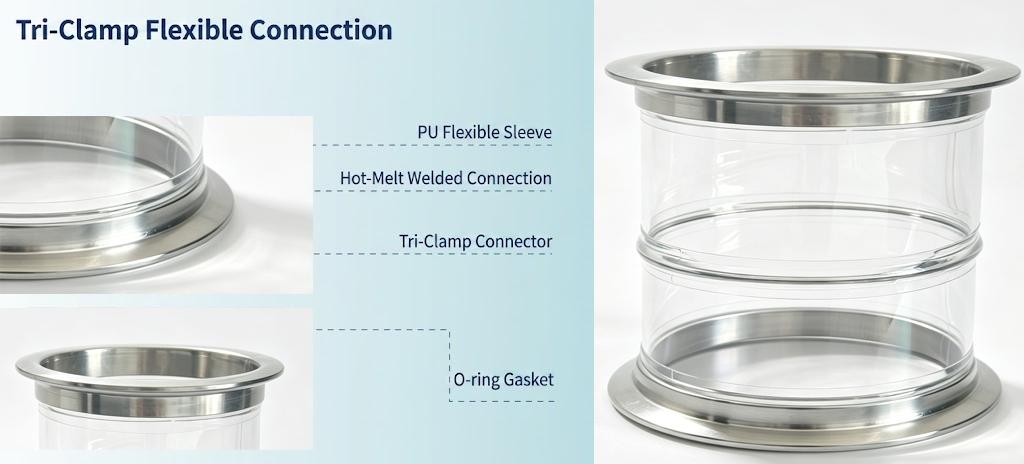
4. Eliminating Gasket Traps: Sanitary Tri-Clamp & Snap-In Advantage
Traditional flexible sleeves fastened with worm-drive hose clamps create internal overlapping crevices where organic powders accumulate, ferment, and introduce microbial contamination across batches.
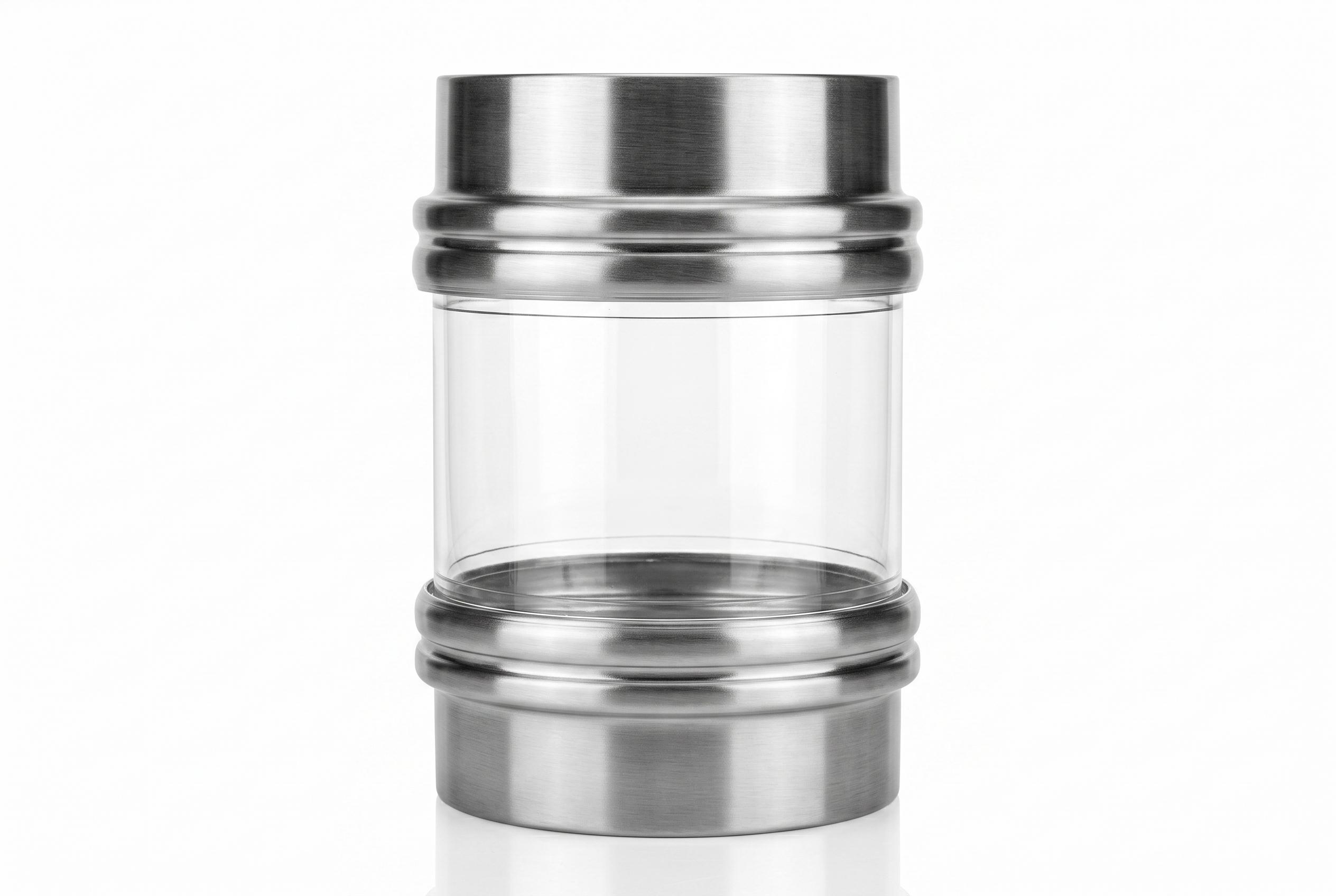
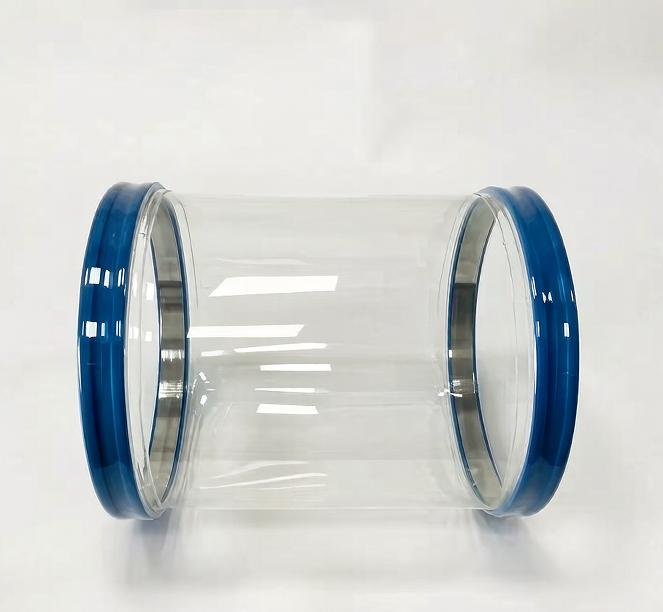
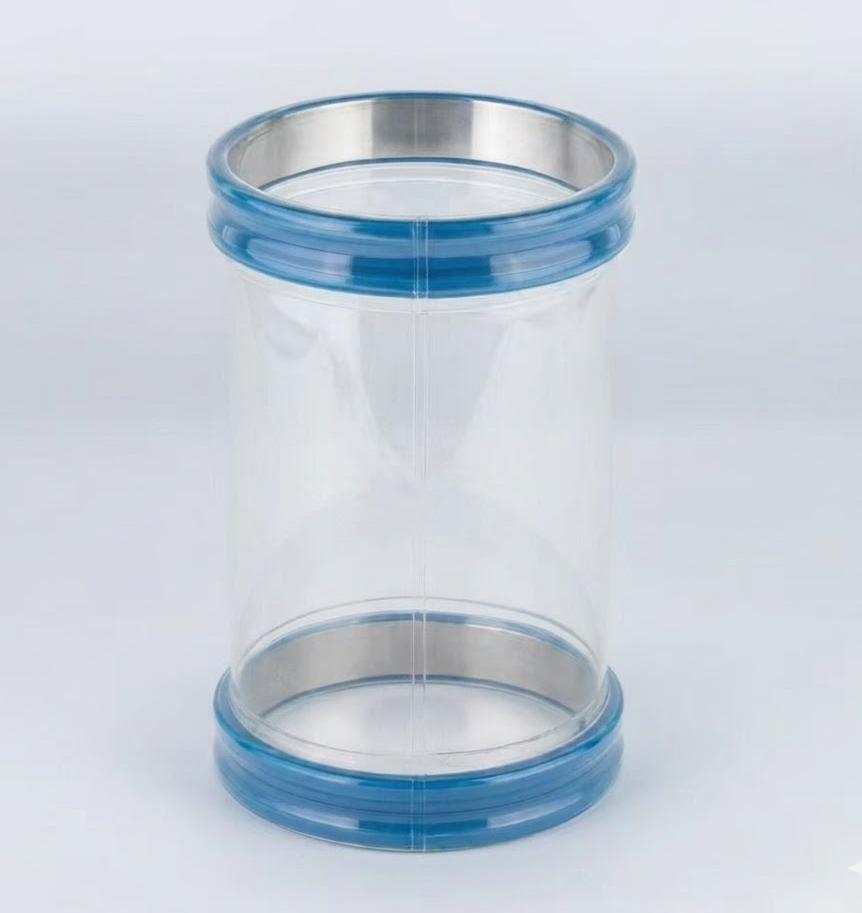
SOSHH® Sanitary Tri-Clamp Flexible PU Connectors resolve hygiene vulnerabilities through precision structural design:
- Molded Integrated Gasket Lips: Precision-formed elastomeric cuffs fit directly into standard sanitary ferrule profiles (BS 4825, DIN 32676, ISO 2852), eliminating separate loose rubber gaskets that fall into product streams.
- 100% Crevice-Free Internal Bore: A smooth, step-free transition prevents powder hang-up and ensures self-draining performance during ambient CIP washdown cycles.
- Rapid Tool-Free Assembly: Ergonomic 30-second clamp connection reduces line changeover and cleaning downtime by up to 80% compared to bolted flange connections.
- Permanent Static Dissipation: Available in food-grade anti-static formulations (surface resistivity 10^6 to 10^9 Ohm) to prevent combustible dust ignition in ATEX Zone 20 organic flour, starch, and sugar processing areas without carbon black leaching.
5. Frequently Asked Questions
Q1: Can SOSHH supply an official Declaration of Conformity (DoC) with our order?
A: Yes. Every production batch of SOSHH food-grade polyether-TPU sleeves is accompanied by an authorized Declaration of Conformity (DoC) detailing full FDA 21 CFR § 177.2600 and EU 10/2011 compliance for your quality assurance audit files.
Q2: Is polyether TPU safe for infant formula and pharmaceutical APIs?
A: Yes. Our virgin polyether TPU contains zero phthalates, heavy metals, or animal derivatives (BSE/TSE free), making it fully compliant with direct dry food contact and pharmaceutical containment standards.
Q3: What are the temperature limits for CIP cleaning and steam sterilization?
A: Polyether TPU operates continuously from -20°C to +90°C and withstands aqueous CIP cleaning solutions (mild acid/alkali wash) up to +80°C. For continuous live steam sterilization (SIP at 121°C to 135°C), we recommend SOSHH® CNC Machined PTFE Bellows.
Q4: How does polyether TPU compare to silicone in food powder screening?
A: Polyether TPU provides more than triple the tear strength (>110 N/mm vs. 35 N/mm) and superior abrasion resistance (<25 mm³ loss per DIN 53516), lasting 6 to 12 months under continuous high-frequency vibration where silicone sleeves tear within weeks.
Technical Support & Compliance Downloads
Upgrade your sanitary food, dairy, and pharmaceutical powder lines with certified flexible connections:
👉 View Product Details: Sanitary Tri-Clamp Flexible PU Connectors
👉 Browse All Certified Food-Grade Sleeves
📄 Download Official Declaration of Conformity Template (PDF)
✉️ Contact our engineering team at amin@soshh.com for compliance documentation, migration test summaries, and 3D CAD models within 24 hours.
Related Posts