


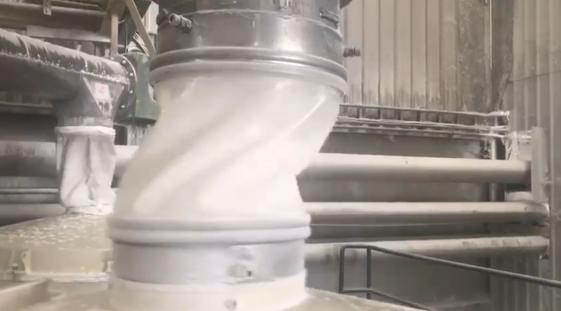
How to Measure & Size a Snap-In Flexible Connector: Dynamic Movement and Installation Guide
Learn how to measure and size snap-in flexible connectors for vibrating powder equipment. Verify metal spigot dimensions, installation gap, movement envelope, and dynamic length requirements to avoid sizing errors and premature failure.
READ MORE...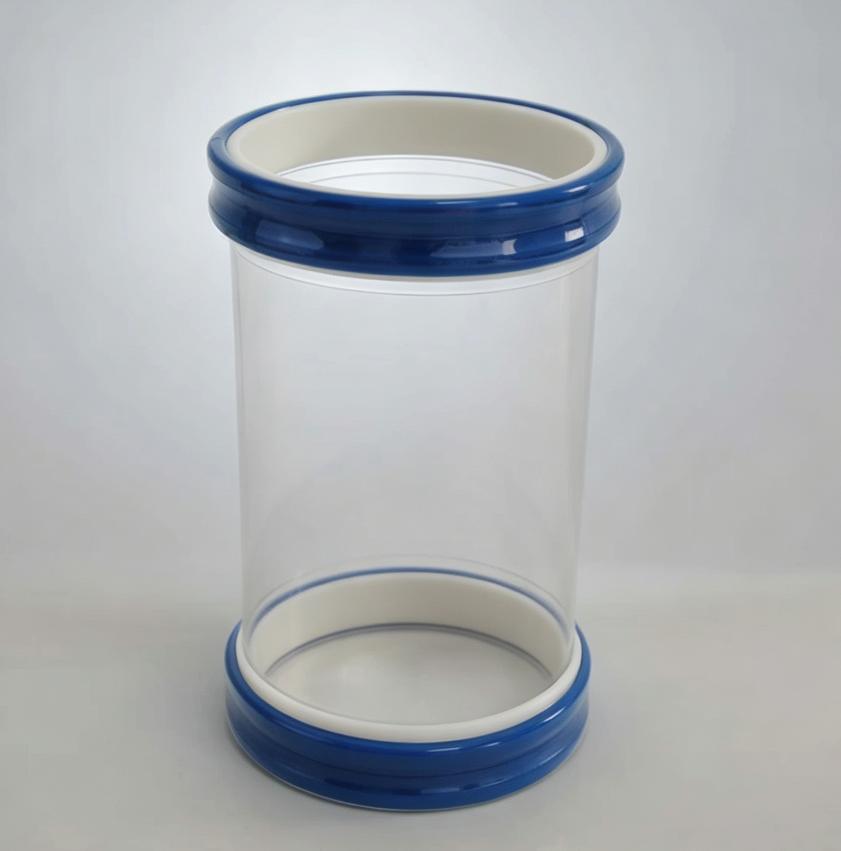
Static Control in Powder Flexible Connectors: A Four-Level Engineering Framework for Combustible Dust Applications
Static control in powder handling systems requires more than an antistatic material specification. This engineering guide explains the four-level electrostatic control framework covering static dissipative TPU material, finished connector continuity, equipment bonding, and plant grounding for safe combustible dust processing.
READ MORE...
Polyether vs. Polyester TPU: Which TPU Material Is Better for Food, Pharma, and Powder Handling Applications?
Polyether TPU and polyester TPU are both used in industrial flexible connectors, but they perform differently in moisture, temperature, abrasion, and cleaning environments. Learn why polyether TPU is the preferred choice for food processing, pharmaceutical powder handling, fermentation, and CIP cleaning applications, while polyester TPU is mainly suitable for dry abrasive service.
READ MORE...
How to Choose an Abrasion-Resistant Flexible Connector
Choosing an abrasion-resistant flexible connector requires more than selecting a thicker wall. Engineers should consider the conveyed material, abrasion level, equipment movement, installation gap, temperature, pressure or vacuum, and connection geometry. This guide explains how to select TPU flexible connectors for abrasive powder handling and when a heavier-duty construction such as SOSHH PU-15 may be appropriate.
READ MORE...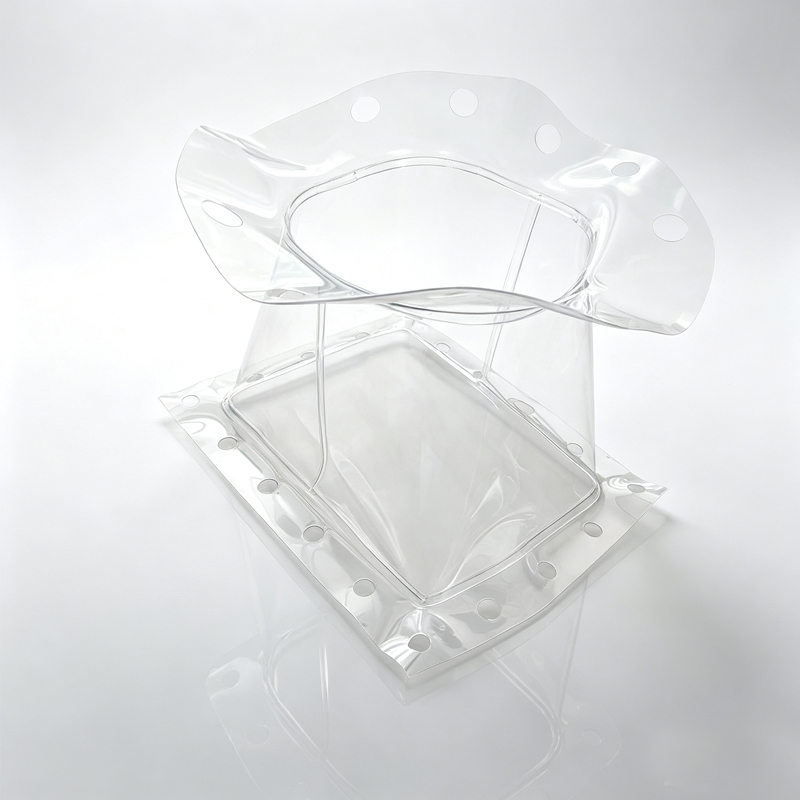
Food-Grade Flexible Connectors: FDA 21 CFR 177.2600 Compliance, Explained
Why flexible connectors are compliant, not certified, under FDA 21 CFR 177.2600. Engineering guide to extractives migration testing and audit-proof documentation.
READ MORE...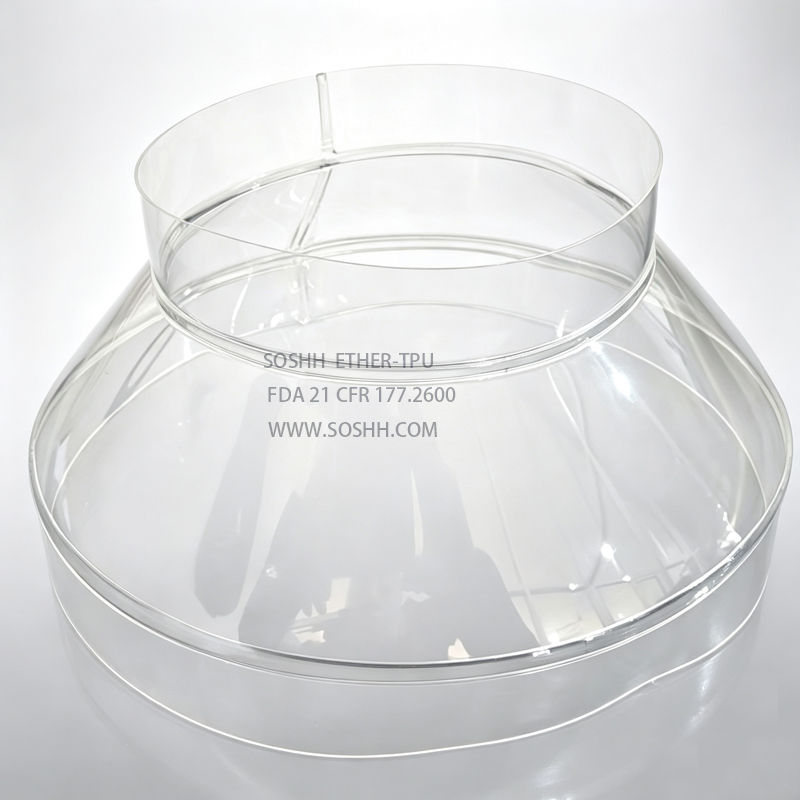
Flexible Connectors for Powder Packaging & Filling Machines: Eliminating Parasitic Force and Line Downtime
Technical guide on flexible connectors for powder packaging, auger fillers, and weigh hoppers. Discover how LightTC sleeves eliminate parasitic tare force on load cells, ensure dust-tight snap-in sealing, and cut batch changeover downtime.
READ MORE...
SOSHH PU-15 & PU-20 Heavy-Duty Flexible Connectors: Monolithic Extruded TPU for High-Abrasion Processing
Upgrade your powder handling system with SOSHH PU-15 heavy-duty flexible connectors. Engineered with 1.5mm monolithic extruded polyether TPU for extreme abrasion resistance, zero delamination, and 100% metal-detector safe compliance.
READ MORE...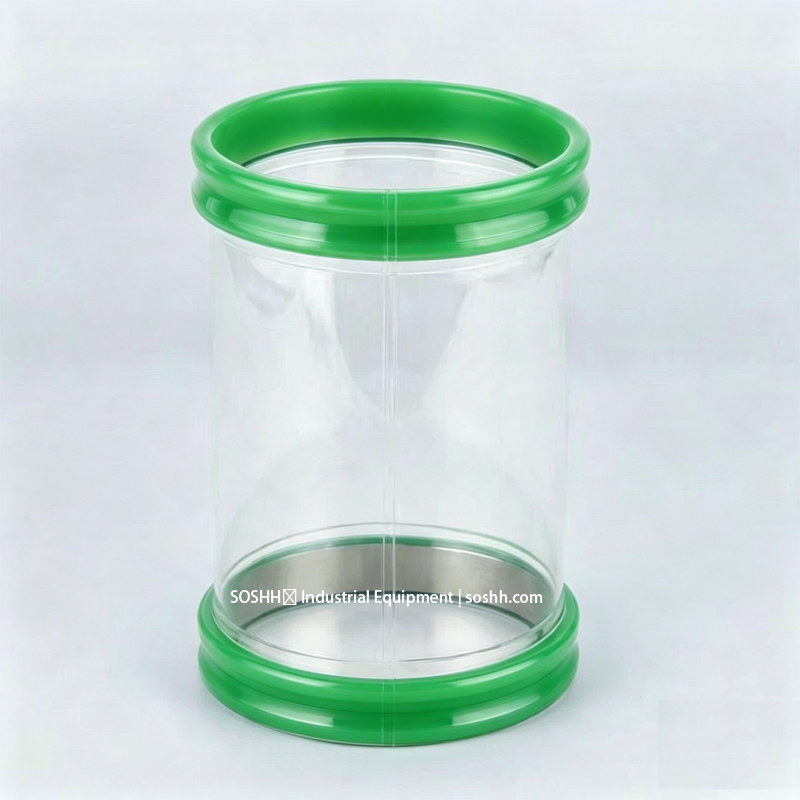
Drop-In Alternative Guide for Snap-In Flexible Sleeves: Solving Custom Lengths, Vacuum Collapse & Extreme Temperature Gaps
100% drop-in snap-in flexible sleeves for standard spigots. Discover zero-tooling custom lengths, -1000 mbar anti-collapse rings, and +260°C CNC PTFE bellows.
READ MORE...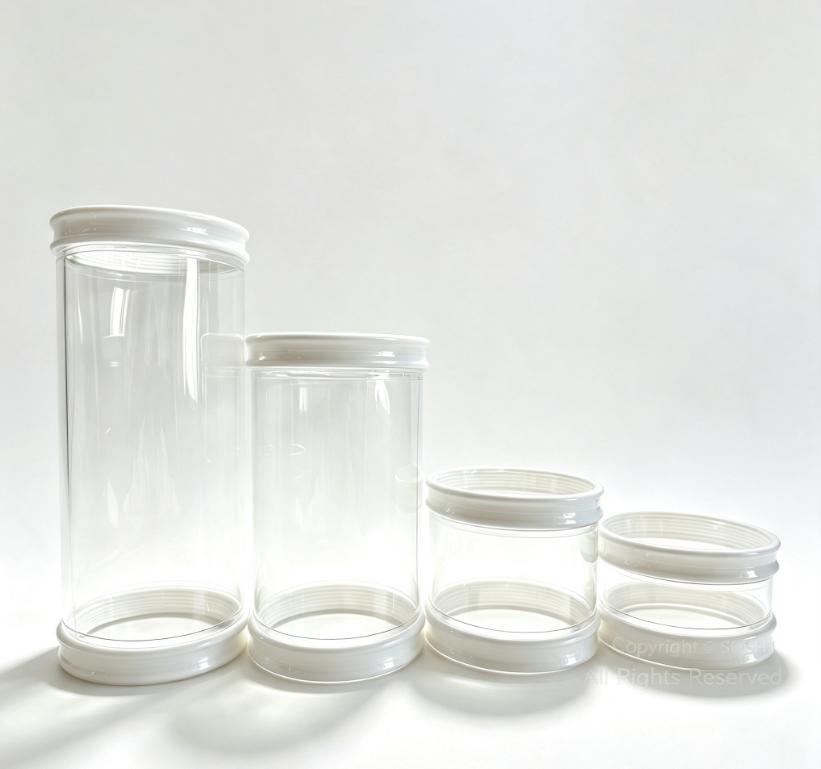
FDA Polyurethane Compliance | Food-Contact TPU Sleeves (21 CFR 177.2600, EU 10/2011) | SOSHH
Is polyurethane food-contact safe? Yes — polyether TPU meets FDA 21 CFR 177.2600 extractives limits and EU 10/2011. Operating range -30°C to +85°C, CIP to +85°C. Compliance guide for powder-handling sleeves.
READ MORE...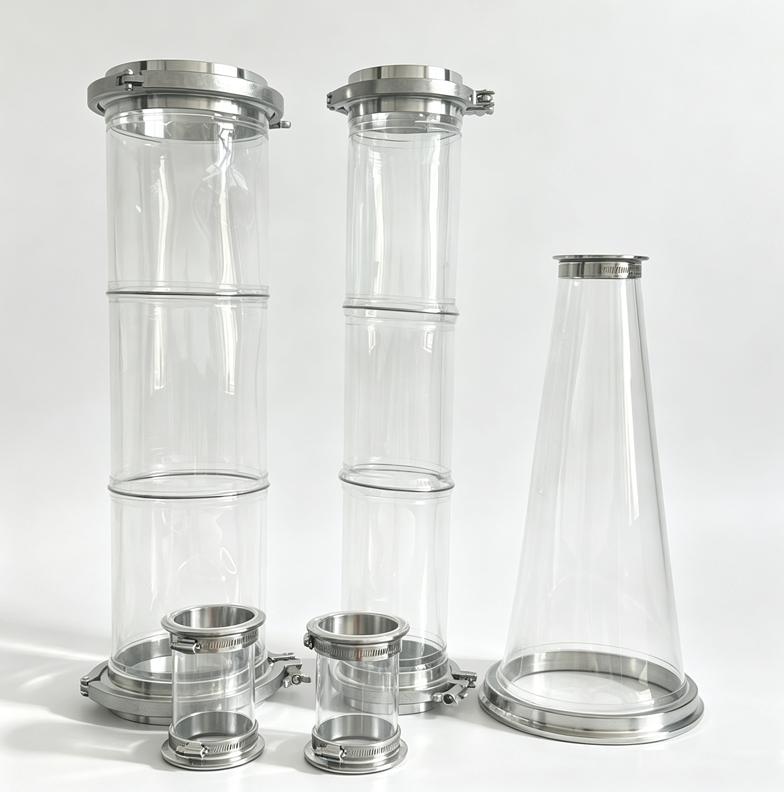
FDA Polyurethane Compliance | Food-Contact TPU Sleeves (21 CFR 177.2600, EU 10/2011) | SOSHH
Is polyurethane food-contact safe? Yes — polyether TPU meets FDA 21 CFR 177.2600 extractives limits and EU 10/2011. Operating range -30°C to +85°C, CIP to +85°C. Compliance guide for powder-handling sleeves.
READ MORE...
Why Standard Snap-In Fittings Fail on Pipes Under 100mm & Short Clearances | SOSHH®
Meta Description: Explore why internal snap-band sleeves fail on pipe bores under 100mm (4 in) and vertical headroom below 80mm, and how SOSHH custom TPU transitions maintain dust-tight containment.
READ MORE...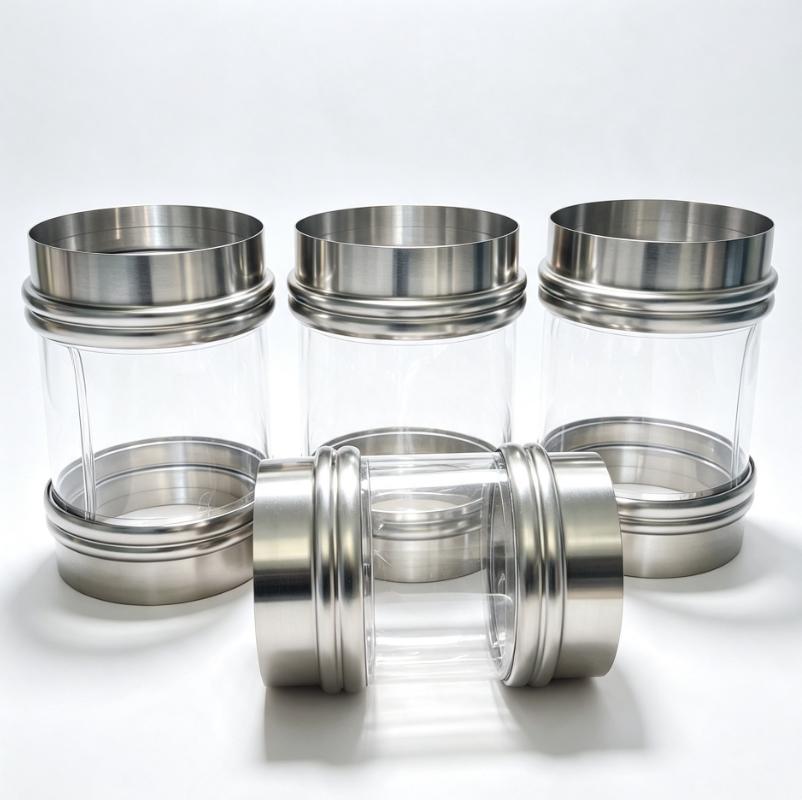
Improving Pipeline System Performance: 6 Benefits of Polyurethane Flexible Joints
In industrial pipeline systems, the choice of connectors and joints directly impacts system performance, longevity, and operating costs. As industrial demands evolve, polyurethane flexible joints are increasingly becoming the ideal solution for pipeline systems due to their outstanding performance. Not only do they enhance system efficiency, but they also extend the lifespan of equipment. In this blog, we will discuss the six key benefits of polyurethane flexible joints and how they contribute to improving pipeline system performance.
READ MORE...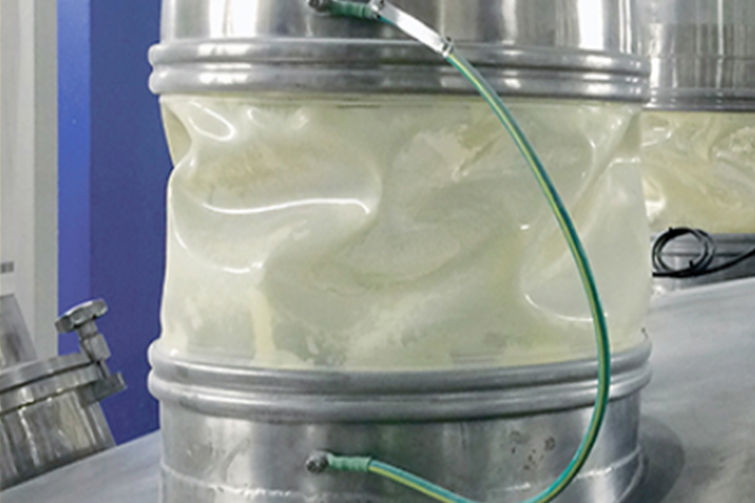
Improving Pipeline System Performance: 6 Benefits of Polyurethane Flexible Joints
Polyurethane flexible joints earn their place in powder and bulk-material pipelines on six measurable fronts: abrasion resistance, vibration decoupling, flex-fatigue life, tool-free service, adaptability and seal integrity. SOSHH® joints are built from 100% polyether TPU with HF-welded cuffs — 40 MPa tensile strength, ~600% elongation, Shore A 90, 39.0 mg DIN abrasion — snapped tool-free over stainless spigots to form a 360° crevice-free seal. Standard diameters Ø102–Ø804 mm, lengths 100–1000 mm; food grades are FDA 21 CFR 177.2600 compliant and anti-static grades (10⁶–10⁹ Ω) meet ATEX Zones 20/21/22. For heat or chemical duty, SOSHH grades PUHT (−20 to +150 °C) and pure PTFE (−40 to +300 °C, pH 0–14).
READ MORE...