



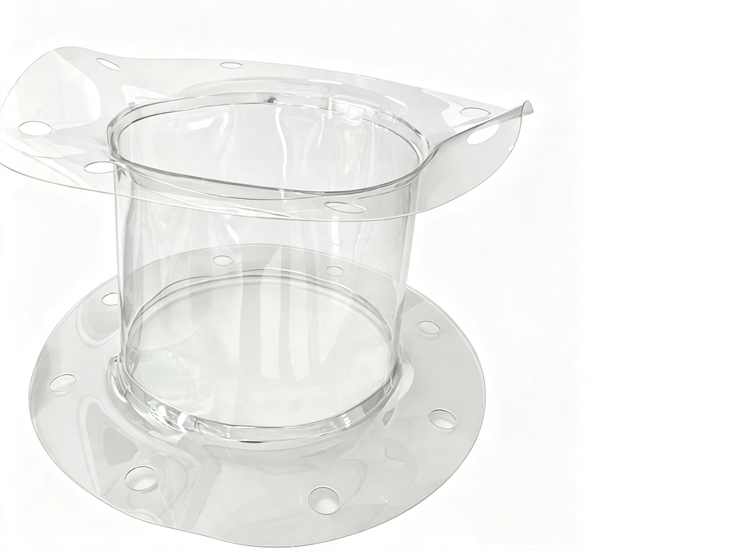
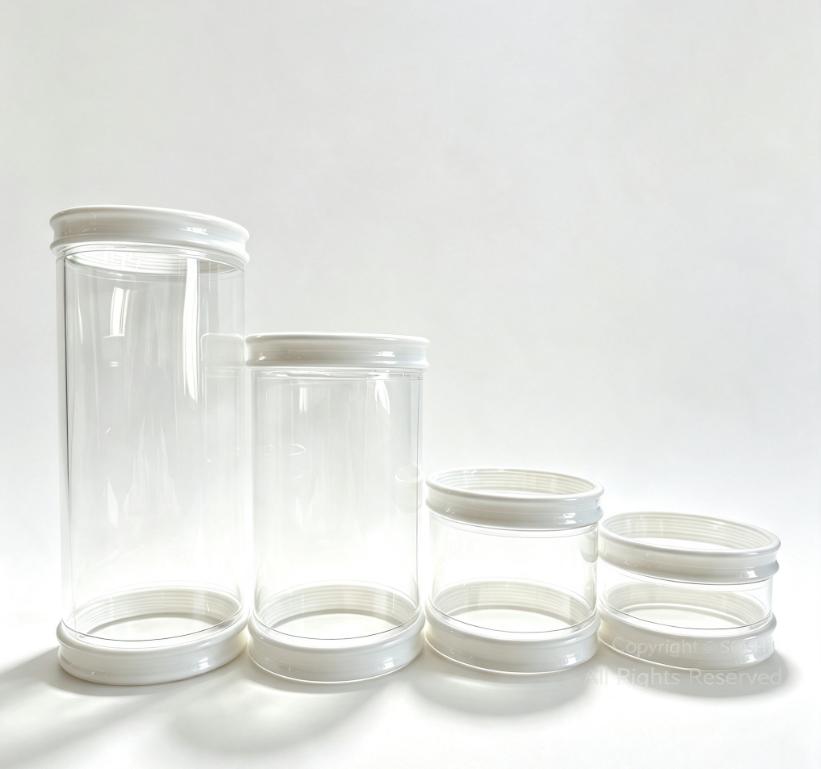
Is Polyurethane Food-Contact Safe? The Complete Guide to FDA 21 CFR 177.2600 & EU 10/2011 Compliance for Powder Sleeves
Is Polyurethane Food-Contact Safe? The Complete Guide to FDA 21 CFR 177.2600 & EU 10/2011 Compliance for Powder Sleeves
⚡ Executive Summary for Quality Assurance & Plant Sanitation Managers
- 100% Unplasticized Virgin Polyether-TPU: Formulated without liquid phthalate plasticizers (0.0% DEHP, DBP, BBP, DINP), bisphenols (BPA-Free), or heavy-metal catalysts, completely eliminating toxic chemical migration risks.
- Dual FDA & European Union Compliance: Fully compliant with US FDA 21 CFR 177.2600 (repeated use rubber articles) and EU Regulation 10/2011 & EC 1935/2004 (overall and specific migration limits in aqueous, acidic, alcoholic, and fatty food simulants).
- Zero Hydrolysis & Anti-Microbial Defense: Ether-linked polymer chains resist ambient moisture, hot water washdowns, and CIP sanitizers, preventing micro-fissuring and bacterial colonization (Listeria / Salmonella).
- Optical Transparency (>90% Light Transmittance): Enables 100% real-time visual inspection of powder flow, bridging prevention, and hygiene verification without line disassembly.
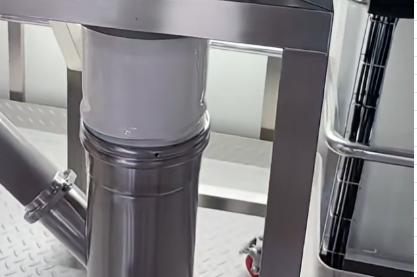
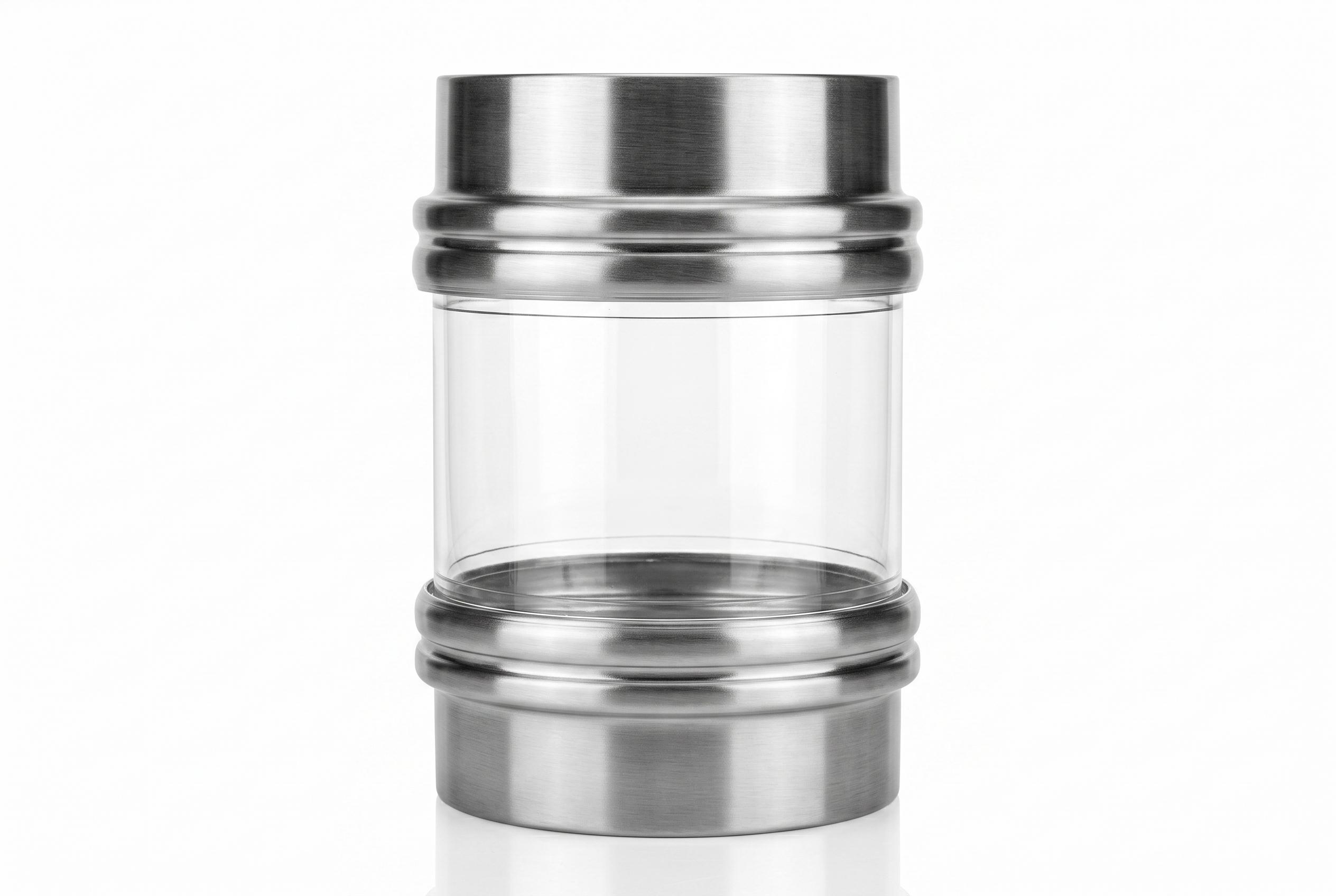
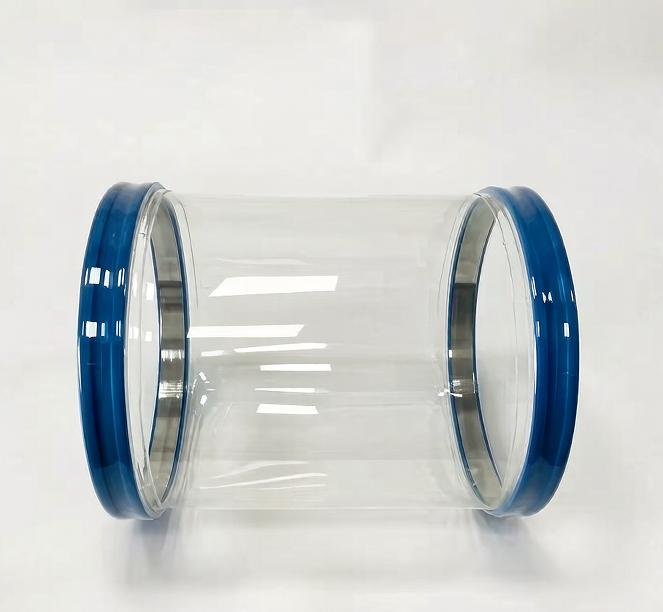
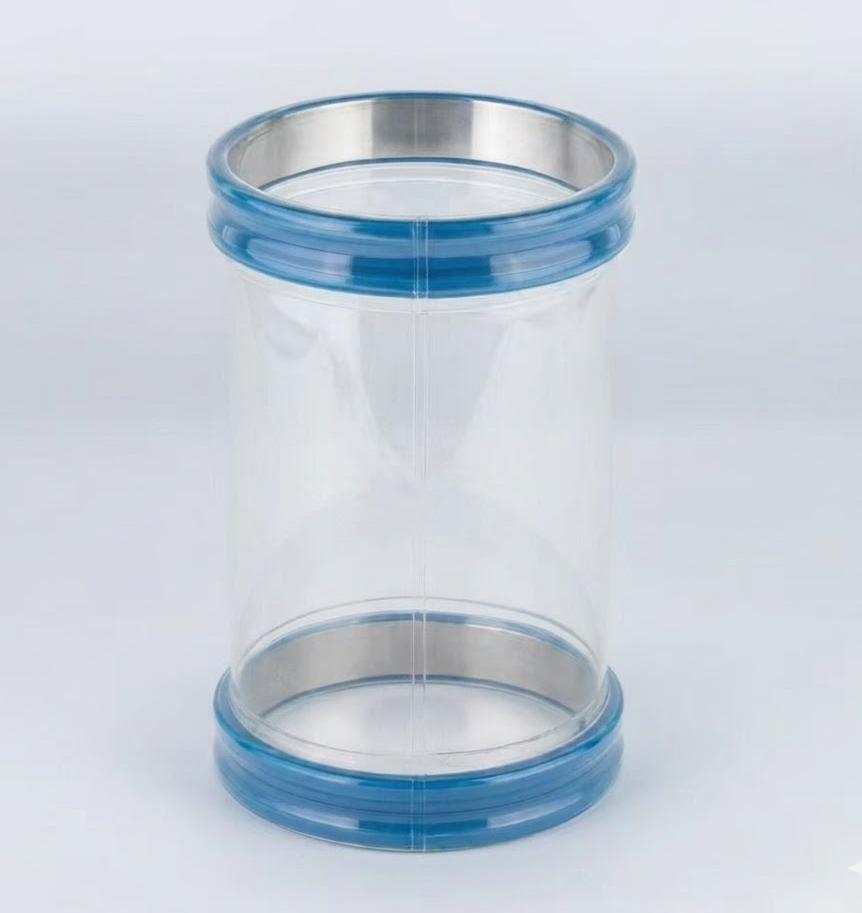
- Fig 1. SOSHH FDA-compliant transparent polyether TPU flexible sleeve on an infant nutrition blending line.
In dry food processing, dairy, infant nutrition, functional ingredients, and active pharmaceutical ingredient (API) manufacturing, flexible connectors bridge critical transfer interfaces between blenders, sifters, feeders, and packaging machinery. Because bulk solids directly scour the inner sleeve surface, regulatory auditors and quality assurance engineers rigorously scrutinize flexible sleeve materials for potential chemical migration and physical particulate contamination.
Quality assurance teams and procurement engineers frequently evaluate three critical questions:
- Is thermoplastic polyurethane (TPU) safe for direct contact with fatty, acidic, and dry foods?
- What are the technical differences between US FDA extraction criteria and EU Regulation 10/2011 overall migration testing?
- Why do low-cost polyurethane sleeves turn yellow, crack, or fail sanitary plant audits?
This technical guide provides a definitive engineering breakdown of polymer chemistry, international food-contact regulatory frameworks, migration testing limits, and sanitary connection design.
1. Polymer Chemistry: Polyether vs. Polyester TPU in Food Processing
Thermoplastic polyurethane exists in two distinct chemical families: Polyester-based TPU and Polyether-based TPU. Selecting the improper polymer base is the leading cause of premature sleeve degradation and bio-contamination in hygienic suites.
The Hydrolysis Risk of Polyester TPU
Polyester-based TPU contains ester linkages (-COO-) within its molecular backbone. When exposed to ambient air humidity, warm water washdowns, or clean-in-place (CIP) steam, these ester bonds undergo hydrolysis (water-induced chain scission):
- Micro-Fissuring: The polymer surface degrades into microscopic pits and crevices that trap moisture and powder residues.
- Microbial Proliferation: Trapped organic nutrients foster bacterial biofilms (Salmonella, Listeria monocytogenes, E. coli).
- Particulate Shedding: The embrittled polymer sheds microscopic plastic flakes directly into high-purity food streams.
The Inherent Stability of Virgin Polyether TPU
SOSHH® SF-ClearFlex™ Food-Grade Sleeves are synthesized exclusively from 100% Virgin Polyether TPU:
- Zero Hydrolyzable Bonds: Ether linkages (-C-O-C-) are chemically immune to water breakdown and enzymatic attack.
- Plasticizer-Free Flexibility: Flexibility is achieved inherently through alternating hard and soft molecular segments rather than added plasticizer oils.
- Glass-Smooth Inner Bore: Non-porous surface finish (Ra < 0.4 µm) prevents powder adhesion and simplifies CIP washdowns.
2. Regulatory Comparison Matrix: US FDA vs. European Union Standards
For international food and pharmaceutical manufacturers, flexible connectors must comply with specific testing frameworks across North American and European jurisdictions:
| Regulatory Standard | Governing Authority & Scope | Mandatory Extraction & Migration Thresholds | Testing Verification Protocol |
| US FDA 21 CFR 177.2600 | US FDA (Rubber & Elastomeric Articles for Repeated Food Contact) | Total extractive analysis via Soxhlet reflux testing | |
| EU Regulation 10/2011 | European Commission (Plastic Materials & Articles in Contact with Food) | Simulant immersion testing (Simulants A, B, and D2) | |
| EC Regulation 1935/2004 | European Framework Regulation (General Safety & Inertness) | • Articles must not transfer constituents in quantities endangering human health or altering food organoleptic properties (taste/odor) | Organoleptic and toxicological migration screening |
| EC Regulation 2023/2006 | European Commission (Good Manufacturing Practice - GMP) | • Full production batch traceability from raw resin sourcing to finished automated cutting and welding | Documented Quality Management System (ISO 9001:2015) |
| USP Class VI | United States Pharmacopeia (Biological Reactivity Standards) | • Pass in-vivo systemic injection, intracutaneous toxicity, and implantation testing without cytotoxic reaction | Biocompatibility testing for pharmaceutical API chutes |
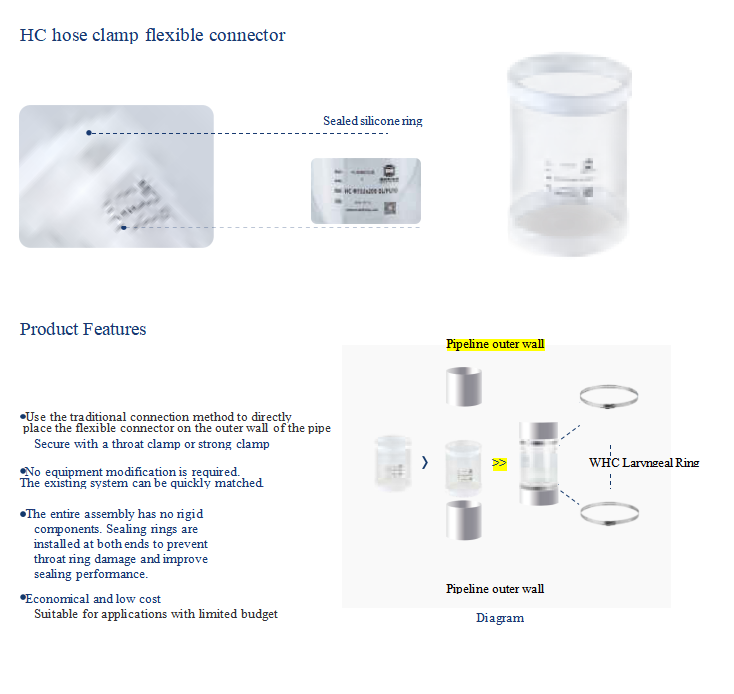
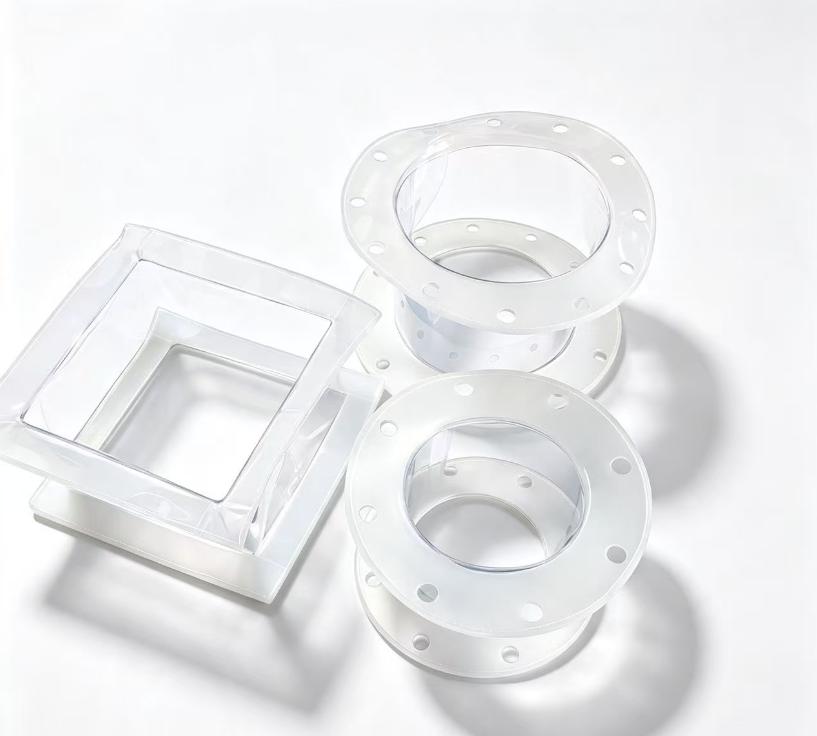
- Fig 2. SOSHH white sanitary snap-in cuff with permanent laser-etched batch traceability for hygienic audit compliance.
3. Material Benchmark: Food-Grade PVC vs. Silicone vs. SOSHH® Polyether TPU
| Performance Parameter | Flexible Food-Grade PVC | Sanitary Silicone Rubber | SOSHH® Virgin Polyether TPU | Impact on Food Processing Lines |
|---|---|---|---|---|
| Plasticizers & Phthalates | High Risk (Requires DEHP/DINP) | None | 0.0% (100% Plasticizer-Free) | Zero chemical leaching into dry powder or fat |
| Tear Strength (Die C) | 30 to 40 N/mm | 25 to 35 N/mm (Very Low) | 110+ N/mm (Exceptional) | 3x higher resistance to dynamic tearing on sifters |
| Abrasion Resistance | Poor (Rapid wall wear) | Very Poor (Sheds rubber dust) | 30 mg DIN Loss (Top Tier) | Resists abrasive scouring from sugar, salt, and grain |
| Optical Clarity | Yellows rapidly over time | Translucent cloudy white | Crystal-Clear (>90% Clarity) | Visual inspection of bridging and foreign contaminants |
| Hydrolysis & CIP Resistance | Degrades in hot detergents | Degrades in strong alkalis | 100% Hydrolysis Proof | Impervious to frequent washdowns and warm steam |
| Particulate Shedding Risk | High (Embrittled micro-flakes) | High (Mechanical tear flakes) | Zero Particulate Shedding | Eliminates physical contamination in packaging lines |
4. Laboratory Migration Test Results: SOSHH® Polyether TPU
Independent third-party laboratory testing (SGS / TÜV) verifies that SOSHH polyether-TPU performs significantly below the maximum allowable regulatory migration limits:
| Food Simulant Category | Simulant Liquid & Test Condition | Regulatory Limit (EU 10/2011) | SOSHH® Test Result | Compliance Status |
|---|---|---|---|---|
| Aqueous / General Foods (Simulant A) | 10% Ethanol (v/v) | 2 hrs at 70°C | < 10.0 mg/dm² | < 1.0 mg/dm² | PASS (Exceeds Standard) |
| Acidic Foods / Juices (Simulant B) | 3% Acetic Acid (w/v) | 2 hrs at 70°C | < 10.0 mg/dm² | < 1.5 mg/dm² | PASS (Exceeds Standard) |
| Fatty / Oily Foods (Simulant D2) | Rectified Olive Oil / Isooctane | 2 hrs at 70°C | < 10.0 mg/dm² | < 2.0 mg/dm² | PASS (Exceeds Standard) |
| Dry Bulk Solids (Dry Foods) | Modified Polyphenylene Oxide (Tenax) | 2 hrs at 70°C | < 10.0 mg/dm² | < 0.5 mg/dm² | PASS (Exceeds Standard) |
| Heavy Metals Extraction (Pb, Cd, As, Hg) | ICP-OES Acid Digestion | Below Detection Limit | Not Detected (ND) | PASS (Exceeds Standard) |
| Primary Aromatic Amines (PAA) | Photometric Analysis | < 0.01 mg/kg | Not Detected (ND) | PASS (Exceeds Standard) |
SGS and TUV migration test report certificate for FDA 21 CFR 177.2600 and EU 10 2011 compliance
Third-party accredited laboratory migration test reports certifying total compliance with FDA and EU food standards.

5. Application Matrix: Matching Sanitary Sleeves to Powder Media
| Processing Sector | Media Characteristics | Recommended SOSHH® Sleeve Configuration | Engineering Benefit |
|---|---|---|---|
| Infant Formula & Dairy | High-purity milk powder, whey, lactose | SOSHH® SF-ClearFlex™ 1.0 mm (White Cuff) | 100% plasticizer-free, tool-free 30-sec sanitary changeout |
| Pharmaceutical APIs | Fine powders, active chemical compounds | SOSHH® SF-WeighFlex™ Weighing Bellows | Zero reaction force preserves dosing precision within ±0.1% |
| Combustible Food Powders | Starch, flour, sugar, cocoa (ATEX Zones) | SOSHH® SF-StatFlex™ Anti-Static TPU | Permanent surface resistivity (10⁶ to 10⁹ Ω) prevents dust explosion |
| CIP / SIP Washdown Lines | Wet sanitization, nitric acid/caustic wash | Sanitary Tri-Clamp Welded Connectors | Crevice-free 316L stainless steel ferrules withstand CIP washdown |
| High-Temp Roasting / Drying | Hot grains, coffee beans (>120°C) | Heavy-Duty CNC Machined PTFE Bellows | FDA 21 CFR 177.1550 compliant up to +260°C continuous |
6. Technical Specifications: Food-Grade Polyether TPU Data Sheet
| Property Category | Engineering Parameter & Standard | Verified Value |
|---|---|---|
| Polymer Chemistry | 100% Virgin High-Molecular Polyether-TPU | Ether-linked copolymer |
| Plasticizer / Additive Content | Phthalates (DEHP, DBP, BBP), BPA, Latex, Animal Byproducts | 0.0% (Completely Free) |
| Hardness (Shore A) | ISO 868 / ASTM D2240 | 85A to 90A |
| Tensile Strength at Break | ISO 527 / ASTM D412 | > 45 MPa |
| Ultimate Elongation | ISO 527 / ASTM D412 | > 700% |
| Tear Strength (Die C) | ISO 34-1 / ASTM D624 | > 110 N/mm |
| DIN Abrasion Loss | ISO 4649 | < 30 mg |
| Operating Temperature Range | Continuous Processing / Intermittent CIP | -25°C to +85°C (Peaks to +100°C) |
| Sanitary Compliance Standards | FDA, EU, EC, 3-A Sanitary, USP | FDA 21 CFR 177.2600, EU 10/2011, EC 1935/2004, USP Class VI |
7. Frequently Asked Questions (FAQ)
Q1: What is a Declaration of Compliance (DoC) and why is it mandatory for audits?
A1: A Declaration of Compliance (DoC) is a legally binding document mandated under EC 1935/2004 and EU 10/2011. It confirms that the flexible sleeve material complies with all applicable food contact directives, details the conditions of safe contact (temperature, duration, food types), and provides traceable proof of independent laboratory migration testing.
Q2: How does SOSHH guarantee lot-to-lot traceability for pharmaceutical QA audits?
A2: Every individual SOSHH food-grade sleeve features a permanent, hygienic laser-etched batch code displaying the production date, polymer lot number, and regulatory standard. This enables full backward traceability to raw resin certificates without using ink, labels, or adhesives that could contaminate food.
Q3: What is the operational difference between Blue and White Snap-In rings?
A3: Both feature identical tool-free spring-steel sealing mechanics. Blue Snap-In rings are the global standard for industrial powder handling, while White Snap-In rings are molded from specialized virgin food-contact elastomers engineered specifically for infant formula, dairy, and pharmaceutical cleanroom suites.
Q4: Can polyether-TPU sleeves be used with alcohol- or oil-containing food ingredients?
A4: Yes. SOSHH polyether-TPU has been fully tested against Food Simulant A (10% Ethanol) and Food Simulant D2 (Vegetable Oil / Isooctane) under EU 10/2011 migration protocols, proving overall migration values far below the regulatory limit of 10 mg/dm².
8. Quality Assurance & E-E-A-T Compliance Documentation
Every SOSHH sanitary flexible connector is backed by comprehensive regulatory and quality verification dossiers:
- FDA 21 CFR 177.2600 Declaration of Compliance (DoC) for dry, aqueous, and fatty food contact.
- EU Regulation 10/2011 & EC 1935/2004 Overall and Specific Migration Reports (SGS / TÜV certified).
- EC 2023/2006 (GMP) Compliant Production Workflows ensuring strictly controlled manufacturing hygiene.
- USP Class VI Biological Reactivity Certification ensuring zero cytotoxicity for pharmaceutical API processing.
- Permanent Laser-Etched Batch Traceability Codes on every sleeve for instant regulatory verification.
- EN 10204 3.1 Material Test Certificates (MTC) available upon request.
9. Related Sanitary Powder Handling Solutions
SOSHH® SF-ClearFlex™ Transparent TPU Snap-In Sleeves – Direct product page for food-grade tool-free snap-in connectors.
SOSHH® SF-WeighFlex™ Ultra-Flexible Weighing Bellows – Food-grade zero-force sleeves for loss-in-weight feeders and dosing hoppers.
SOSHH® SF-StatFlex™ Permanent Anti-Static TPU Connectors – ATEX Zone 20/21 static-dissipative sleeves for combustible food powders (10⁶ to 10⁹ Ω).
Square & Rectangular Flexible Connectors (FLR Series) – Custom square-to-round food-grade transition sleeves.
Heavy-Duty CNC Machined PTFE Corrugated Bellows – High-temperature (+260°C) and universal chemical-resistant PTFE expansion joints.
10. Request Your Food-Grade Sample Kit & Compliance Dossier
Upgrade your powder processing lines to certified, plasticizer-free virgin polyether TPU. Contact our technical engineering team for complete regulatory audit documentation, free material test samples, and 24-hour CAD drawings.
- Free Food-Grade Sample Kits available for qualified food, dairy, and pharma facilities
- Complete Compliance Dossier (DoC + SGS/TÜV Migration Reports) provided with every formal quote
- Zero Tooling Fees on custom diameters, lengths, and sanitary transitions
- Direct Factory Supply with reliable DDP international shipping to your plant site
- 📧 Technical RFQ & Compliance Submittals: amin@soshh.com
- 🌐 Official Product Hub: www.soshh.com
- 📱 WhatsApp / Direct Engineering Support: +86 13567045023
Tags:
- FDA Approved PU Connectors
- Food Grade Polyurethane Sleeves
- FDA compliant flexible sleeves
- BFM fitting alternative
- FDA compliant snap-fit connector
- FDA Food Grade PU Sleeves
- FDA Compliant Powder Sleeve
- FDA food grade powder chutes
- FDA Compliant PU Connector
- BFM Equivalent Distributor
- Engineering Guides
- Food Grade TPU Sleeve
- FDA 21 CFR 177.2600
- EU 10/2011 Migration Test
- Declaration of Conformity DoC
Related Posts